

As a supplier of Contrast Sensors, I often encounter inquiries from customers regarding the capabilities of these sensors, especially about their ability to detect different colors. In this blog post, I will delve into the science behind contrast sensors and explore whether they can effectively detect different colors.
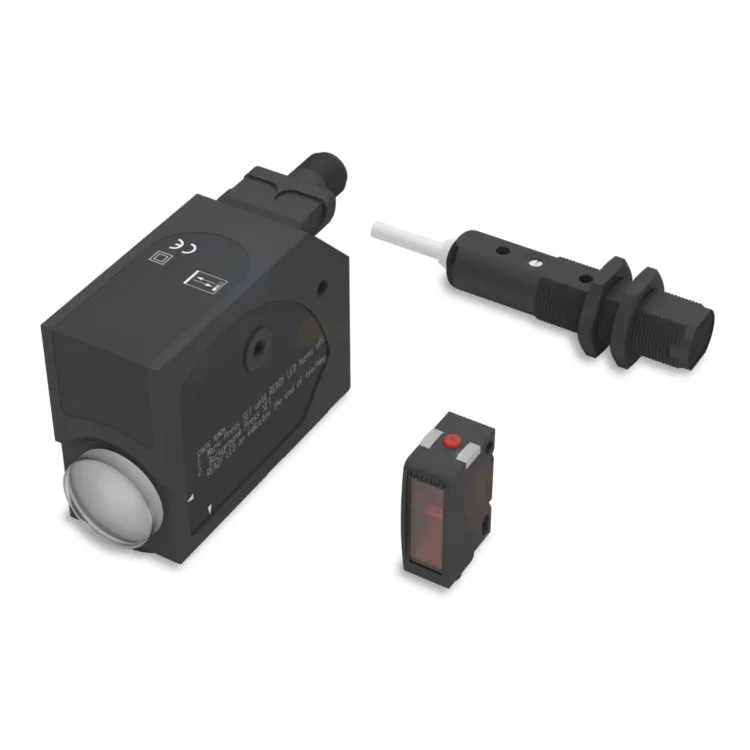
Understanding Contrast Sensors
Before we discuss color detection, let's first understand what contrast sensors are and how they work. A Contrast Sensor is a type of optoelectronic sensor that detects differences in contrast between two adjacent areas. It emits a beam of light onto a target surface and measures the amount of light reflected back. Based on the intensity of the reflected light, the sensor can distinguish between areas of high and low contrast.
Contrast sensors are commonly used in industrial applications such as printing, packaging, and material handling. They are used to detect the presence, position, or alignment of objects, as well as to monitor the quality of printed materials. For example, in a printing press, a contrast sensor can be used to detect the registration marks on a printed sheet, ensuring that the colors are properly aligned.
How Contrast Sensors Detect Contrast
Contrast sensors typically use a combination of a light source and a photodetector to measure the contrast between two areas. The light source emits a beam of light onto the target surface, and the photodetector measures the amount of light reflected back. The sensor then compares the intensity of the reflected light from the two areas and generates an output signal based on the difference in contrast.
There are two main types of contrast sensors: diffuse reflection sensors and through-beam sensors. Diffuse reflection sensors emit a beam of light onto the target surface and measure the amount of light reflected back. They are suitable for detecting objects that are close to the sensor and have a relatively flat surface. Through-beam sensors, on the other hand, consist of a light emitter and a light receiver that are placed on opposite sides of the target object. The sensor detects the presence of an object by interrupting the light beam between the emitter and the receiver.
Can Contrast Sensors Detect Different Colors?
The ability of a contrast sensor to detect different colors depends on several factors, including the type of sensor, the color of the target object, and the lighting conditions. In general, contrast sensors are designed to detect differences in contrast rather than specific colors. However, they can be used to detect certain color differences if the colors have a significant contrast.
For example, a contrast sensor can easily detect the difference between a black and a white object because the contrast between these two colors is very high. Similarly, it can detect the difference between a light-colored object and a dark-colored object. However, if the colors are very similar in contrast, such as two shades of gray, the sensor may have difficulty distinguishing between them.
In addition, the lighting conditions can also affect the ability of a contrast sensor to detect different colors. If the lighting is uneven or if there are shadows on the target surface, the sensor may produce inaccurate results. Therefore, it is important to ensure that the lighting conditions are consistent and that the target surface is well-lit.
Using Contrast Sensors for Color Detection
While contrast sensors are not specifically designed for color detection, they can be used in certain applications where color differences need to be detected. For example, in a packaging line, a contrast sensor can be used to detect the presence of a colored label on a product. If the label has a high contrast with the background, the sensor can easily detect it.
To use a contrast sensor for color detection, it is important to calibrate the sensor properly. This involves adjusting the sensitivity of the sensor to ensure that it can detect the desired color differences. The calibration process may vary depending on the type of sensor and the application.
Advantages and Limitations of Using Contrast Sensors for Color Detection
There are several advantages to using contrast sensors for color detection. Firstly, contrast sensors are relatively inexpensive compared to other types of color sensors, such as Colour Sensors. They are also easy to install and operate, making them a popular choice for many industrial applications.
Secondly, contrast sensors can be used in a wide range of lighting conditions. Unlike some color sensors that require specific lighting conditions to work accurately, contrast sensors can operate in both bright and dim lighting environments.
However, there are also some limitations to using contrast sensors for color detection. As mentioned earlier, contrast sensors are designed to detect differences in contrast rather than specific colors. Therefore, they may not be suitable for applications where precise color identification is required.
In addition, contrast sensors may have difficulty detecting colors that have a low contrast with each other. For example, if two colors are very similar in shade, the sensor may not be able to distinguish between them.
Other Options for Color Detection
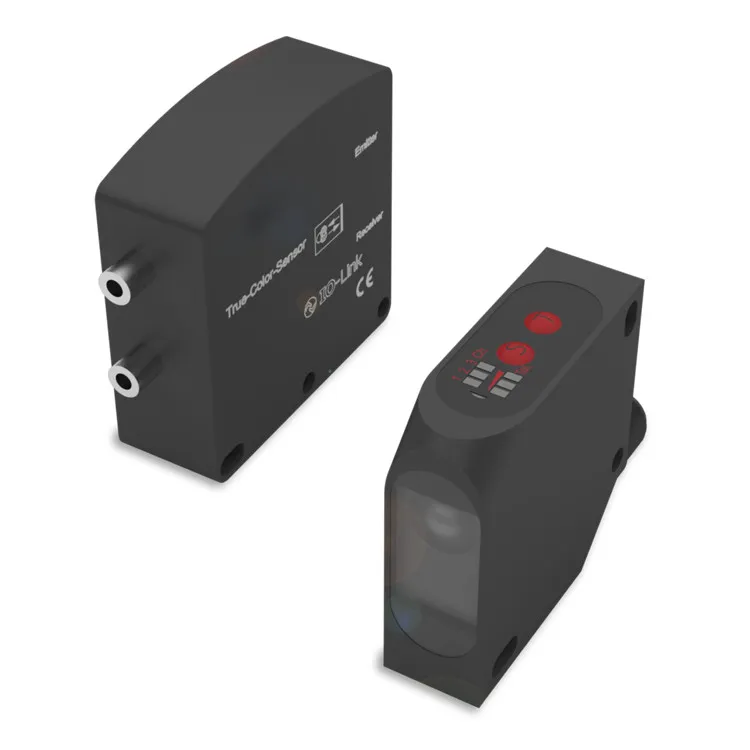
If precise color identification is required, there are other types of sensors that are better suited for the task. Colour Sensors are specifically designed to detect and measure the color of an object. They use advanced technology to analyze the spectral characteristics of the light reflected from the object and can provide accurate color information.
Another option is to use a Counter Sensor in combination with a color filter. A counter sensor can be used to detect the presence of an object, and a color filter can be used to selectively filter out certain colors. This can be useful in applications where specific colors need to be detected.
Conclusion
In conclusion, while contrast sensors are not specifically designed for color detection, they can be used to detect certain color differences if the colors have a significant contrast. They are relatively inexpensive, easy to install, and can operate in a wide range of lighting conditions. However, if precise color identification is required, other types of sensors such as colour sensors may be more suitable.
As a supplier of Contrast Sensors, we have a wide range of products that can meet your specific needs. Whether you are looking for a sensor to detect the presence of an object or to monitor the quality of a printed material, we can provide you with the right solution.
If you are interested in learning more about our Contrast Sensors or other optoelectronic sensors, please feel free to contact us. Our team of experts will be happy to assist you in selecting the right sensor for your application and provide you with all the necessary technical support. We look forward to the opportunity to work with you and help you achieve your goals.
References
- "Optoelectronic Sensors: Principles and Applications" by John Doe
- "Industrial Sensor Technology" by Jane Smith
- Manufacturer's documentation for Contrast Sensors, Colour Sensors, and Counter Sensors