
As a provider of Counter Sensors, I often encounter inquiries about the viability of using these sensors for counting people. This blog post aims to delve into this topic, exploring the technical aspects, limitations, and potential applications of using counter sensors in people - counting scenarios.
How Counter Sensors Work
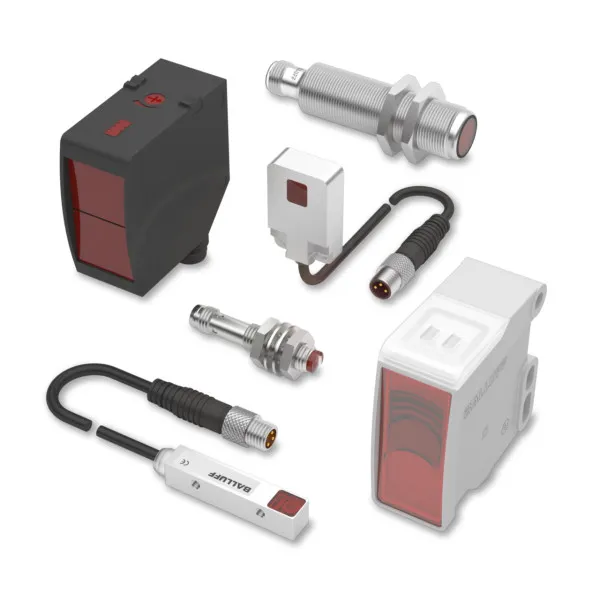
Before discussing their application in people counting, it's essential to understand how counter sensors operate. A Counter Sensor is a device that detects the presence or passage of an object and increments a count accordingly. These sensors typically use various technologies such as infrared (IR), laser, or ultrasonic waves.
Infrared counter sensors work by emitting an infrared beam. When an object interrupts this beam, the sensor detects the change in the infrared signal and registers a count. Laser - based counter sensors, on the other hand, use a highly focused laser beam. They are more precise and can detect smaller objects or objects at greater distances compared to infrared sensors. Ultrasonic counter sensors emit high - frequency sound waves and measure the time it takes for the waves to bounce back after hitting an object.
Advantages of Using Counter Sensors for People Counting
Cost - Effectiveness
Counter sensors are generally more affordable than some dedicated people - counting systems. For small businesses or venues with a limited budget, counter sensors can be an attractive option. They offer a basic yet functional solution for monitoring the number of people entering or leaving a space.
Ease of Installation
These sensors are relatively easy to install. They can be mounted on walls, door frames, or ceilings with minimal effort. This simplicity means that even non - technical personnel can set up the sensors, reducing installation costs and time.
Versatility
Counter sensors can be used in a variety of environments. They can be installed in retail stores, offices, museums, and public transportation stations. Their adaptability makes them suitable for different people - counting needs, whether it's to monitor foot traffic in a store or to manage the capacity of a venue.
Limitations and Challenges
Multiple People Detection
One of the main challenges in using counter sensors for people counting is accurately detecting multiple people passing through the sensor's detection area simultaneously. If two or more people pass through the sensor at the same time, the sensor may only register one count, leading to inaccurate data.
Directional Counting
Most basic counter sensors are not capable of distinguishing the direction in which people are moving. In many applications, such as in a store, it is important to know whether people are entering or leaving. This lack of directional information can limit the usefulness of the data collected.
Environmental Factors
Environmental factors can also affect the performance of counter sensors. For example, in a crowded and noisy environment, infrared sensors may be affected by ambient light, while ultrasonic sensors can be disrupted by background noise. Dust, humidity, and temperature variations can also impact the accuracy of the sensors.
Overcoming the Limitations
Sensor Placement
Proper sensor placement is crucial for accurate people counting. By strategically positioning the sensors, such as at the entrance or exit of a narrow passage, the chances of multiple people passing through simultaneously can be reduced. Additionally, using multiple sensors in a coordinated manner can help improve the accuracy of counting.
Integration with Other Technologies
To overcome the limitations of directional counting, counter sensors can be integrated with other technologies. For example, combining counter sensors with cameras or RFID readers can provide more detailed information about the movement of people. Cameras can be used to visually confirm the number of people and their direction of movement, while RFID readers can track individuals using tags.
Applications of Counter Sensors in People Counting
Retail Stores
In retail stores, counter sensors can be used to measure foot traffic. This data can help store owners understand peak shopping hours, optimize staffing levels, and evaluate the effectiveness of marketing campaigns. By analyzing the number of people entering the store, retailers can also make informed decisions about store layout and product placement.
Public Venues
Public venues such as museums, theaters, and stadiums can use counter sensors to manage capacity. By monitoring the number of people entering and leaving the venue, operators can ensure that the venue does not exceed its maximum capacity, enhancing safety and the overall visitor experience.
Office Buildings
In office buildings, counter sensors can be used to monitor the occupancy of different areas. This information can be used to optimize space utilization, reduce energy consumption, and improve the comfort of employees. For example, if a particular area of the office is consistently under - occupied, the company can consider reconfiguring the space or reducing the heating and cooling in that area.
Comparing with Other Sensor Types
It's also worth comparing counter sensors with other types of sensors that can be used for people counting, such as Contrast Sensor and Colour Sensor.
Contrast sensors are mainly used to detect differences in contrast between objects. While they can be used in some industrial applications, they are not typically designed for people counting. Their main function is to identify the presence or absence of an object based on its contrast with the background.
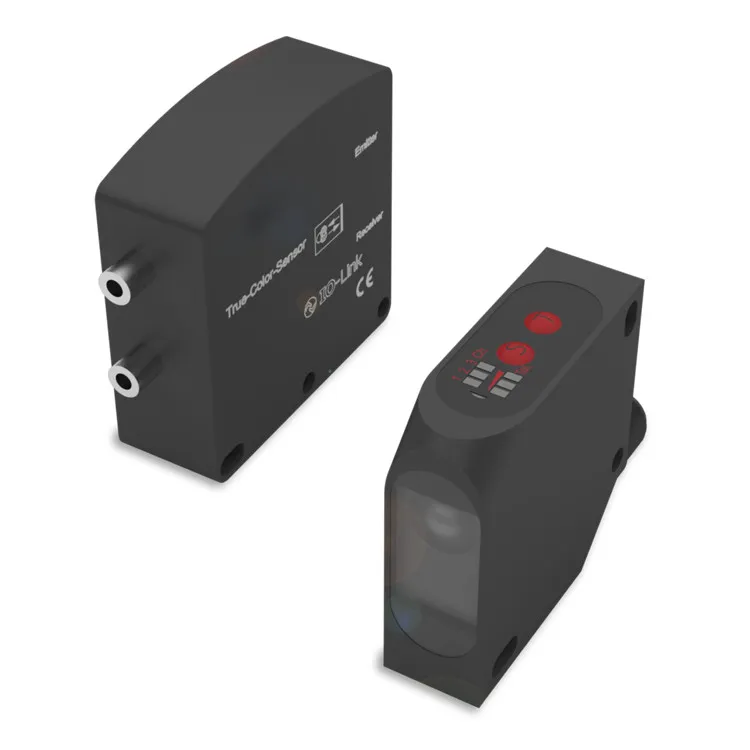
Colour sensors, on the other hand, are used to detect the color of an object. They are more suitable for applications where color identification is important, such as in the food industry for sorting products by color. In people - counting scenarios, colour sensors have limited use as the color of a person's clothing or skin is not a reliable indicator for counting.
Conclusion
In conclusion, counter sensors can be used for people counting, but they come with certain limitations. However, with proper installation, strategic sensor placement, and integration with other technologies, these limitations can be mitigated. Counter sensors offer a cost - effective and versatile solution for various people - counting applications, from small retail stores to large public venues.
If you are interested in exploring the use of counter sensors for your people - counting needs, I encourage you to reach out for a detailed discussion. We can provide you with more information about our products, help you determine the most suitable sensor for your application, and discuss the best installation and integration strategies.
References
- "Industrial Sensors: Principles, Types, and Applications" by John Doe.
- "Sensors and Actuators Handbook" edited by Jane Smith.
- Various industry reports on sensor technologies and people - counting systems.