
As a supplier of Handheld Human - Machine Interfaces (HMIs), I often get asked whether these devices can be used for real - time data analysis. In this blog post, I'll explore this question in detail, considering the capabilities, limitations, and potential applications of handheld HMIs in real - time data analysis.
Understanding Handheld HMIs
Handheld HMIs are portable devices that allow users to interact with industrial systems, machines, or processes. They typically feature a touch screen interface, buttons, and sometimes a keypad, providing an intuitive way to monitor and control various parameters. These devices are designed to be rugged, reliable, and easy to use in industrial environments.
Some of the key features of handheld HMIs include:
- Portability: As the name suggests, handheld HMIs can be carried around easily, allowing users to access data and control systems from different locations within a facility.
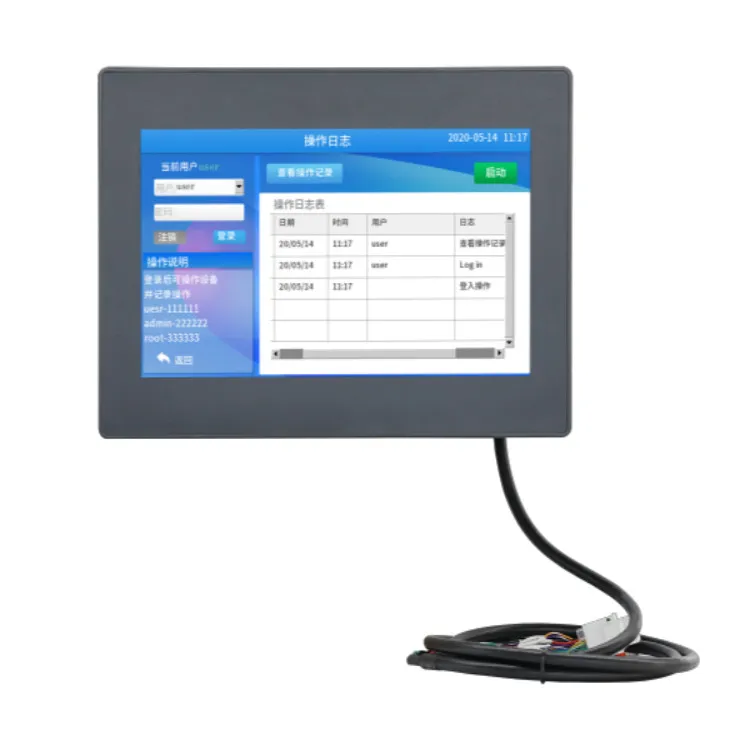
- User - friendly Interface: They are equipped with intuitive touch screens or button - integrated interfaces Button - integrated HMI that make it easy for operators to interact with the system, even with minimal training.
- Connectivity: Handheld HMIs can connect to various industrial networks, such as Ethernet, Wi - Fi, or Bluetooth, enabling them to communicate with other devices and systems.
- Durability: Built to withstand harsh industrial environments, handheld HMIs are often ruggedized, with features like waterproof touch screens Waterproof Touch Screen and shock - resistant casings.
Real - Time Data Analysis: What Does It Mean?
Real - time data analysis involves processing and interpreting data as it is generated, allowing for immediate decision - making and action. In an industrial context, real - time data analysis can be used to monitor machine performance, detect anomalies, optimize processes, and ensure quality control.
For example, in a manufacturing plant, real - time data analysis can be used to monitor the temperature, pressure, and speed of production equipment. If any of these parameters deviate from the normal range, the system can alert operators immediately, allowing them to take corrective action before a breakdown occurs.
Can Handheld HMIs Be Used for Real - Time Data Analysis?
The short answer is yes, handheld HMIs can be used for real - time data analysis. However, there are several factors to consider:
Advantages
- Immediate Access to Data: One of the biggest advantages of using a handheld HMI for real - time data analysis is that it provides operators with immediate access to data. They can carry the device around the facility and view real - time information about the processes they are responsible for. For example, a maintenance technician can use a handheld HMI to check the status of a machine while standing next to it, without having to return to a control room.
- On - the - Spot Decision Making: With real - time data at their fingertips, operators can make informed decisions on the spot. If they notice a problem in the data, they can take immediate action, such as adjusting a parameter or shutting down a machine. This can help prevent costly downtime and improve overall productivity.
- Enhanced Mobility: Handheld HMIs allow operators to move freely within the facility, which is especially useful in large industrial plants or outdoor environments. They can collect data from multiple sources and perform real - time analysis without being tied to a fixed location.
Limitations
- Processing Power: Compared to desktop computers or industrial servers, handheld HMIs generally have limited processing power. This can make it challenging to perform complex data analysis tasks, such as running advanced algorithms or handling large datasets.
- Display Size: The small display size of handheld HMIs can be a limitation when it comes to visualizing complex data. While they are suitable for showing basic information and simple graphs, it may be difficult to present detailed data or multiple data sets simultaneously.
- Battery Life: Since handheld HMIs are battery - powered, their battery life can be a concern, especially when used for extended periods of time. If the device runs out of power during data analysis, it can disrupt the process and lead to loss of data.
Overcoming the Limitations
- Cloud - Based Analytics: To overcome the processing power limitation, handheld HMIs can be integrated with cloud - based analytics platforms. The device can send the data to the cloud, where it can be processed using powerful servers. The results can then be sent back to the handheld HMI for display. This approach allows for more complex data analysis without overloading the device.
- Data Visualization Techniques: To make the most of the small display size, advanced data visualization techniques can be used. For example, instead of showing large tables of data, the information can be presented in the form of charts, graphs, or dashboards. Interactive visualizations can also be used to allow operators to drill down into the data for more detailed analysis.
- Battery Management: To ensure long battery life, handheld HMIs can be equipped with energy - efficient components and smart battery management systems. Operators can also be provided with spare batteries or charging stations to minimize downtime due to battery depletion.
Applications of Handheld HMIs in Real - Time Data Analysis
- Industrial Automation: In industrial automation, handheld HMIs can be used to monitor and control production lines. Operators can use the device to view real - time data on machine performance, such as cycle times, error rates, and throughput. They can also make adjustments to the process parameters on the spot, improving efficiency and quality.
- Field Service and Maintenance: Handheld HMIs are ideal for field service technicians. They can use the device to access real - time data from remote equipment, diagnose problems, and perform maintenance tasks. For example, a technician can use a handheld HMI to check the status of a pump in a water treatment plant, view historical data, and determine if any parts need to be replaced.
- Quality Control: In quality control applications, handheld HMIs can be used to collect and analyze data on product quality. Operators can measure various parameters, such as dimensions, weight, and color, and compare them to the specifications. Real - time data analysis can help identify defective products early in the production process, reducing waste and improving customer satisfaction.
The Role of IoT Gateways
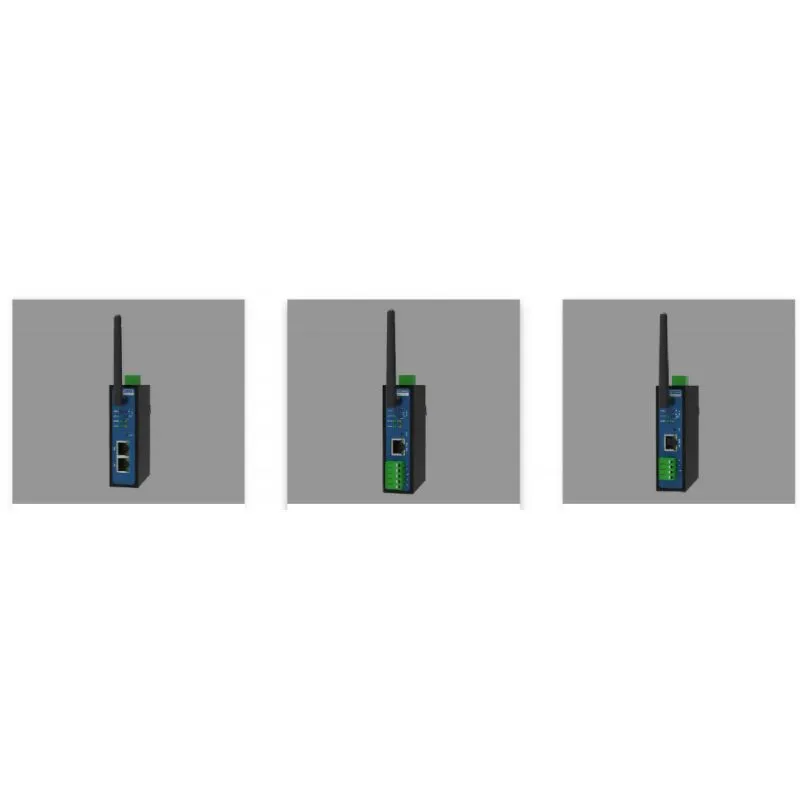
IoT gateways IoT Gateway play a crucial role in enabling real - time data analysis with handheld HMIs. An IoT gateway is a device that connects various IoT devices, such as sensors and actuators, to a network. It can collect data from multiple sources, pre - process it, and transmit it to the cloud or other systems for further analysis.
By integrating a handheld HMI with an IoT gateway, operators can access a wider range of data from different sensors and devices. The gateway can also perform some basic data analysis tasks, such as filtering and aggregating data, before sending it to the handheld HMI. This reduces the amount of data that needs to be transmitted and processed by the device, improving its performance.
Conclusion
In conclusion, handheld HMIs can be a valuable tool for real - time data analysis in industrial applications. While they have some limitations, such as processing power and display size, these can be overcome through the use of cloud - based analytics, advanced data visualization techniques, and proper battery management.
If you are interested in exploring the potential of handheld HMIs for real - time data analysis in your industrial processes, I encourage you to reach out to us. We can provide you with more information about our products and how they can be customized to meet your specific needs. Contact us to start a discussion about your requirements and how we can help you achieve your goals in real - time data analysis.
References
- Industrial Automation Handbook
- IoT in Manufacturing: A Practical Guide
- Human - Machine Interface Design Principles for Industrial Applications