
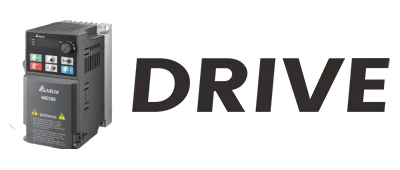
Can Handheld HMI be used in energy management systems?
Hey there! I'm a supplier of Handheld HMIs, and I've been getting a lot of questions lately about whether these nifty devices can be used in energy management systems. Well, let's dive right in and explore this topic together.
First off, let's talk about what a Handheld HMI is. In simple terms, it's a handheld device that allows users to interact with a machine or a system. It's like a portable control panel that you can carry around with you. These HMIs come with touchscreens, buttons, and other input methods, making it easy for operators to monitor and control various processes.
Now, let's consider energy management systems. These systems are designed to monitor, control, and optimize energy consumption in buildings, industrial facilities, and other settings. They collect data from various sensors, analyze it, and then make adjustments to equipment and processes to reduce energy waste and save costs.
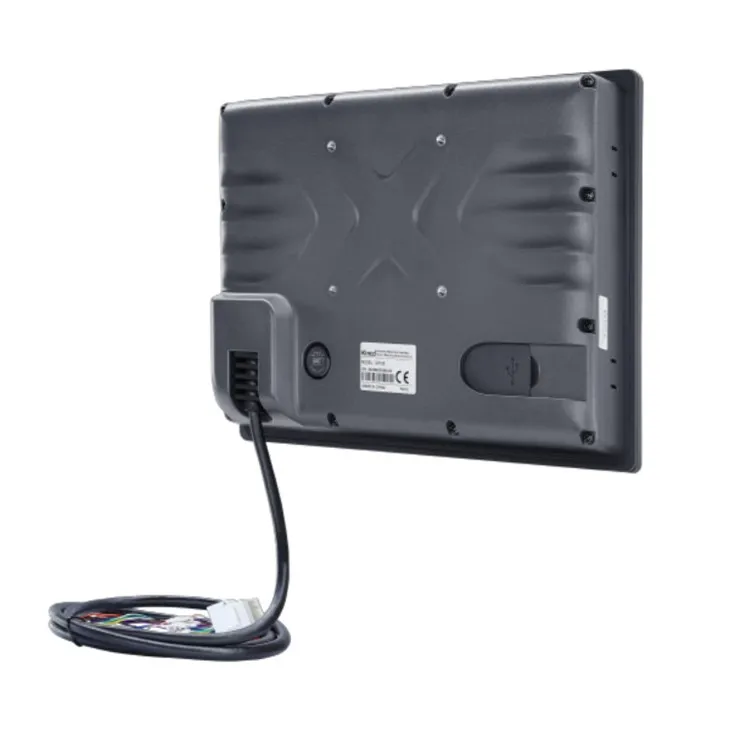
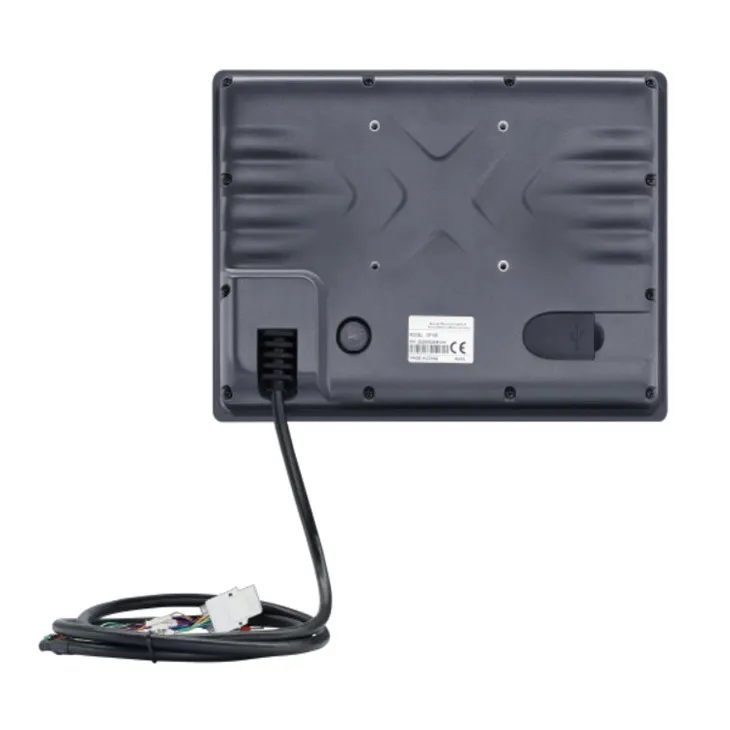
So, can Handheld HMIs be used in energy management systems? The answer is a resounding yes! Here are some of the ways in which Handheld HMIs can be beneficial in energy management:
-
Remote Monitoring and Control
One of the biggest advantages of Handheld HMIs is their portability. Operators can carry them around the facility and monitor energy consumption in real-time. They can check the status of equipment, such as pumps, fans, and HVAC systems, and make adjustments on the go. For example, if an operator notices that a particular piece of equipment is consuming more energy than usual, they can use the Handheld HMI to turn it off or adjust its settings. This can help to prevent energy waste and reduce costs. -
Data Collection and Analysis
Handheld HMIs can also be used to collect data from various sensors in the energy management system. This data can include information about temperature, humidity, energy consumption, and more. The HMI can then display this data in a user-friendly format, allowing operators to analyze it and identify trends. For example, if the data shows that energy consumption is increasing during certain times of the day, operators can take steps to adjust the operating schedule of equipment to reduce energy usage. -
Fault Detection and Troubleshooting
In addition to monitoring and data collection, Handheld HMIs can also be used for fault detection and troubleshooting. If a piece of equipment in the energy management system malfunctions, the HMI can alert the operator and provide detailed information about the problem. The operator can then use the HMI to diagnose the issue and take appropriate action. This can help to minimize downtime and reduce the cost of repairs. -
Operator Training and Education
Handheld HMIs can also be used as a training tool for operators. They can provide step-by-step instructions on how to operate the energy management system and perform various tasks. This can help to ensure that operators are properly trained and can use the system effectively. Additionally, the HMI can provide access to training materials and documentation, making it easier for operators to learn and stay up-to-date on the latest energy management techniques.
Now, let's take a look at some of the specific types of Handheld HMIs that can be used in energy management systems:
-
Car Touch Screen
Car touch screens are a type of Handheld HMI that are designed for use in vehicles. They can be used to monitor and control various systems in the vehicle, such as the engine, transmission, and HVAC system. In the context of energy management, car touch screens can be used to monitor fuel consumption, battery charge levels, and other energy-related parameters. This can help drivers to optimize their driving habits and reduce fuel consumption. -
Waterproof Touch Screen
Waterproof touch screens are another type of Handheld HMI that are suitable for use in energy management systems. They are designed to withstand harsh environments, such as outdoor settings or areas with high humidity. In the energy management context, waterproof touch screens can be used to monitor and control equipment in outdoor locations, such as solar panels, wind turbines, and water treatment plants. -
Charging Pile Touch Screen
Charging pile touch screens are specifically designed for use in electric vehicle charging stations. They can be used to monitor and control the charging process, as well as provide information to users about the charging status, available charging options, and pricing. In the context of energy management, charging pile touch screens can be used to optimize the charging process and reduce energy consumption.
In conclusion, Handheld HMIs can be a valuable tool in energy management systems. They offer remote monitoring and control, data collection and analysis, fault detection and troubleshooting, and operator training and education. With the right Handheld HMI, operators can optimize energy consumption, reduce costs, and improve the efficiency of their energy management systems.
If you're interested in learning more about how Handheld HMIs can be used in your energy management system, or if you're looking to purchase a Handheld HMI for your facility, please don't hesitate to get in touch. We'd be happy to discuss your specific needs and provide you with a customized solution.
References
- Smith, J. (2020). Energy Management Systems: Principles and Applications. New York: Wiley.
- Johnson, M. (2019). Handbook of Human - Machine Interface Design. London: Elsevier.