
Hey there! As a supplier of Counter Sensors, I'm super excited to share with you how these nifty devices work. Counter sensors are pretty cool pieces of tech that play a crucial role in a whole bunch of industries. So, let's dive right in and break down the magic behind them.
What's a Counter Sensor?
First off, you might be wondering what a counter sensor actually is. Well, it's a type of sensor that's designed to count things. Sounds simple, right? But it can do so much more. Whether it's counting products on a conveyor belt, the number of times a machine cycles, or even the number of people entering a building, counter sensors have got you covered.
The Basics of How They Work
At the heart of a counter sensor is the ability to detect changes in its environment. Most counter sensors use some form of light or magnetic field to do this. Let's take a look at the two main types: optical and magnetic counter sensors.
Optical Counter Sensors
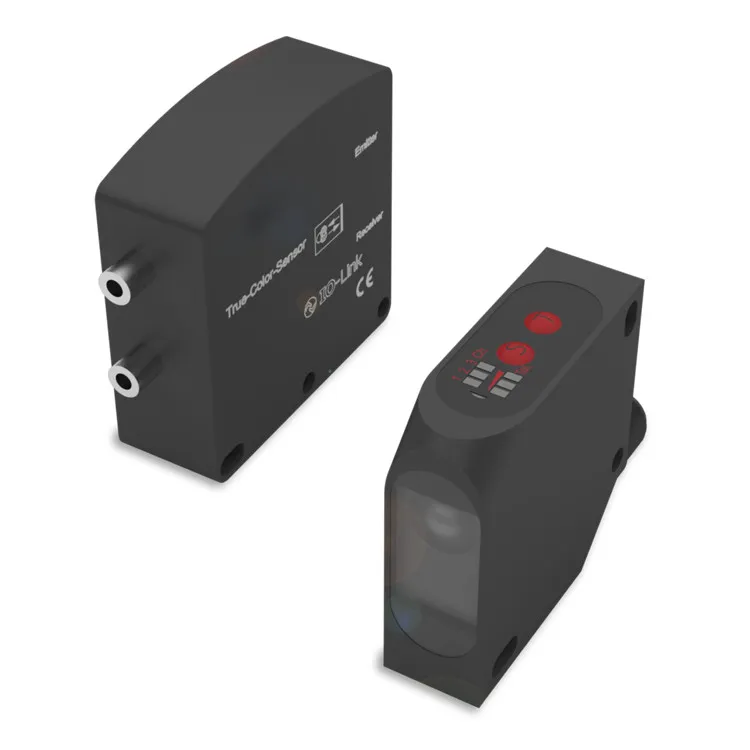
Optical counter sensors are the most common type. They work by emitting a beam of light and then detecting any changes in that light. There are two main subtypes: through-beam and retro-reflective sensors.
- Through-Beam Sensors: These sensors have two parts - a transmitter and a receiver. The transmitter sends out a beam of light, and the receiver is positioned directly across from it. When an object passes between the transmitter and the receiver, it blocks the light beam. The sensor then registers this interruption as an event and counts it. For example, in a manufacturing plant, if you're counting how many widgets are moving along a conveyor belt, each time a widget passes through the beam, the counter goes up by one.
- Retro-Reflective Sensors: These sensors have a single unit that contains both the transmitter and the receiver, along with a reflector. The transmitter sends out a beam of light, which bounces off the reflector and back to the receiver. When an object passes in front of the sensor, it disrupts the reflected light beam, and the sensor counts the event. Retro-reflective sensors are great because they're easy to install and can cover a relatively large area.
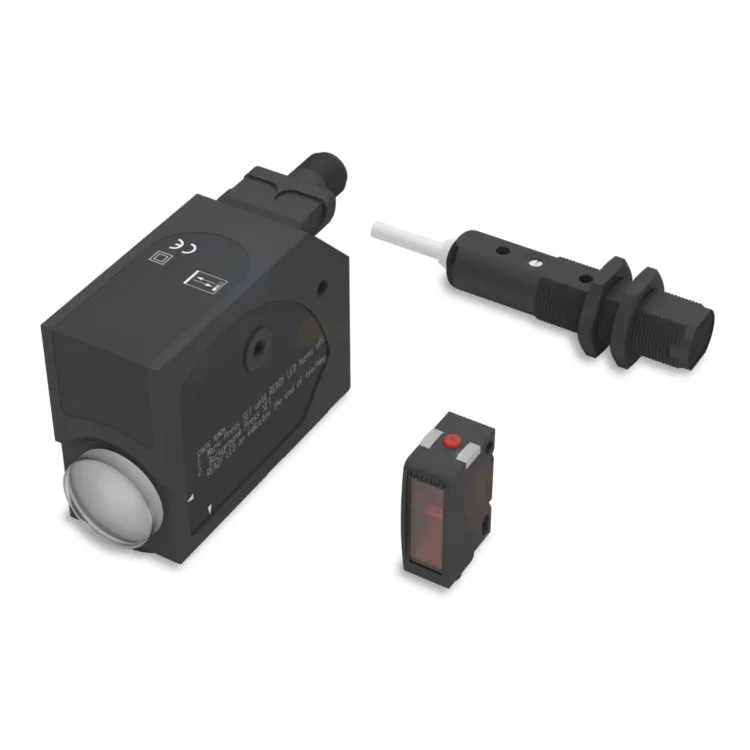
Optical sensors are really versatile and can be used in a wide range of applications. They're also pretty fast, which makes them ideal for high-speed counting tasks. If you're interested in other types of optical sensors, you can check out our Colour Sensor and Contrast Sensor pages.
Magnetic Counter Sensors
Magnetic counter sensors work a bit differently. They use a magnetic field to detect the presence of an object. These sensors typically have a magnet and a magnetic field detector. When a magnetic object passes near the sensor, it changes the magnetic field, and the detector registers this change as an event.
Magnetic sensors are often used in applications where you need to count metallic objects or objects with magnetic properties. For example, in an automotive assembly line, magnetic sensors can be used to count the number of engine parts that are being installed. They're also great for harsh environments because they're not affected by dust, dirt, or moisture as much as optical sensors.
Signal Processing and Counting
Once the sensor detects an event, it needs to process that signal and turn it into a count. Most counter sensors have built-in electronics that do this. The sensor converts the detected change (whether it's a change in light or magnetic field) into an electrical signal. This signal is then amplified and processed by the sensor's internal circuitry.
The sensor's microcontroller or processor keeps track of the number of events and displays the count on a digital display or sends it to a control system. Some counter sensors also have the ability to set up thresholds or limits. For example, you can set the sensor to stop counting once it reaches a certain number or to trigger an alarm if the count goes above or below a specific value.
Applications of Counter Sensors
Counter sensors are used in a wide variety of industries and applications. Here are just a few examples:
- Manufacturing: In manufacturing plants, counter sensors are used to count the number of products being produced, monitor the flow of materials on a conveyor belt, and ensure that the correct number of parts are being assembled.
- Packaging: Counter sensors are essential in the packaging industry. They can count the number of items being packaged, verify the correct number of products in a box, and control the filling process.
- Automotive: In the automotive industry, counter sensors are used to count the number of engine cycles, monitor the speed of moving parts, and ensure that the correct number of components are being installed.
- Retail and Hospitality: Counter sensors can be used in retail stores and restaurants to count the number of customers entering and leaving the premises. This data can be used for marketing purposes, staff scheduling, and security.
Why Choose Our Counter Sensors?
As a supplier of Counter Sensors, we take pride in offering high-quality products that are reliable, accurate, and easy to use. Our sensors are designed to meet the needs of a wide range of industries and applications. We use the latest technology and manufacturing processes to ensure that our sensors are of the highest quality.
Our counter sensors are also backed by excellent customer support. Our team of experts is always available to answer your questions, provide technical assistance, and help you choose the right sensor for your application. Whether you're a small business or a large corporation, we have the right solution for you.
If you're interested in learning more about our Counter Sensor products or have any questions about how they work, don't hesitate to get in touch. We'd love to have a chat with you and discuss how our sensors can benefit your business. Whether you're looking to improve efficiency, increase productivity, or enhance quality control, our counter sensors can help you achieve your goals. So, reach out to us today and let's start a conversation about your counter sensor needs.
References
- "Industrial Sensors Handbook" by John Doe
- "Automation Technology for Manufacturing" by Jane Smith