
Hey there! I'm a supplier of Counter Sensors. You know, counter sensors are super useful in a whole bunch of industries. But one of the big challenges we often face is getting these sensors to work well in different environments. In this blog, I'm gonna share some tips on how to adapt a counter sensor to different settings.
Understanding the Basics of Counter Sensors
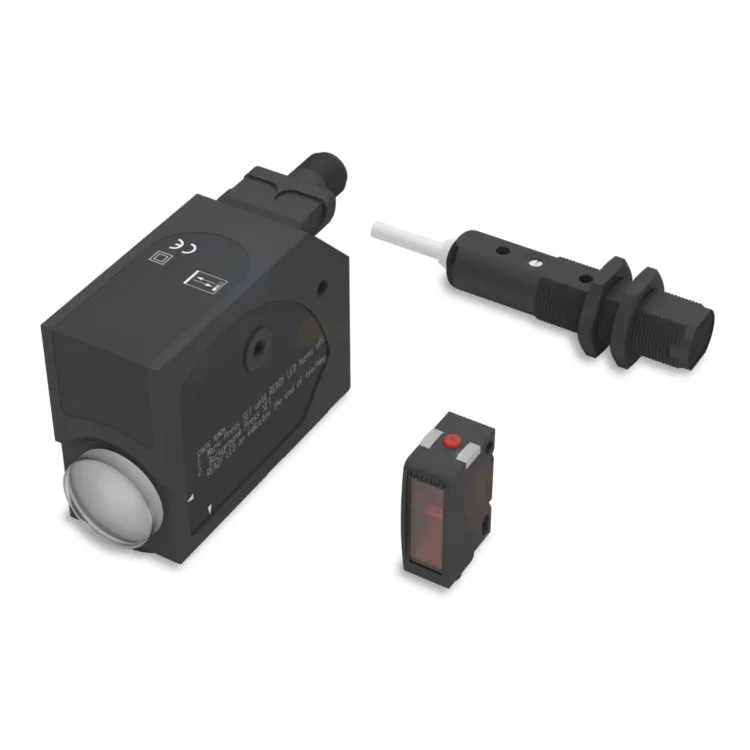
First off, let's quickly talk about what a Counter Sensor is. It's a device that counts objects as they pass by. These sensors can be used in manufacturing to count products on a conveyor belt, in traffic management to count vehicles, and in many other applications. They're pretty versatile, but different environments can really throw a wrench in their performance.
Adapting to Harsh Industrial Environments
In industrial settings, there are a lot of things that can mess with a counter sensor. For example, there might be a lot of dust, vibrations, or extreme temperatures.
Dust and Debris
Dust can accumulate on the sensor's lens, blocking the light beam and causing inaccurate readings. To deal with this, we can use sensors with a protective housing. Some sensors come with a sealed enclosure that keeps dust out. Another option is to install a cleaning mechanism. For instance, a periodic air blast can blow the dust away from the sensor.
Vibrations
Vibrations are common in industrial machinery. They can cause the sensor to move out of position or affect the internal components. To combat this, we can use vibration - resistant mounts. These mounts absorb the vibrations and keep the sensor stable. Also, sensors with a robust internal structure can better withstand vibrations.
Extreme Temperatures
Industrial environments can be either extremely hot or cold. High temperatures can damage the electronic components of the sensor, while low temperatures can make the sensor less responsive. For high - temperature environments, we can use sensors with heat - resistant materials. Some sensors are designed to operate at temperatures up to 80°C or even higher. In cold environments, we might need to add a heating element to keep the sensor at an optimal operating temperature.
Outdoor Environments
Outdoor use of counter sensors presents its own set of challenges. The weather, sunlight, and wildlife can all impact the sensor's performance.
Weather Conditions
Rain, snow, and humidity can cause the sensor to malfunction. To protect against these elements, we can use waterproof and weather - resistant sensors. These sensors are usually sealed and have a coating that prevents water from getting inside. Additionally, we can install the sensor in a sheltered location to minimize exposure to the weather.
Sunlight
Sunlight can interfere with the light beam of the counter sensor, leading to false readings. To solve this problem, we can use sensors with a high level of sunlight immunity. These sensors are designed to filter out the sunlight and only detect the light from their own light source. Another option is to install the sensor in a shaded area or use a sunshade.
Wildlife
In some outdoor settings, animals like birds or squirrels can interact with the sensor. They might perch on the sensor or damage it. To prevent this, we can install the sensor in a location that is difficult for animals to reach. We can also use protective cages or covers to keep the animals away.
Cleanroom and Laboratory Environments
In cleanrooms and laboratories, the environment is very controlled, but there are still specific requirements for counter sensors.
Contamination
Cleanrooms require a very low level of contamination. The counter sensor needs to be made of materials that don't shed particles. We can use sensors with smooth surfaces that are easy to clean. Also, the sensors should be installed in a way that minimizes the risk of contamination, such as using sealed mounting brackets.
Precision
In laboratories, precision is crucial. The counter sensor needs to be highly accurate. We can calibrate the sensor regularly to ensure its accuracy. Some sensors also have built - in calibration features that make the process easier.
Food and Beverage Industry
The food and beverage industry has its own unique set of requirements for counter sensors.
Hygiene
Hygiene is of utmost importance in this industry. The sensor needs to be easy to clean and made of food - grade materials. We can use sensors that are resistant to cleaning agents and have a smooth surface that doesn't trap dirt or bacteria.
Temperature and Humidity
The food and beverage production process often involves specific temperature and humidity conditions. The sensor needs to be able to operate in these conditions without being affected. We can choose sensors that are designed for the temperature and humidity ranges typical in this industry.
Choosing the Right Sensor for the Environment
When adapting a counter sensor to different environments, choosing the right sensor in the first place is crucial. There are different types of sensors available, and each has its own strengths and weaknesses.
Optical vs. Magnetic Sensors
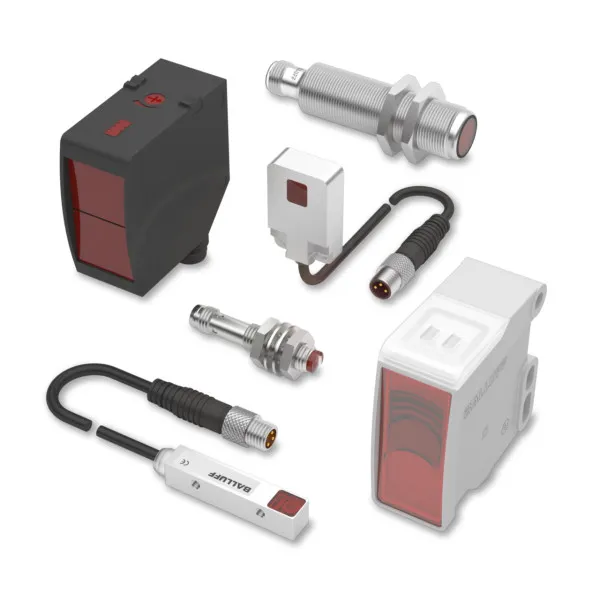
Optical sensors are great for detecting objects based on light reflection or interruption. They're often used in applications where the object is visible and there is a clear line of sight. On the other hand, magnetic sensors are more suitable for detecting objects that are made of magnetic materials or have magnetic properties. They can work in environments where there is a lot of dust or debris that might interfere with an optical sensor.
Colour Sensor and Contrast Sensor
In some applications, a colour sensor or a contrast sensor might be more appropriate. A colour sensor can detect the colour of an object, which can be useful in sorting applications. A contrast sensor, on the other hand, can detect differences in brightness or colour between an object and its background. Depending on the environment, these types of sensors can provide more accurate and relevant information.
Installation and Maintenance
Proper installation and maintenance are also key to ensuring that the counter sensor works well in different environments.
Installation
When installing the sensor, we need to make sure it's in the right position. The sensor should have a clear view of the objects it's supposed to count. We also need to ensure that the wiring is properly installed and protected from damage.
Maintenance
Regular maintenance is essential. We should clean the sensor, check the wiring, and test the sensor's performance. If there are any issues, we should address them immediately to prevent further problems.
Conclusion
Adapting a counter sensor to different environments is a complex but achievable task. By understanding the specific challenges of each environment, choosing the right sensor, and following proper installation and maintenance procedures, we can ensure that the sensor performs well and provides accurate readings.
If you're looking for high - quality counter sensors that can adapt to various environments, don't hesitate to reach out for a procurement discussion. We can offer you the right solutions for your specific needs.
References
- "Industrial Sensor Technology" by John Smith
- "Outdoor Sensor Applications and Solutions" by Jane Doe
- "Cleanroom and Laboratory Sensor Requirements" by Harry Johnson