

Adjusting the step angle of a stepper system is a crucial aspect that can significantly impact the performance of various applications. As a trusted stepper system supplier, we understand the importance of this adjustment and are here to guide you through the process.
Understanding the Basics of Stepper Systems
Before delving into the adjustment of the step angle, it's essential to have a clear understanding of what a stepper system is. A stepper system typically consists of a stepper motor and a driver. The stepper motor converts electrical pulses into discrete mechanical movements, and the driver provides the necessary electrical signals to control the motor.
There are two main types of stepper motors: 2 Phase Stepper Motor and 3 Phase Stepper Motor. The 2 - phase stepper motor is more common and is known for its simplicity and cost - effectiveness. It usually has a step angle of 1.8° or 0.9°. On the other hand, the 3 - phase stepper motor offers smoother operation and higher torque, with step angles such as 1.2°.
Why Adjust the Step Angle?
The step angle of a stepper motor determines the smallest increment of rotation that the motor can make for each electrical pulse. Adjusting the step angle can be beneficial in several scenarios.
- Precision Control: In applications where high precision is required, such as in CNC machines, 3D printers, and robotic arms, a smaller step angle allows for more accurate positioning. For example, if you need to move an object with a very fine resolution, reducing the step angle can achieve this level of precision.
- Speed and Torque Optimization: Changing the step angle can also affect the speed and torque characteristics of the stepper motor. A larger step angle may result in higher speed but lower torque, while a smaller step angle can provide more torque at lower speeds. This flexibility allows you to optimize the motor's performance according to the specific requirements of your application.
Methods of Adjusting the Step Angle
Microstepping
Microstepping is one of the most common methods used to adjust the step angle of a stepper system. Instead of providing full - step pulses to the motor, the driver divides each full step into smaller microsteps. This effectively reduces the step angle and allows for smoother and more precise motion.
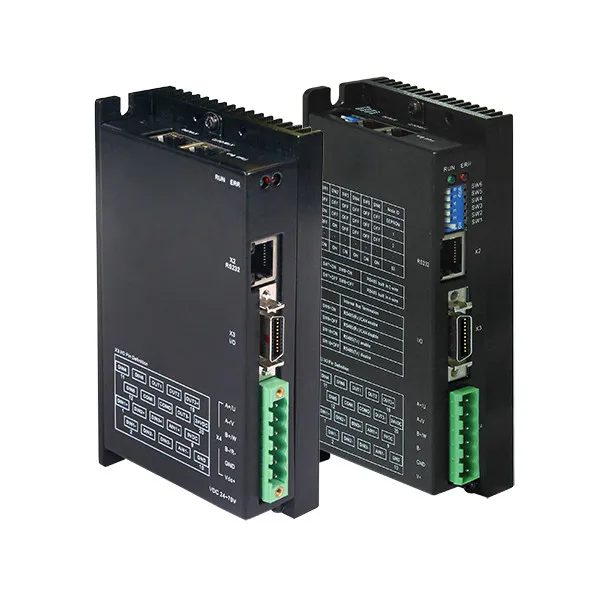
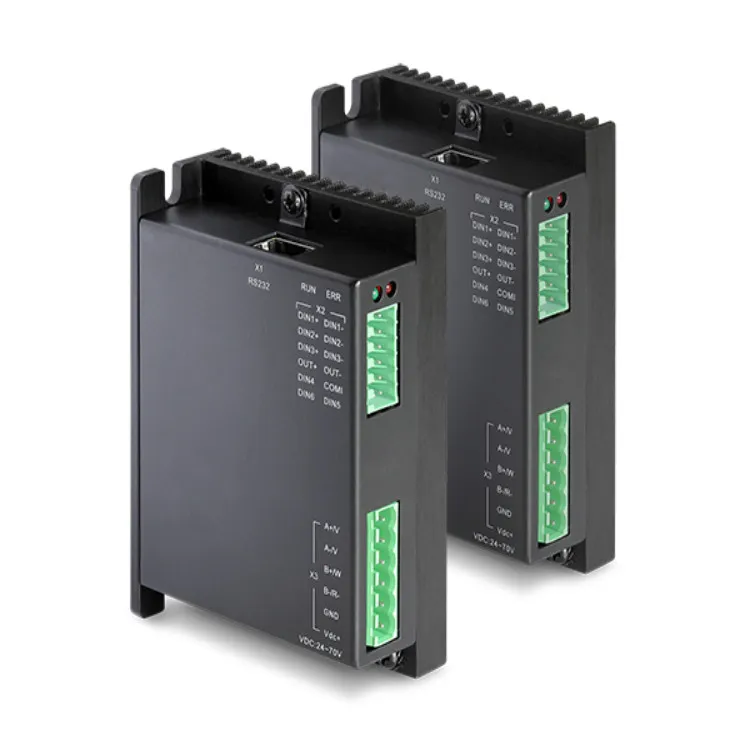
Most modern stepper drivers, including Field Bus Stepper Driver, support microstepping. The driver achieves microstepping by controlling the current in the motor windings more precisely. For example, a driver may support 2, 4, 8, 16, or even higher microstep resolutions.
To adjust the microstep setting, you typically need to configure the driver. This can be done through dip switches on the driver board or by using software interfaces. Some advanced drivers allow for real - time adjustment of the microstep setting, which is useful for applications where the precision requirements may change during operation.
Changing the Motor Configuration
Another way to adjust the step angle is by changing the motor's internal configuration. Some stepper motors have multiple winding configurations that can be selected to change the step angle.
For example, a 2 - phase stepper motor may have a bipolar or unipolar winding configuration. In a bipolar configuration, the motor windings are energized in a way that allows for a smaller step angle compared to the unipolar configuration. By changing the wiring of the motor windings, you can switch between these configurations and adjust the step angle accordingly.
However, changing the motor configuration requires a good understanding of the motor's electrical characteristics and may involve some technical expertise. It's important to refer to the motor's datasheet and follow the manufacturer's instructions carefully.
Considerations When Adjusting the Step Angle
Power Consumption
Adjusting the step angle, especially when using microstepping, can affect the power consumption of the stepper system. Microstepping requires more precise control of the current in the motor windings, which may result in higher power consumption. It's important to consider the power requirements of your application and ensure that your power supply can handle the additional load.
Resonance
Stepper motors are prone to resonance at certain speeds and step angles. Resonance occurs when the natural frequency of the motor coincides with the driving frequency, causing the motor to vibrate and lose torque. When adjusting the step angle, it's important to avoid operating the motor at resonant frequencies. You can use techniques such as speed profiling or damping to reduce the effects of resonance.
Compatibility with the Driver
Not all stepper drivers support all step angles and microstep resolutions. Before adjusting the step angle, make sure that your driver is compatible with the desired setting. Check the driver's datasheet for information on supported step angles and microstep configurations.
Step - by - Step Guide to Adjusting the Step Angle
Step 1: Determine the Required Step Angle
Based on the precision, speed, and torque requirements of your application, determine the desired step angle. Consider factors such as the resolution needed for positioning, the maximum speed of operation, and the load that the motor will need to drive.
Step 2: Check the Motor and Driver Compatibility
Refer to the motor's datasheet to understand its available step angles and any configurable options. Also, check the driver's datasheet to ensure that it supports the desired step angle or microstep resolution.
Step 3: Configure the Driver
If you are using microstepping to adjust the step angle, configure the driver accordingly. This may involve setting dip switches on the driver board or using software to adjust the microstep setting. Follow the driver's user manual for detailed instructions.
Step 4: Test the System
After configuring the driver, test the stepper system to ensure that it is operating correctly. Monitor the motor's performance, including its speed, torque, and positioning accuracy. Make any necessary adjustments to the step angle or other parameters based on the test results.
Conclusion
Adjusting the step angle of a stepper system is a powerful way to optimize its performance for various applications. Whether you need higher precision, better speed - torque characteristics, or smoother operation, there are methods available to adjust the step angle to meet your specific requirements.
As a stepper system supplier, we are committed to providing you with high - quality stepper motors and drivers, as well as the technical support you need to adjust the step angle effectively. If you have any questions or need assistance with your stepper system, please don't hesitate to contact us for a procurement discussion. We look forward to working with you to find the best solutions for your applications.
References
- "Stepper Motor Handbook" by Walter A. Leonhard
- Manufacturer datasheets for 2 - phase and 3 - phase stepper motors
- User manuals for stepper drivers