
As a trusted Siemens PLC supplier, I've witnessed firsthand the transformative impact of integrating Siemens PLCs with SCADA (Supervisory Control and Data Acquisition) systems across various industries. This integration offers a seamless way to monitor, control, and optimize industrial processes, leading to enhanced efficiency, productivity, and reliability. In this blog, I'll share my insights on how to effectively integrate Siemens PLCs with SCADA systems, covering everything from understanding the basics to implementing a successful integration.
Understanding Siemens PLCs and SCADA Systems
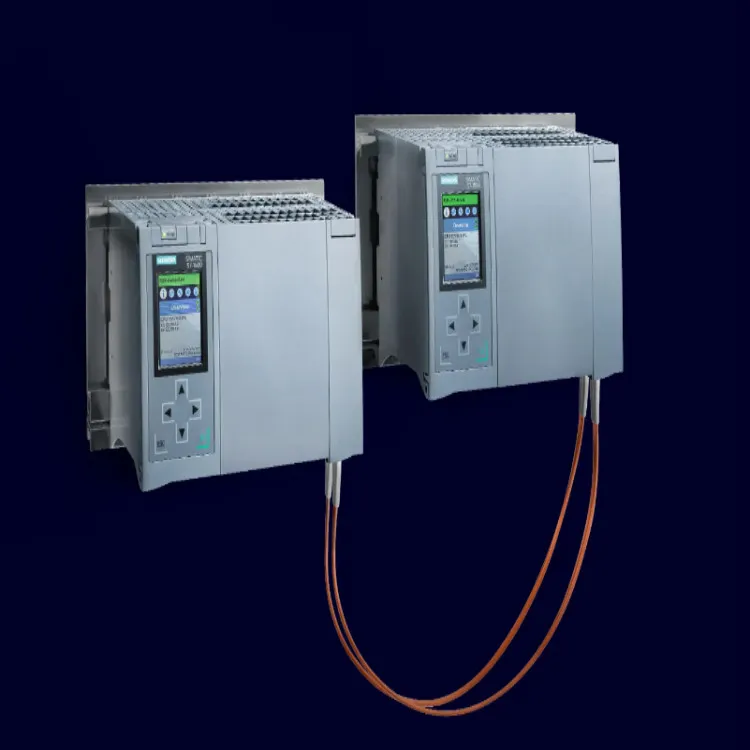
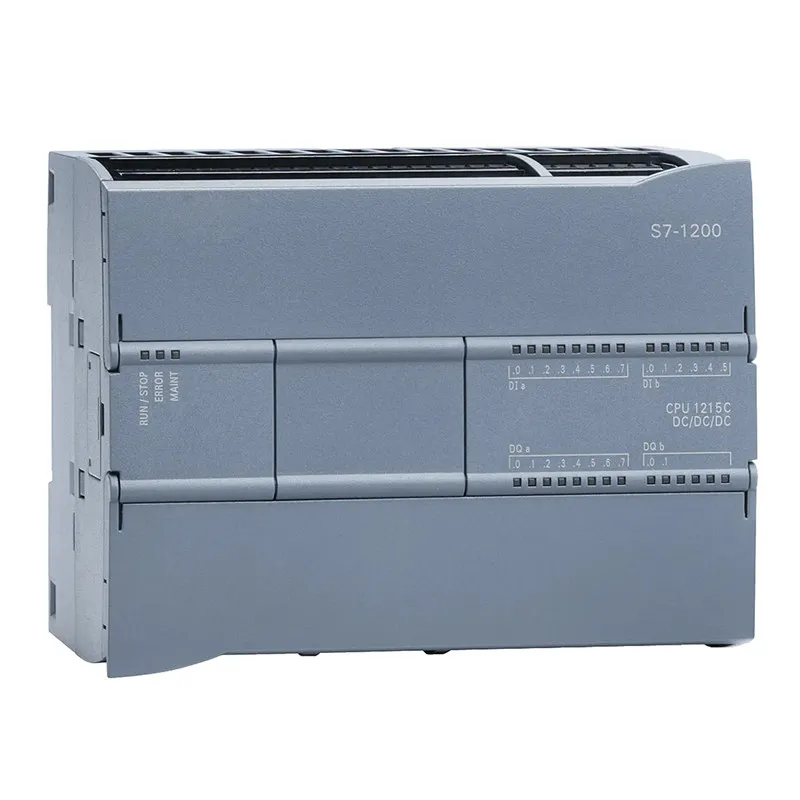
Before diving into the integration process, it's essential to have a clear understanding of Siemens PLCs and SCADA systems. Siemens offers a wide range of PLCs, each designed to meet specific industrial requirements. Some of the popular models include Siemens PLC S7 1500, Siemens PLC S7 1200, and Siemens PLC S7 200. These PLCs are known for their high performance, reliability, and flexibility, making them suitable for a variety of applications.
On the other hand, SCADA systems are used to monitor and control industrial processes from a central location. They collect data from various sensors and devices connected to the PLCs, display the data in a user-friendly interface, and allow operators to make informed decisions based on the real-time information. SCADA systems can also be used to automate processes, generate reports, and send alerts in case of any abnormalities.
Benefits of Integrating Siemens PLCs with SCADA Systems
Integrating Siemens PLCs with SCADA systems offers several benefits, including:
- Enhanced Monitoring and Control: SCADA systems provide a centralized platform for monitoring and controlling industrial processes, allowing operators to have a real-time view of the entire system. This enables them to quickly identify and address any issues, reducing downtime and improving productivity.
- Improved Efficiency: By automating processes and optimizing operations, the integration of Siemens PLCs with SCADA systems can significantly improve efficiency. This can lead to reduced energy consumption, lower production costs, and increased throughput.
- Better Decision-Making: SCADA systems collect and analyze data from various sources, providing valuable insights into the performance of the industrial processes. This information can be used to make informed decisions, optimize processes, and improve overall system performance.
- Increased Reliability: Siemens PLCs are known for their high reliability, and when integrated with SCADA systems, they can provide a more robust and reliable industrial control solution. This can help to minimize the risk of system failures and ensure continuous operation.
Steps to Integrate Siemens PLCs with SCADA Systems
The integration of Siemens PLCs with SCADA systems typically involves the following steps:
Step 1: Define the Requirements
The first step in the integration process is to define the requirements of the project. This includes identifying the specific industrial processes that need to be monitored and controlled, the type of data that needs to be collected, and the desired functionality of the SCADA system. It's also important to consider the scalability and future expansion of the system.
Step 2: Select the Appropriate Siemens PLC and SCADA System
Based on the requirements defined in the previous step, select the appropriate Siemens PLC and SCADA system. Consider factors such as the performance, reliability, flexibility, and compatibility of the PLC and SCADA system. It's also important to ensure that the selected PLC and SCADA system support the communication protocols required for the integration.
Step 3: Configure the Siemens PLC
Once the Siemens PLC has been selected, it needs to be configured to communicate with the SCADA system. This involves setting up the communication parameters, such as the IP address, subnet mask, and gateway, and defining the data tags that will be used to exchange data between the PLC and the SCADA system.
Step 4: Configure the SCADA System
After configuring the Siemens PLC, the next step is to configure the SCADA system. This includes creating the user interface, defining the data sources, and setting up the alarms and notifications. It's also important to ensure that the SCADA system is configured to communicate with the Siemens PLC using the appropriate communication protocol.
Step 5: Establish Communication between the PLC and the SCADA System
Once the PLC and the SCADA system have been configured, the next step is to establish communication between them. This involves testing the communication link and verifying that the data is being exchanged correctly between the PLC and the SCADA system.
Step 6: Develop and Test the SCADA Application
After establishing communication between the PLC and the SCADA system, the next step is to develop and test the SCADA application. This includes creating the graphical user interface (GUI), implementing the control logic, and testing the functionality of the SCADA system. It's important to conduct thorough testing to ensure that the SCADA system meets the requirements of the project.
Step 7: Deploy and Maintain the Integration
Once the SCADA application has been developed and tested, it's ready to be deployed in the production environment. This involves installing the SCADA system on the appropriate hardware, configuring the network settings, and integrating the SCADA system with the existing industrial infrastructure. It's also important to establish a maintenance plan to ensure the continuous operation of the integrated system.
Challenges and Solutions in the Integration Process
While the integration of Siemens PLCs with SCADA systems offers many benefits, it can also present some challenges. Some of the common challenges include:
- Communication Protocol Compatibility: Siemens PLCs support a variety of communication protocols, and it's important to ensure that the selected SCADA system supports the same protocols. If there is a mismatch in the communication protocols, it may be necessary to use a protocol converter or implement a custom communication driver.
- Data Mapping and Conversion: The data collected from the Siemens PLCs may need to be mapped and converted to a format that can be understood by the SCADA system. This can be a complex task, especially if the data has different formats or units of measurement.
- Security Concerns: The integration of Siemens PLCs with SCADA systems involves the exchange of sensitive data, and it's important to ensure the security of the system. This includes implementing appropriate security measures, such as firewalls, encryption, and access control, to protect the data from unauthorized access.
To overcome these challenges, it's important to work with an experienced system integrator who has a deep understanding of Siemens PLCs and SCADA systems. A professional system integrator can help to select the appropriate communication protocols, develop custom communication drivers if necessary, and implement the necessary security measures to ensure the security of the integrated system.
Conclusion
Integrating Siemens PLCs with SCADA systems is a powerful way to enhance the monitoring, control, and optimization of industrial processes. By following the steps outlined in this blog and working with an experienced system integrator, you can successfully integrate Siemens PLCs with SCADA systems and reap the benefits of improved efficiency, productivity, and reliability.
If you're interested in learning more about integrating Siemens PLCs with SCADA systems or are looking to purchase Siemens PLCs for your industrial applications, I encourage you to contact me. I'm here to provide you with the expertise and support you need to make the right decisions for your project.
References
- Siemens PLC User Manuals
- SCADA System Documentation
- Industrial Automation Industry Reports