

Hey there! I'm a supplier of general PLCs, and I've seen firsthand how electrical interference can mess with these nifty devices. In this blog, I'll share some tips on how to protect a general PLC from electrical interference.
Understanding Electrical Interference
Before we dive into the protection methods, let's quickly understand what electrical interference is. Electrical interference, also known as electromagnetic interference (EMI) or radio - frequency interference (RFI), is unwanted electrical signals that can disrupt the normal operation of electronic devices like PLCs. These interferences can come from various sources such as motors, generators, power lines, and even other electronic equipment in the vicinity.
Sources of Electrical Interference
- Industrial Machinery: Big machines like motors, welding equipment, and high - power generators can generate strong electromagnetic fields. When a PLC is placed close to these, it can pick up the interference.
- Power Lines: Fluctuations in the power supply, such as voltage spikes and surges, can also cause interference. These can be due to lightning strikes, power grid switching, or faulty electrical components in the building.
- Radio Frequencies: Wireless devices, radio transmitters, and even mobile phones can emit radio frequencies that may interfere with the PLC's operation.
Protection Methods
Proper Grounding
One of the most important steps in protecting a PLC from electrical interference is proper grounding. A good grounding system provides a low - impedance path for electrical currents to flow safely to the ground. This helps in dissipating any unwanted electrical charges and reducing the risk of interference.
- Single - Point Grounding: Use a single - point grounding system for the PLC and all its associated equipment. This means connecting all the grounding wires to a single point, usually a grounding rod or a grounding busbar. This helps in avoiding ground loops, which can be a major source of interference.
- Grounding Conductors: Make sure to use high - quality grounding conductors with sufficient cross - sectional area. The conductors should be short and straight to minimize resistance.
Shielding
Shielding is another effective way to protect a PLC from electrical interference. Shielding involves enclosing the PLC or its cables in a conductive material that blocks the electromagnetic fields.
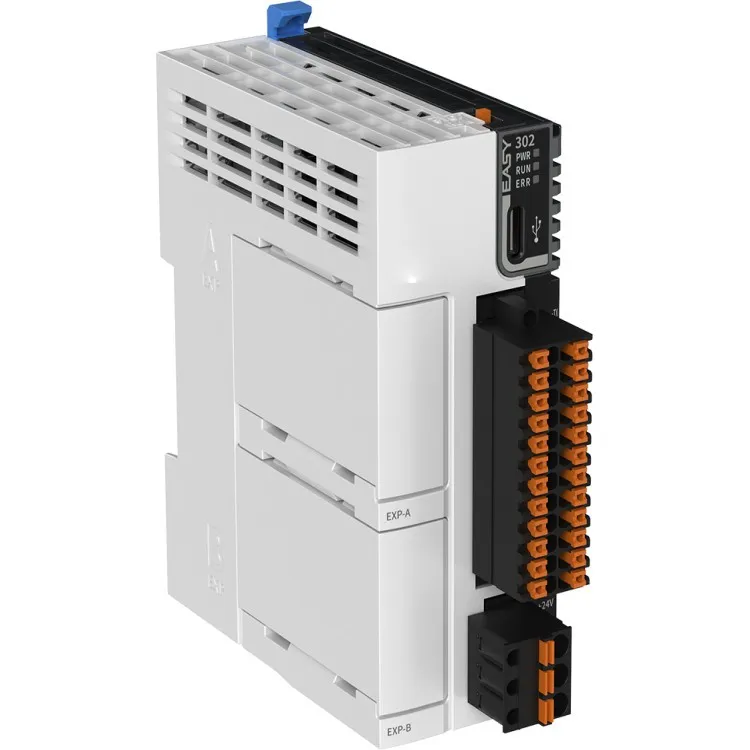
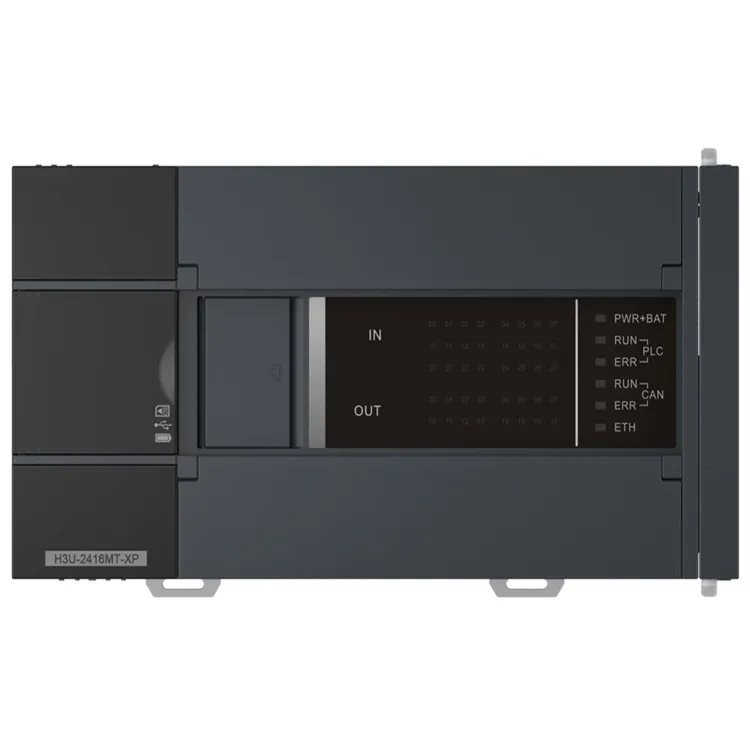
- Cable Shielding: Use shielded cables for all the connections to the PLC. The shield should be properly grounded at both ends. This helps in preventing external electromagnetic fields from inducing unwanted currents in the cables.
- Enclosure Shielding: Place the PLC in a shielded enclosure. The enclosure can be made of metal, such as steel or aluminum, which can block the electromagnetic fields. Make sure the enclosure is properly grounded.
Isolation
Isolation techniques can be used to separate the PLC from the sources of electrical interference.
- Optical Isolation: Use opto - isolators in the input and output circuits of the PLC. Opto - isolators use light to transfer signals between two circuits, which provides electrical isolation. This helps in preventing interference from being transferred from one circuit to another.
- Transformer Isolation: Use isolation transformers in the power supply of the PLC. Isolation transformers provide electrical isolation between the input and output sides, which can reduce the risk of power - related interference.
Filtering
Filtering can be used to remove unwanted electrical signals from the power supply and the input/output signals of the PLC.
- Power Filters: Install power filters in the power supply of the PLC. Power filters can remove high - frequency noise and voltage spikes from the power supply.
- Signal Filters: Use signal filters in the input and output circuits of the PLC. Signal filters can remove unwanted frequencies from the input and output signals, which helps in improving the signal quality.
Location and Layout
The location and layout of the PLC can also have a significant impact on its susceptibility to electrical interference.
- Distance from Sources: Keep the PLC away from sources of electrical interference, such as motors, generators, and power lines. The greater the distance, the lower the risk of interference.
- Cable Routing: Route the cables carefully to avoid running them parallel to sources of interference. Keep the power cables and signal cables separate to prevent cross - talk.
Specific PLC Models and Their Protection
We offer a variety of PLC models, each with its own features and protection requirements. For example, the CAN Bus PLC is a popular choice for industrial applications. It has built - in protection mechanisms, but still, following the above - mentioned protection methods can further enhance its performance.
The 485 Pulse PLC is another great option. It is designed to handle pulse signals, and proper grounding and shielding are crucial to ensure accurate signal transmission.
Our Compact Mini PLC is small in size but big on performance. Due to its compact design, it may be more susceptible to interference, so extra care should be taken in terms of location, shielding, and filtering.
Conclusion
Protecting a general PLC from electrical interference is essential for its reliable operation. By following the methods mentioned above, such as proper grounding, shielding, isolation, filtering, and careful location and layout, you can significantly reduce the risk of interference.
If you're in the market for a high - quality general PLC and need more advice on protection against electrical interference, don't hesitate to reach out. We're here to help you make the right choice and ensure that your PLC operates smoothly in any environment. Contact us for more details and to start a procurement discussion.
References
- "Electromagnetic Compatibility Engineering" by Henry W. Ott
- "Industrial Automation Handbook" by Peter Welter