
Hey there! As a supplier of stepper systems, I've seen my fair share of issues related to vibration in these systems. Vibration can be a real pain in the neck, affecting the performance, accuracy, and even the lifespan of your stepper system. In this blog, I'll share some tips on how to reduce the vibration of a stepper system.
Understanding the Causes of Vibration in Stepper Systems
Before we dive into the solutions, it's important to understand what causes vibration in stepper systems. There are several factors that can contribute to this issue:
- Resonance: Stepper motors have natural frequencies at which they vibrate more easily. When the operating frequency of the motor matches its natural frequency, resonance occurs, leading to increased vibration.
- Step Resolution: The step resolution of a stepper motor determines how smoothly it moves. A lower step resolution can result in jerky movements and more vibration.
- Load Inertia: If the load inertia is too high for the motor, it can cause the motor to struggle to move the load, leading to vibration.
- Driver Settings: Incorrect driver settings, such as incorrect current or voltage, can also cause vibration in the stepper system.
Solutions to Reduce Vibration in Stepper Systems
Now that we know what causes vibration in stepper systems, let's look at some solutions to reduce it.
1. Choose the Right Motor
The first step in reducing vibration is to choose the right motor for your application. There are two main types of stepper motors: 2 Phase Stepper Motor and 3 Phase Stepper Motor.
- 2 Phase Stepper Motor: These motors are the most common type of stepper motor. They are relatively simple and inexpensive, but they can produce more vibration than 3 phase stepper motors.
- 3 Phase Stepper Motor: These motors are more complex and expensive than 2 phase stepper motors, but they offer smoother operation and less vibration.
When choosing a motor, make sure to consider the load requirements, speed requirements, and step resolution requirements of your application.
2. Use a High-Resolution Driver
Using a high-resolution driver can help to reduce vibration in the stepper system. A high-resolution driver can provide more precise control over the motor, allowing it to move more smoothly.
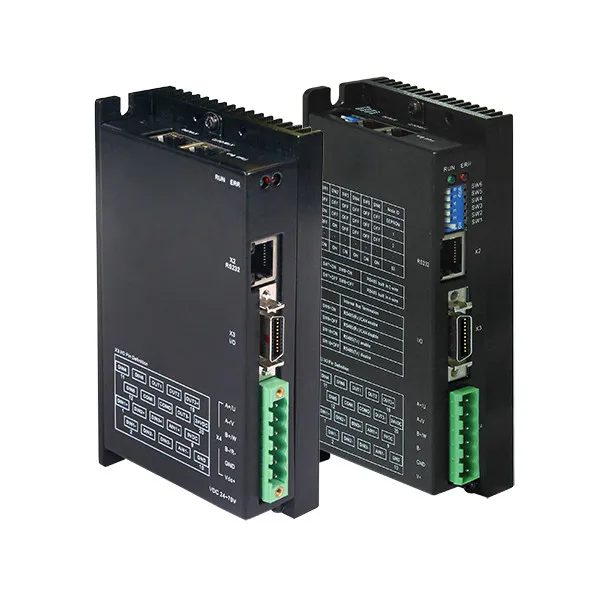
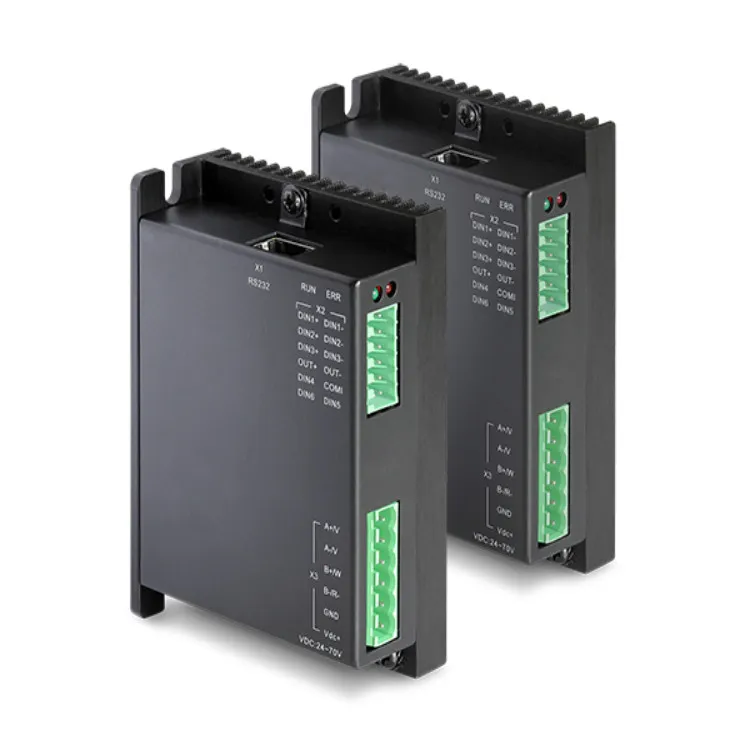
The Field Bus Stepper Driver is a great option for reducing vibration in stepper systems. It offers high-resolution control, as well as advanced features such as microstepping and current control.
3. Adjust the Driver Settings
Adjusting the driver settings can also help to reduce vibration in the stepper system. Make sure to set the correct current and voltage for the motor, as well as the correct step resolution.
Microstepping is a technique that can be used to reduce vibration in stepper systems. Microstepping divides each full step into smaller steps, allowing the motor to move more smoothly. Most high-resolution drivers support microstepping, so make sure to enable this feature if your driver supports it.
4. Balance the Load
Balancing the load can help to reduce vibration in the stepper system. If the load is not balanced, it can cause the motor to struggle to move the load, leading to vibration.
Make sure to distribute the load evenly across the motor shaft, and use a coupling or belt to connect the motor to the load. This will help to ensure that the motor can move the load smoothly.
5. Dampen the Vibration
Dampening the vibration can also help to reduce the impact of vibration on the stepper system. There are several ways to dampen the vibration, including:
- Using a Vibration Damper: A vibration damper is a device that can be used to absorb and dissipate the vibration energy. There are several types of vibration dampers available, including rubber mounts, spring mounts, and viscous dampers.
- Adding Mass to the System: Adding mass to the system can help to reduce the vibration by increasing the inertia of the system. This can be done by adding a weight to the motor or the load.
- Using a Soft Start/Stop Function: A soft start/stop function can help to reduce the vibration by gradually increasing or decreasing the speed of the motor. This can be done using the driver settings or a separate controller.
Conclusion
Reducing the vibration of a stepper system is essential for ensuring its performance, accuracy, and lifespan. By choosing the right motor, using a high-resolution driver, adjusting the driver settings, balancing the load, and dampening the vibration, you can significantly reduce the vibration in your stepper system.
If you're looking for a reliable supplier of stepper systems, look no further! We offer a wide range of stepper motors, drivers, and other components to meet your needs. Contact us today to discuss your requirements and get a quote. We're always happy to help you find the best solution for your application.
References
- "Stepper Motor Handbook" by Oriental Motor
- "Motion Control Basics" by Parker Hannifin
- "Stepper Motor Drives: Technology and Applications" by John Wiley & Sons