
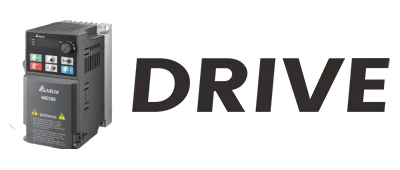
Upgrading an existing industrial Variable Frequency Drive (VFD) can be a strategic move for businesses aiming to enhance efficiency, reduce energy consumption, and improve overall system performance. As an industrial VFD supplier, I have witnessed firsthand the transformative impact of VFD upgrades on various industrial applications. In this blog post, I will share some valuable insights on how to upgrade an existing industrial VFD effectively.
Assessing the Current VFD
Before embarking on an upgrade, it is crucial to conduct a thorough assessment of the existing VFD. This involves evaluating its performance, functionality, and compatibility with the current industrial setup. Here are some key aspects to consider:
- Performance Metrics: Review the VFD's operating parameters, such as output power, frequency range, and motor speed control. Identify any performance issues, such as overheating, frequent trips, or inaccurate speed regulation.
- Functionality: Determine the specific functions and features required for your industrial application. Check if the existing VFD supports these functions or if there are any limitations that need to be addressed.
- Compatibility: Assess the compatibility of the existing VFD with the motor, power supply, and other components in the system. Ensure that the upgrade will not cause any compatibility issues or require significant modifications to the existing infrastructure.
Identifying Upgrade Requirements
Based on the assessment of the current VFD, you can identify the specific upgrade requirements for your industrial application. Here are some common upgrade scenarios and considerations:
- Increased Power and Capacity: If your industrial process requires higher power output or increased motor capacity, you may need to upgrade to a VFD with a larger power rating. This can help improve system performance and prevent overloading of the existing VFD.
- Enhanced Control and Functionality: Modern VFDs offer a wide range of advanced control features, such as vector control, sensorless vector control, and PID control. Upgrading to a VFD with these features can provide more precise motor control, improve energy efficiency, and enhance overall system performance.
- Improved Energy Efficiency: Energy efficiency is a major concern for many industrial businesses. Upgrading to a VFD with energy-saving features, such as automatic energy optimization and regenerative braking, can help reduce energy consumption and lower operating costs.
- Compatibility with New Technologies: As technology continues to evolve, it is important to ensure that your VFD is compatible with new industrial technologies, such as IoT (Internet of Things) and Industry 4.0. Upgrading to a VFD with built-in communication interfaces and connectivity options can enable seamless integration with these technologies and provide real-time monitoring and control capabilities.
Selecting the Right VFD
Once you have identified the upgrade requirements, the next step is to select the right VFD for your industrial application. Here are some factors to consider when choosing a VFD:
- Power Rating: Select a VFD with a power rating that matches the requirements of your motor and industrial process. It is important to choose a VFD with a slightly higher power rating than the actual load to ensure reliable operation and prevent overheating.
- Control Features: Consider the specific control features and functions required for your industrial application. Look for a VFD that offers the necessary control modes, such as speed control, torque control, or position control, and has the flexibility to be customized to your specific needs.
- Energy Efficiency: Look for a VFD with energy-saving features, such as automatic energy optimization, regenerative braking, and variable voltage/frequency control. These features can help reduce energy consumption and lower operating costs.
- Reliability and Durability: Industrial environments can be harsh and demanding, so it is important to choose a VFD that is reliable and durable. Look for a VFD with a high-quality construction, robust components, and a proven track record of reliability in industrial applications.
- Compatibility and Integration: Ensure that the VFD is compatible with your existing motor, power supply, and other components in the system. Look for a VFD with built-in communication interfaces and connectivity options that enable seamless integration with other industrial technologies, such as PLCs (Programmable Logic Controllers) and SCADA (Supervisory Control and Data Acquisition) systems.
Installing and Commissioning the New VFD
Once you have selected the right VFD, the next step is to install and commission it. Here are some important steps to follow during the installation and commissioning process:
- Read the Manual: Before installing the VFD, carefully read the manufacturer's installation and commissioning manual. This will provide you with detailed instructions on how to install the VFD safely and correctly, as well as how to configure and commission it for your specific application.
- Prepare the Installation Site: Ensure that the installation site is clean, dry, and well-ventilated. Provide adequate space around the VFD for easy access and maintenance. Install the VFD on a suitable mounting surface and secure it firmly using the appropriate mounting hardware.
- Connect the Wires: Follow the wiring diagram provided in the installation manual to connect the VFD to the motor, power supply, and other components in the system. Use the appropriate wire sizes and types, and ensure that all connections are tight and secure.
- Configure the VFD: Use the VFD's control panel or programming software to configure the VFD for your specific application. Set the operating parameters, such as motor rated power, voltage, frequency, and speed, as well as the control modes and functions.
- Test and Commission the VFD: Once the VFD is installed and configured, perform a series of tests to ensure that it is working properly. Start the motor and gradually increase the speed to the desired operating point. Monitor the VFD's performance and check for any abnormal readings or alarms. Make any necessary adjustments to the operating parameters to optimize the VFD's performance.
Training and Support
Upgrading an industrial VFD can be a complex process, and it is important to ensure that your staff is properly trained to operate and maintain the new VFD. Here are some training and support options to consider:
- Manufacturer Training: Many VFD manufacturers offer training courses and workshops on VFD installation, commissioning, operation, and maintenance. These courses can provide your staff with the knowledge and skills they need to operate and maintain the new VFD effectively.
- Online Resources: There are many online resources available, such as video tutorials, user manuals, and technical forums, that can provide your staff with additional information and support on VFD operation and maintenance.
- Technical Support: Ensure that you have access to technical support from the VFD manufacturer or your supplier. This can help you troubleshoot any problems or issues that may arise during the installation, commissioning, or operation of the VFD.
Conclusion
Upgrading an existing industrial VFD can be a significant investment, but it can also provide many benefits, such as improved efficiency, reduced energy consumption, and enhanced system performance. By following the steps outlined in this blog post, you can upgrade your industrial VFD effectively and ensure that it meets the specific requirements of your industrial application.
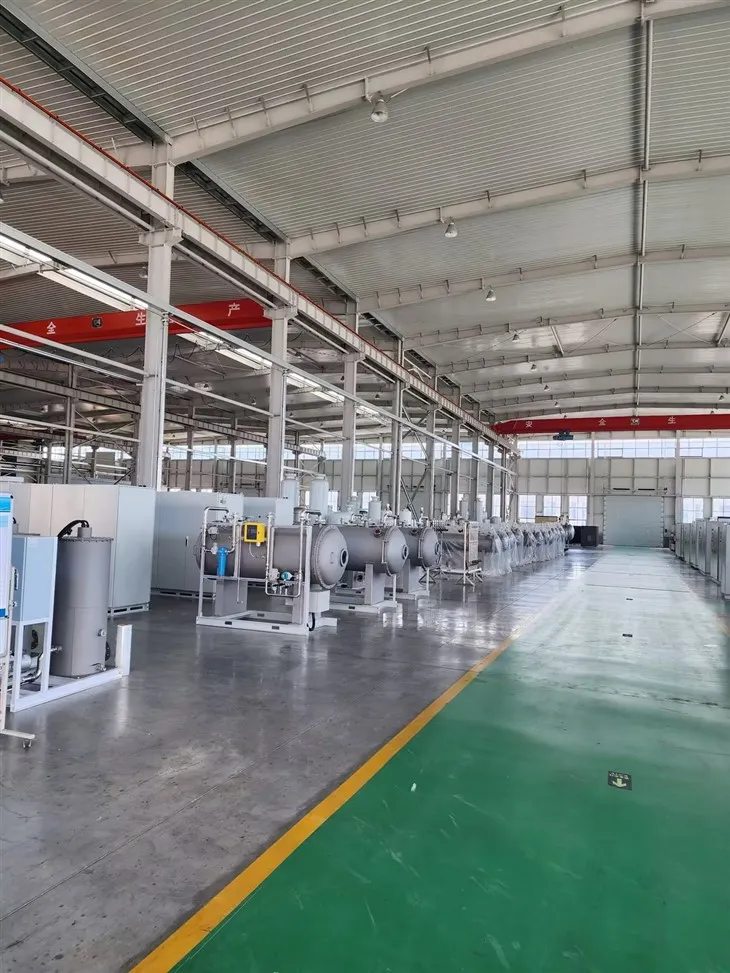
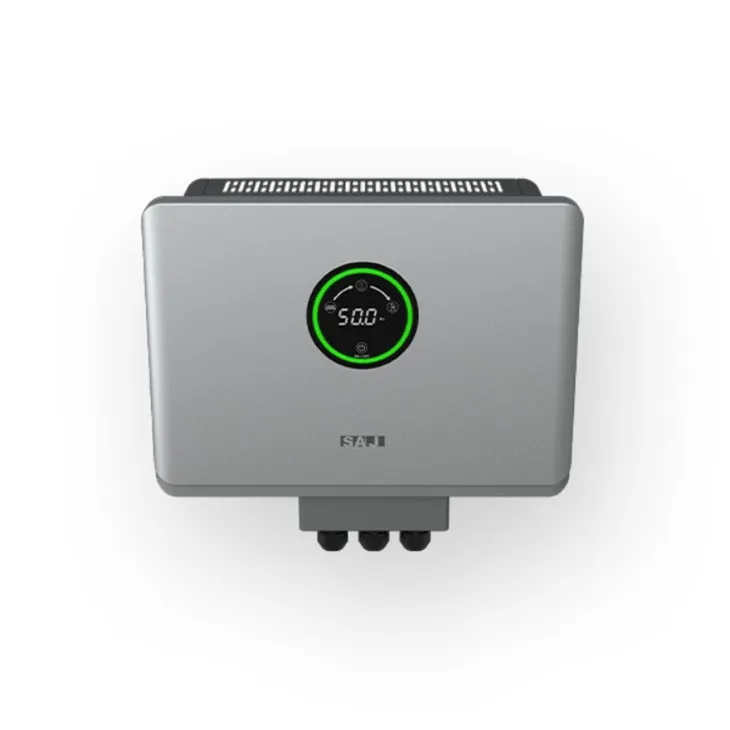
If you are considering upgrading your industrial VFD, I encourage you to contact us to discuss your specific needs and requirements. As an industrial VFD supplier, we have the expertise and experience to help you select the right VFD for your application and provide you with the support and training you need to ensure a successful upgrade.
References
- "Variable Frequency Drives: Principles, Operation, and Application" by D. W. Novotny and T. A. Lipo
- "Industrial Motor Control" by Thomas H. Pearson
- "Power Electronics: Converters, Applications, and Design" by Ned Mohan, Tore M. Undeland, and William P. Robbins