
Microstepping is a technique used in stepper systems that divides each full step of a stepper motor into smaller, more precise movements. As a leading supplier of stepper systems, we've witnessed firsthand the transformative impact of microstepping on various applications. In this blog, we'll explore the numerous advantages of microstepping in a stepper system, shedding light on why it's an essential feature for modern motion control.
1. Enhanced Positioning Resolution
One of the most significant advantages of microstepping is the substantial improvement in positioning resolution. Traditional full - step operation of a stepper motor divides the motor's rotation into discrete steps. For example, a standard 200 - step per revolution stepper motor has a step angle of 1.8 degrees. However, when microstepping is employed, each full step can be divided into multiple microsteps.
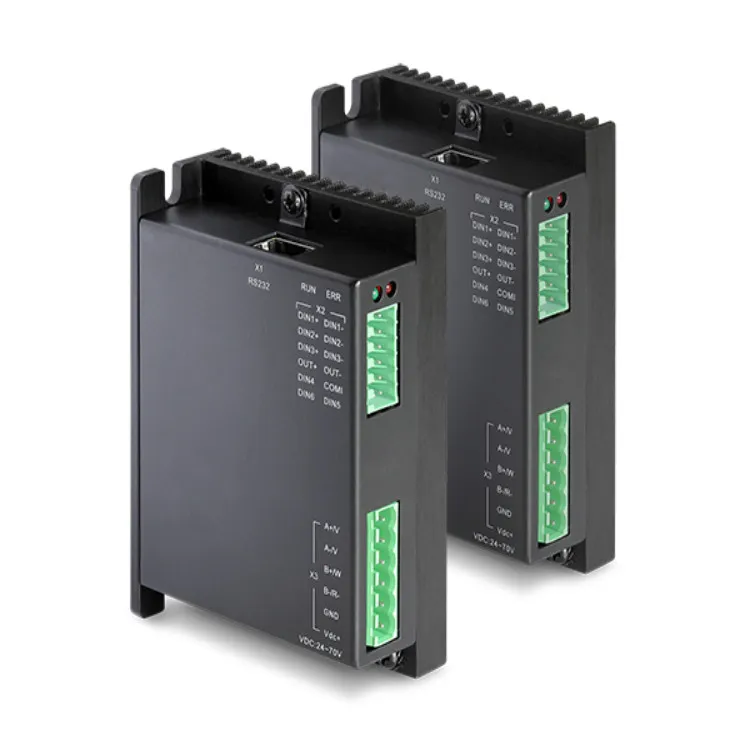
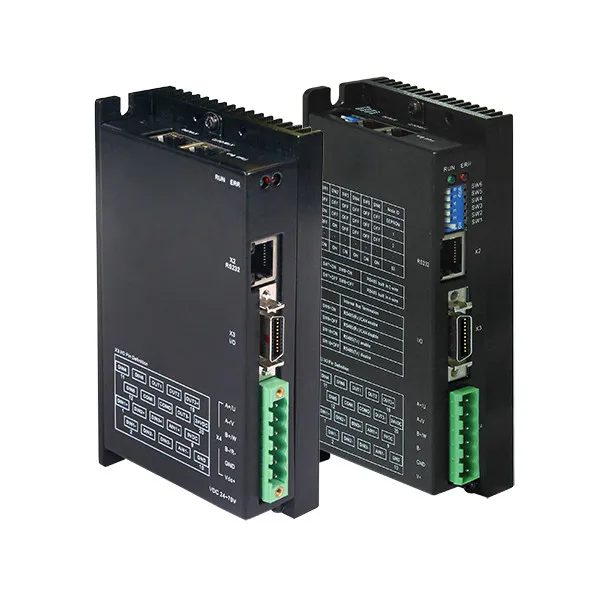
Let's say we use 16 - microstep per full - step mode. The effective step angle is reduced to 1.8 / 16 = 0.1125 degrees. This finer step resolution allows for much more precise positioning of the motor shaft. In applications such as CNC machining, where accuracy is crucial, microstepping enables the creation of more detailed and intricate parts. The ability to control the motor's movement in such small increments means that the machine can follow complex tool paths with greater precision, resulting in higher - quality finished products.
2. Smoother Motion
Full - step operation of a stepper motor can result in jerky or uneven motion, especially at low speeds. This is because the motor moves in discrete steps, and the transition between steps can cause vibrations. Microstepping addresses this issue by providing a more continuous and smoother motion profile.
When a stepper motor operates in microstep mode, the current in the motor windings is gradually adjusted to move the motor in smaller increments. This gradual change in current reduces the sudden torque changes that occur during full - step operation, minimizing vibrations and producing a smoother rotation. In applications like 3D printing, smooth motion is essential for creating high - quality prints. The smooth movement of the print head ensures that the layers of filament are applied evenly, reducing the appearance of visible layer lines and improving the overall surface finish of the printed object.
3. Reduced Audible Noise
The jerky motion associated with full - step operation of a stepper motor often generates audible noise. This noise can be a significant drawback in applications where a quiet operating environment is required, such as in medical equipment or office automation. Microstepping significantly reduces this noise by providing a more gentle and continuous movement.
The reduced vibrations and smoother torque transitions in microstep mode result in less mechanical stress on the motor and its associated components. This, in turn, reduces the amount of noise generated during operation. For example, in a laboratory setting, where sensitive experiments are being conducted, a quiet stepper motor system is essential to avoid interfering with the measurements. Our 3 Phase Stepper Motor with microstepping capabilities offers a quiet and reliable solution for such applications.
4. Higher Torque at Low Speeds
In full - step operation, the torque output of a stepper motor can drop significantly at low speeds. This is due to the fact that the motor has to overcome the inertia of the load and the static friction at low rotational speeds. Microstepping helps to maintain a higher torque output at low speeds.
By dividing each full step into smaller microsteps, the motor can apply a more consistent torque to the load. The gradual change in current in the motor windings allows the motor to better overcome the static friction and inertia, resulting in a more stable and higher torque output at low speeds. In applications such as robotics, where precise control of movement at low speeds is required, the higher torque provided by microstepping enables the robot to perform tasks with greater accuracy and reliability.
5. Improved System Efficiency
Microstepping can also lead to improved system efficiency. In full - step operation, the motor may consume more power than necessary to move the load, especially when there are sudden torque changes between steps. Microstepping, on the other hand, allows for a more efficient use of electrical energy.
The gradual adjustment of the current in the motor windings in microstep mode ensures that the motor is using only the amount of power required to move the load. This reduces the overall power consumption of the system, which is beneficial in applications where energy efficiency is a priority, such as battery - powered devices. Our Field Bus Stepper Driver is designed to optimize the microstepping operation, further enhancing the system's energy efficiency.
6. Compatibility with a Wide Range of Loads
Microstepping makes stepper systems more versatile and compatible with a wide range of loads. Different loads have different inertia and friction characteristics, and a stepper motor operating in full - step mode may struggle to handle certain loads effectively. Microstepping provides a more flexible solution.
The ability to adjust the step size and the smoother torque output allow the stepper motor to adapt to various load conditions. Whether it's a light - load application like a small - scale automation system or a heavy - load application like a large - format CNC router, microstepping enables the motor to provide the necessary torque and precision. For example, our 2 Phase Stepper Motor with microstepping capabilities can be used in a variety of applications, from consumer electronics to industrial machinery.
7. Easier System Integration
In modern motion control systems, ease of integration is a crucial factor. Microstepping simplifies the integration process of stepper systems into larger systems. The smoother motion and reduced noise make it easier to interface the stepper motor with other components, such as sensors and controllers.
The higher positioning resolution provided by microstepping also means that less external feedback may be required in some applications. This reduces the complexity of the control system and makes it easier to design and implement. For example, in a pick - and - place machine, the precise positioning and smooth motion of the stepper motor allow for seamless integration with the vision system and the gripper mechanism, improving the overall performance of the machine.
Conclusion
In conclusion, microstepping offers a multitude of advantages in a stepper system. From enhanced positioning resolution and smoother motion to reduced noise and improved efficiency, it's clear that microstepping is a valuable technique for modern motion control applications. As a supplier of stepper systems, we're committed to providing our customers with high - quality products that leverage the benefits of microstepping.
If you're looking for a reliable stepper system that can meet your specific requirements, we invite you to contact us for a detailed discussion. Our team of experts is ready to assist you in selecting the right stepper motor and driver combination for your application. Whether you need a high - precision system for a research project or a robust solution for industrial automation, we have the expertise and products to meet your needs.
References
- "Stepper Motor Handbook" by GlobalSpec
- "Motion Control Basics" by Baldor Electric Company
- "Microstepping: A Guide to Understanding and Implementing" by Trinamic Motion Control GmbH & Co. KG