
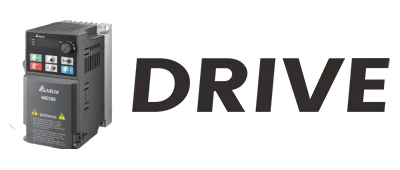
When it comes to industrial operations, Variable Frequency Drives (VFDs) play a pivotal role in controlling the speed and torque of electric motors. As an industrial VFD supplier, I've witnessed firsthand the importance of power factor in the efficient functioning of these drives. A low power factor can lead to increased energy consumption, higher electricity bills, and potential penalties from utility companies. In this blog post, I'll share some effective ways to improve the power factor when using an industrial VFD.
Understanding Power Factor
Before delving into the methods of improving power factor, it's essential to understand what it is. Power factor is the ratio of real power (measured in kilowatts, kW) to apparent power (measured in kilovolt - amperes, kVA). It represents how effectively electrical power is being converted into useful work. A power factor of 1 (or 100%) means that all the electrical power is being used for useful work, while a lower power factor indicates that a portion of the power is being wasted.
In industrial VFDs, the power factor can be affected by various factors such as the type of load, the design of the drive, and the operating conditions. For example, non - linear loads like VFDs can cause harmonic distortion, which in turn lowers the power factor.
Ways to Improve Power Factor in Industrial VFDs
1. Use of Power Factor Correction Capacitors
Power factor correction capacitors are one of the most common and cost - effective ways to improve the power factor. These capacitors work by supplying reactive power to the system, which offsets the reactive power drawn by the VFD and the connected load. By reducing the reactive power, the apparent power is decreased, and the power factor is increased.
When installing power factor correction capacitors, it's crucial to size them correctly. Oversized capacitors can cause over - correction, leading to voltage instability and potential damage to the equipment. On the other hand, undersized capacitors may not provide sufficient reactive power to improve the power factor effectively. As an industrial VFD supplier, we can assist customers in selecting the right size of capacitors based on their specific VFD and load requirements.
2. Active Power Factor Correction (APFC) Devices
Active Power Factor Correction devices are more advanced than passive capacitors. These devices use power electronics to continuously monitor and adjust the power factor in real - time. They can correct the power factor to near unity (close to 1) under a wide range of operating conditions.
APFC devices are particularly useful in applications where the load varies significantly. For example, in industries where the VFD - driven motors are frequently started and stopped, or where the load changes rapidly, APFC devices can maintain a high power factor at all times. Although APFC devices are more expensive than power factor correction capacitors, their long - term benefits in terms of energy savings and improved system performance often justify the cost.
3. Selecting High - Efficiency VFDs
The efficiency of a VFD itself can have a significant impact on the power factor. High - efficiency VFDs are designed to minimize losses and operate with a higher power factor. When choosing a VFD, look for models with a high power factor rating.
Some modern VFDs are equipped with advanced features such as sinusoidal filters and multi - pulse rectifiers. Sinusoidal filters help to reduce harmonic distortion, which improves the power factor. Multi - pulse rectifiers, on the other hand, can reduce the harmonic content in the input current, resulting in a higher power factor. As an industrial VFD supplier, we offer a range of high - efficiency VFDs that can help our customers achieve better power factor performance.
4. Proper Sizing of VFDs
Proper sizing of the VFD is crucial for maintaining a good power factor. An oversized VFD will operate at a lower load factor, which can lead to a lower power factor. Conversely, an undersized VFD may not be able to handle the load properly, causing overheating and potential damage to the drive.
When sizing a VFD, consider the motor's rated power, torque requirements, and the expected operating conditions. Our team of experts at [our company, but not provided as per instruction] can help customers accurately size the VFD for their specific applications, ensuring optimal power factor performance.
5. System Design and Layout
The overall system design and layout can also affect the power factor. For example, keeping the length of the cables between the VFD and the motor as short as possible can reduce the impedance and improve the power factor. Additionally, proper grounding and shielding of the cables can help to reduce electromagnetic interference, which can have a negative impact on the power factor.
In multi - drive systems, proper coordination between the VFDs is essential. By staggering the start - up times of the VFDs, the peak demand can be reduced, which can improve the overall power factor of the system.
Applications and Related Products
Our industrial VFDs are suitable for a wide range of applications. For example, in the solar pumping industry, our Solar Pump Inverter can be used to control the speed of the solar - powered water pumps. These inverters are designed to operate efficiently under varying solar conditions, and by implementing the power factor improvement methods mentioned above, customers can further enhance the energy efficiency of their solar pumping systems.
In the ozone generation industry, our Ozone Generator Power Supply provides stable and reliable power to the ozone generators. Maintaining a high power factor in these applications is crucial for reducing energy costs and ensuring the long - term performance of the ozone generators.
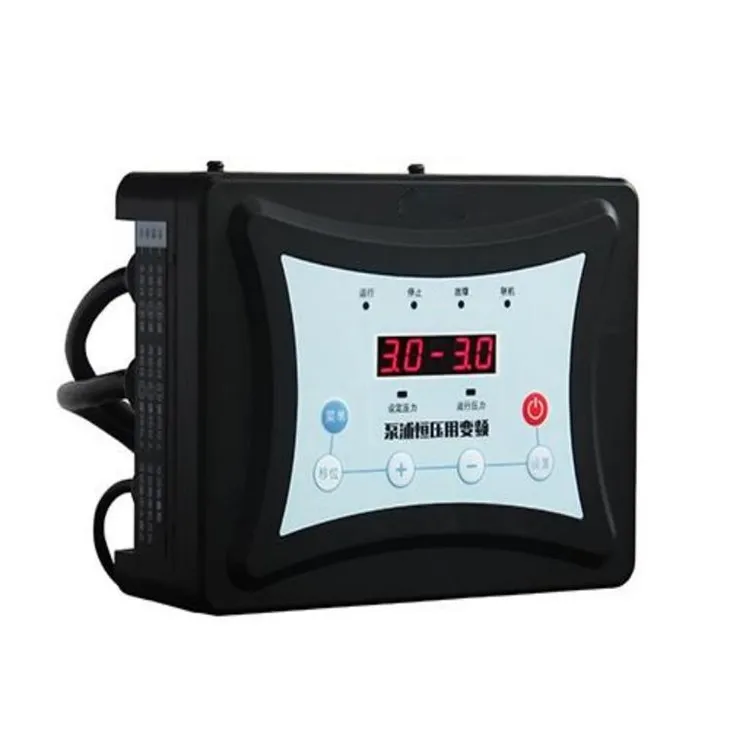
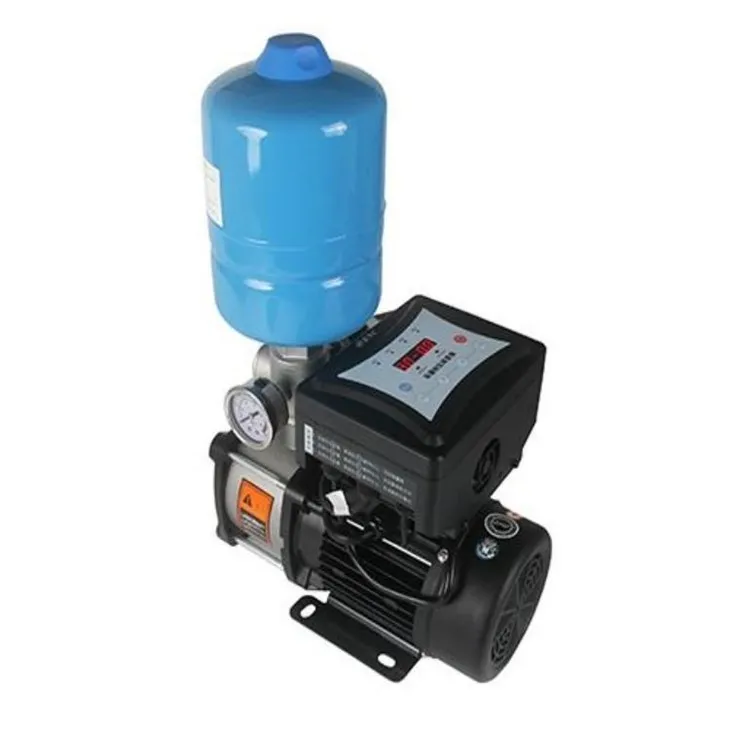
For water pumping applications, our Water Pump Inverter offers precise control over the pump speed. By improving the power factor, customers can save on energy consumption and extend the lifespan of the pumps.
Conclusion
Improving the power factor when using an industrial VFD is essential for reducing energy costs, improving system efficiency, and avoiding penalties from utility companies. By using power factor correction capacitors, active power factor correction devices, selecting high - efficiency VFDs, proper sizing of VFDs, and paying attention to system design and layout, customers can achieve significant improvements in power factor performance.
As an industrial VFD supplier, we are committed to providing our customers with high - quality VFDs and expert advice on power factor improvement. If you are interested in learning more about our products or need assistance in improving the power factor of your industrial VFD system, please feel free to contact us for a consultation. We look forward to working with you to optimize your industrial operations.
References
- "Power Factor Correction Handbook" by Schneider Electric
- "Variable Frequency Drives: Selection, Application, and Maintenance" by William B. Bose