
Hey there! As a supplier of HMI (Human-Machine Interface) sizes, I've been getting a lot of questions lately about what HMI sizes are used in railway signaling control systems. So, I thought I'd take some time to break it down for you.
Railway signaling control systems are super important. They're responsible for ensuring the safe and efficient operation of trains. And the HMI is a key part of these systems because it's how operators interact with the controls and get all the important info they need.
Factors Influencing HMI Size Selection
Before we dive into the specific sizes, let's talk about the factors that influence the choice of HMI size in railway signaling control systems.
Space Constraints
The first thing to consider is the physical space available in the control room or the train cab. In some older railway systems, there might not be a lot of room for a big HMI. So, smaller sizes are often preferred. On the other hand, in modern, newly built control centers, there's usually more space, which allows for larger HMIs.
Information Density
Railway signaling involves a ton of information. You've got train schedules, track status, signal indications, and more. The amount of information that needs to be displayed at once plays a big role in determining the HMI size. If there's a high density of information, a larger HMI will be better because it can show more data without overcrowding the screen.
Operator Comfort
Operators need to be able to view and interact with the HMI easily for long periods. A size that's too small can cause eye strain and make it difficult to operate the controls accurately. So, operator comfort is a crucial factor in choosing the right HMI size.
Common HMI Sizes in Railway Signaling Control Systems
Now, let's look at some of the most common HMI sizes used in railway signaling control systems.
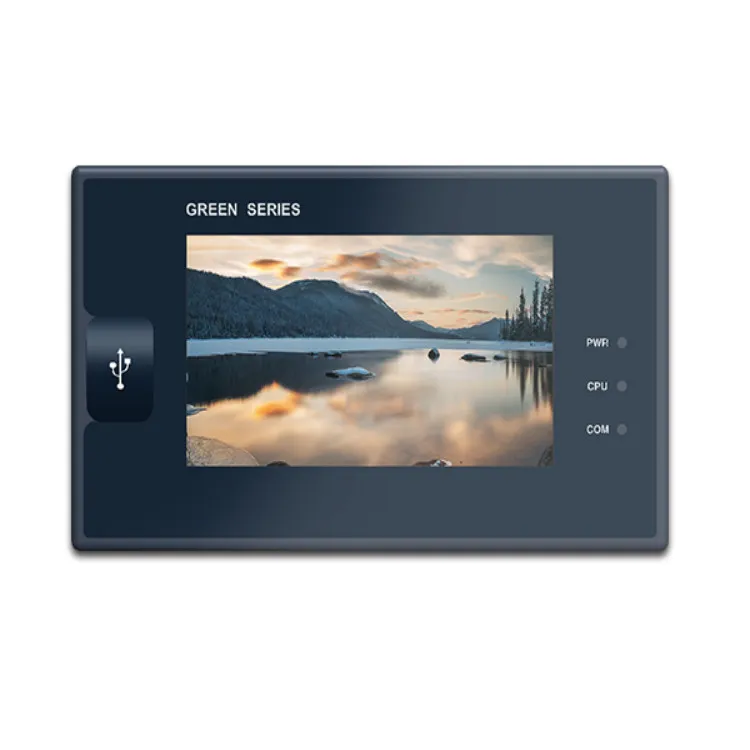
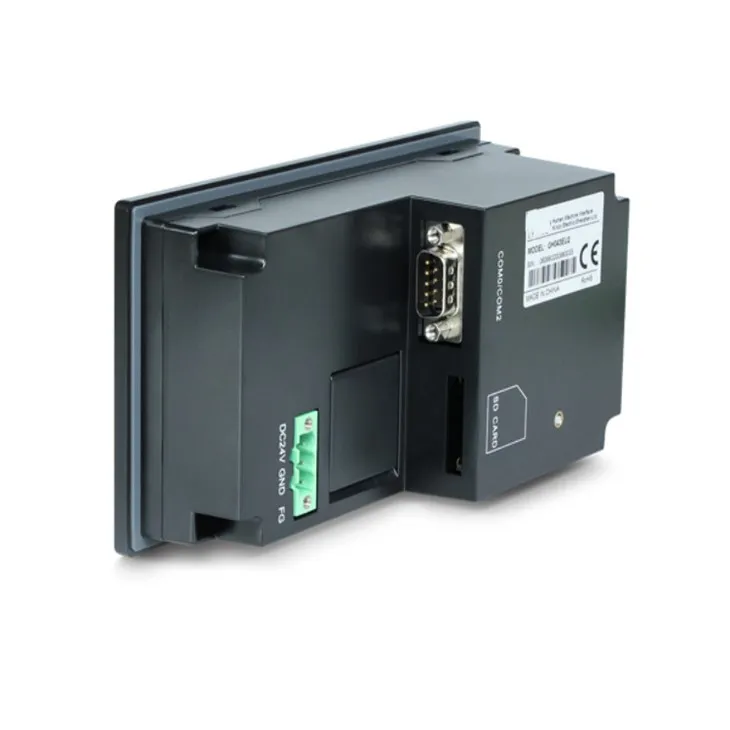
4.3 Inch HMI
The 4.3 Inch HMI is a popular choice for applications where space is extremely limited. It's often used in train cabs or small control panels where there's not much room for a larger display. Despite its small size, it can still display essential information such as basic signal indications, speed limits, and simple status messages. It's also relatively inexpensive, which makes it a cost-effective option for some railway projects.
7 Inch HMI
The 7 Inch HMI strikes a good balance between size and functionality. It's larger than the 4.3-inch HMI, so it can display more information in a clearer way. This size is commonly used in both train cabs and control rooms. In train cabs, it can show more detailed track maps and additional train status information. In control rooms, it can be used as a secondary display for specific functions or in areas where space is somewhat limited but more information needs to be shown compared to a 4.3-inch HMI.
10.1 Inch HMI
The 10.1 Inch HMI is a great option for control rooms where there's plenty of space and a high density of information needs to be displayed. It can show comprehensive track layouts, multiple train schedules, and detailed system status reports. This size provides a more immersive and user-friendly experience for operators, allowing them to easily monitor and control all aspects of the railway signaling system.
Other Considerations
In addition to the size, there are other factors to keep in mind when choosing an HMI for railway signaling control systems.
Display Resolution
A high-resolution display is essential for clear and accurate information presentation. Even a small HMI can benefit from a high resolution, as it makes the text and graphics easier to read.
Touchscreen Functionality
Many modern HMIs come with touchscreen capabilities. This makes it easier for operators to interact with the system, especially when they need to make quick adjustments or selections.
Durability
Railway environments can be harsh, with factors such as vibration, temperature variations, and dust. So, the HMI needs to be durable and able to withstand these conditions.
Why Choose Our HMI Sizes?
As a supplier, we understand the unique requirements of railway signaling control systems. Our HMIs are designed with high-quality materials and advanced technology to ensure reliability and performance. We offer a range of sizes, including the popular 4.3-inch, 7-inch, and 10.1-inch options, to meet the diverse needs of our customers.
Our HMIs also come with high-resolution displays and touchscreen functionality, providing a user-friendly experience for operators. And we make sure that our products are durable enough to withstand the tough railway environment.
Let's Talk!
If you're involved in a railway signaling project and need to choose the right HMI size, I'd love to help. Whether you're looking for a small, space-saving option or a large, high-capacity display, we've got you covered. Reach out to us, and we can discuss your specific requirements and find the perfect HMI solution for your project.
References
- Railway Signaling Handbook, various editions
- Industry reports on railway control system technologies