
Hey there! As a supplier of stepper systems, I've been getting a lot of questions lately about the dynamic performance of these systems. So, I thought I'd take the time to break it down for you and explain what it all means.
First off, let's talk about what a stepper system is. A stepper system is a type of motor control system that uses a stepper motor to convert electrical pulses into precise mechanical movements. These systems are commonly used in a variety of applications, including robotics, CNC machines, 3D printers, and more.
The dynamic performance of a stepper system refers to how well the system can respond to changes in input signals and maintain accurate positioning under different operating conditions. There are several key factors that affect the dynamic performance of a stepper system, including torque, speed, acceleration, and resolution.
Torque is the rotational force produced by the stepper motor. It's an important factor in determining the system's ability to move heavy loads or overcome friction. The torque of a stepper motor is typically specified in terms of holding torque, which is the maximum torque the motor can produce when it's stationary, and dynamic torque, which is the torque the motor can produce while it's in motion.
Speed is another important factor in the dynamic performance of a stepper system. The speed of a stepper motor is determined by the frequency of the input pulses. The higher the frequency, the faster the motor will rotate. However, as the speed increases, the torque output of the motor decreases. This means that there's a trade-off between speed and torque, and you need to find the right balance for your application.
Acceleration is the rate at which the motor can increase its speed. A stepper system with high acceleration can quickly reach its maximum speed, which is important for applications that require rapid movements. However, high acceleration also requires more torque, which can limit the system's performance.
Resolution is the smallest increment of movement that the stepper system can achieve. It's determined by the number of steps per revolution of the motor and the microstepping mode of the driver. A higher resolution means that the system can move more precisely, which is important for applications that require high accuracy.
Now that we've covered the key factors that affect the dynamic performance of a stepper system, let's take a look at some of the different types of stepper motors and drivers that are available.
One of the most common types of stepper motors is the 2 Phase Stepper Motor. These motors have two windings, which are energized in a specific sequence to produce rotation. 2 phase stepper motors are relatively simple and inexpensive, but they have a lower torque output and lower resolution compared to other types of stepper motors.
Another type of stepper motor is the 3 Phase Stepper Motor. These motors have three windings, which are energized in a specific sequence to produce rotation. 3 phase stepper motors have a higher torque output and higher resolution compared to 2 phase stepper motors, but they are also more complex and expensive.
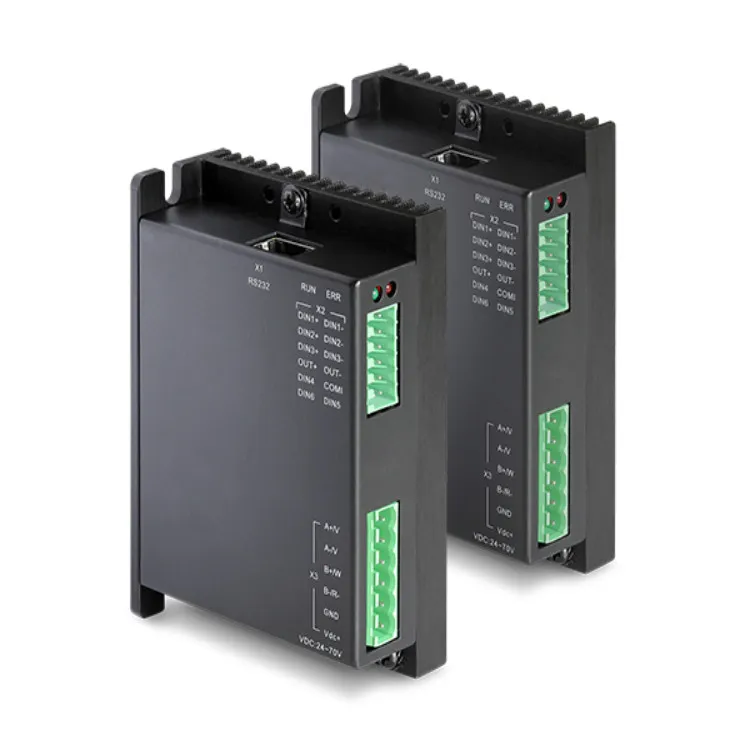
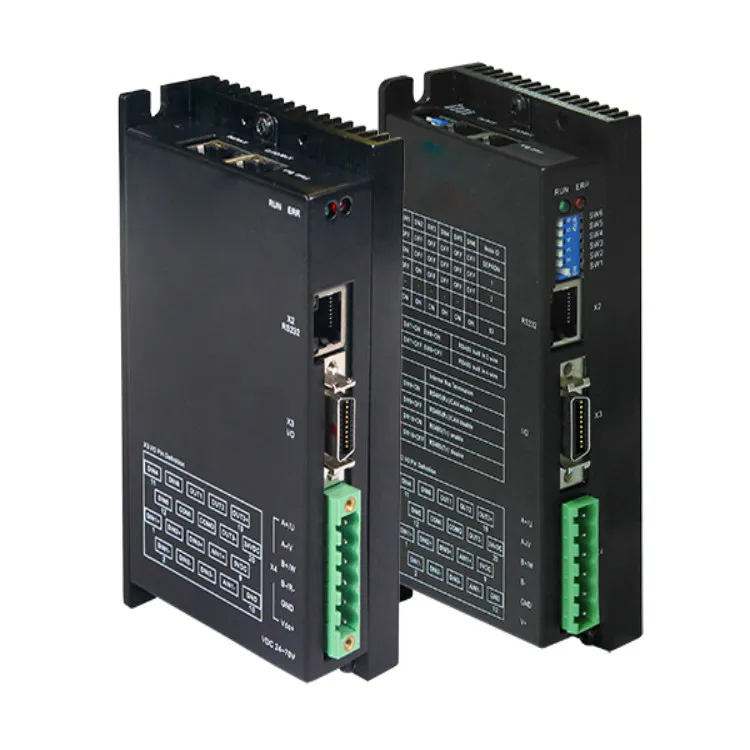
In addition to the type of stepper motor, the driver is also an important factor in the dynamic performance of a stepper system. The driver is responsible for converting the input signals from the controller into the electrical pulses that are sent to the motor. There are several different types of stepper drivers available, including full-step drivers, half-step drivers, and microstepping drivers.
Full-step drivers energize the windings of the motor in a simple on/off pattern, which produces a relatively large step size. Half-step drivers energize the windings in a more complex pattern, which produces a smaller step size and smoother movement. Microstepping drivers use a technique called microstepping to divide each step into smaller increments, which produces an even smaller step size and smoother movement.
One of the latest advancements in stepper driver technology is the Field Bus Stepper Driver. These drivers use a field bus communication protocol, such as CANopen or Modbus, to communicate with the controller. This allows for more advanced control and monitoring of the stepper system, as well as the ability to integrate the system with other devices on the network.
So, how do you choose the right stepper system for your application? The first step is to determine your requirements in terms of torque, speed, acceleration, and resolution. Once you have a clear understanding of your requirements, you can start to evaluate different types of stepper motors and drivers to find the one that best meets your needs.
It's also important to consider the cost and complexity of the system. A more advanced stepper system with higher performance and features will typically be more expensive and complex to install and maintain. On the other hand, a simpler system with lower performance and features may be more affordable and easier to use, but it may not meet all of your requirements.
If you're still not sure which stepper system is right for your application, don't hesitate to contact us. We have a team of experts who can help you evaluate your requirements and recommend the best stepper system for your needs. We also offer a wide range of stepper motors and drivers, as well as custom solutions to meet your specific requirements.
In conclusion, the dynamic performance of a stepper system is an important factor to consider when choosing a motor control system for your application. By understanding the key factors that affect the dynamic performance of a stepper system, such as torque, speed, acceleration, and resolution, you can make an informed decision about which system is best for your needs. And if you need any help or advice along the way, don't hesitate to contact us. We're here to help you get the most out of your stepper system.
References
- "Stepper Motor Handbook" by Peter C. Sinervo
- "Motion Control Basics" by Danaher Motion