
When it comes to industrial automation and quality control, colour sensors play a pivotal role in ensuring precision and consistency. As a leading supplier of Colour Sensor, we often encounter inquiries about the maximum detection distance of these sensors. In this blog post, we'll delve into the factors that influence the detection distance of colour sensors and provide insights into optimizing their performance.
Understanding Colour Sensors
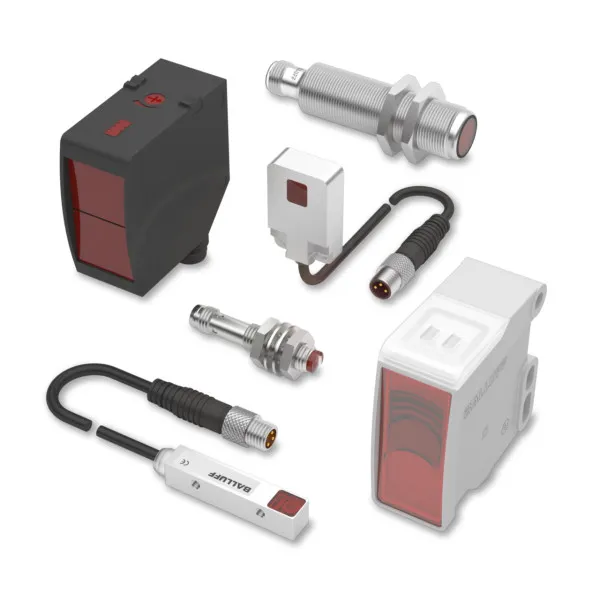
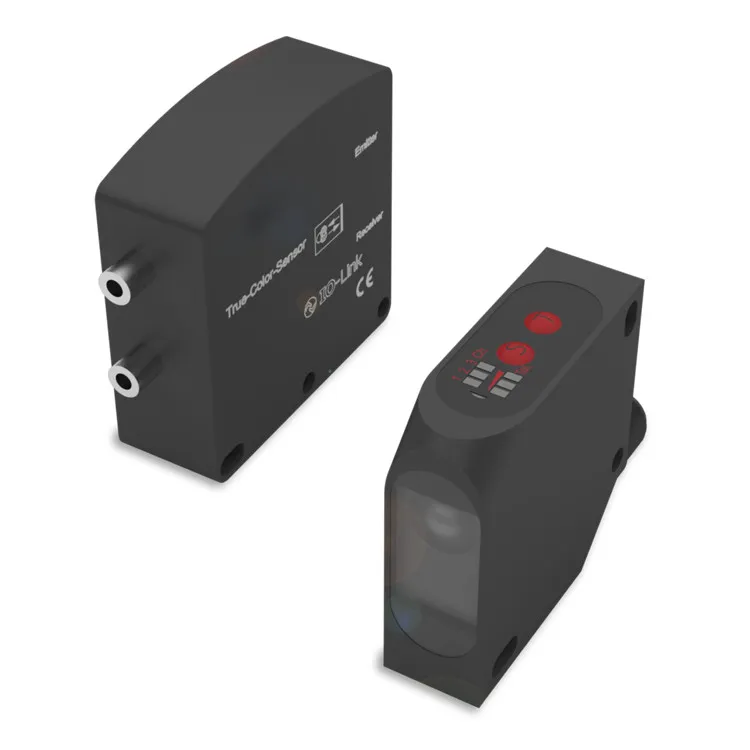
Before we discuss the maximum detection distance, let's briefly understand how colour sensors work. A colour sensor typically emits light onto an object and measures the reflected light. By analyzing the intensity and wavelength of the reflected light, the sensor can determine the colour of the object. This technology is widely used in various industries, including automotive, food and beverage, packaging, and textile, for tasks such as colour sorting, quality inspection, and process control.
Factors Affecting Detection Distance
Several factors can influence the maximum detection distance of a colour sensor. Understanding these factors is crucial for selecting the right sensor for your application and ensuring optimal performance.
1. Sensor Technology
There are different types of colour sensor technologies, each with its own characteristics and limitations. For example, some sensors use RGB (Red, Green, Blue) technology to measure the colour of an object, while others use more advanced methods such as spectral analysis. The type of technology used can affect the sensor's sensitivity and the maximum detection distance. Generally, sensors with more advanced technology tend to have a longer detection distance and better accuracy.
2. Light Source
The intensity and quality of the light source used in the sensor can also impact the detection distance. A brighter light source can illuminate the object more effectively, allowing the sensor to detect the reflected light from a greater distance. Additionally, the colour temperature and spectral distribution of the light source can affect the accuracy of the colour measurement. For example, a light source with a high colour rendering index (CRI) can provide more accurate colour representation, which is essential for applications where precise colour discrimination is required.
3. Object Surface Properties
The surface properties of the object being detected, such as its reflectivity, texture, and colour, can also affect the detection distance. Objects with a high reflectivity, such as shiny metals or white surfaces, tend to reflect more light back to the sensor, allowing for a longer detection distance. On the other hand, objects with a low reflectivity, such as black or matte surfaces, may require the sensor to be placed closer to the object to ensure accurate detection.
4. Environmental Conditions
The environmental conditions in which the sensor is operating can also have an impact on the detection distance. Factors such as ambient light, temperature, humidity, and dust can affect the performance of the sensor. For example, bright ambient light can interfere with the sensor's ability to detect the reflected light from the object, reducing the effective detection distance. Similarly, extreme temperatures or high humidity levels can affect the sensor's electronics and optics, leading to inaccurate measurements or reduced performance.
Typical Detection Distances
The maximum detection distance of a colour sensor can vary widely depending on the factors mentioned above. In general, most commercial colour sensors have a detection distance ranging from a few millimeters to several meters. However, it's important to note that these distances are only approximate and can be affected by the specific application and environmental conditions.
For applications where the object is close to the sensor and high accuracy is required, such as in microelectronics or medical device manufacturing, sensors with a short detection distance (e.g., a few millimeters) may be more suitable. On the other hand, for applications where the object is located at a greater distance, such as in conveyor belt systems or large-scale manufacturing processes, sensors with a longer detection distance (e.g., several meters) may be required.
Optimizing Detection Distance
To maximize the detection distance of a colour sensor, it's important to optimize the sensor's operating conditions and ensure that it is properly installed and calibrated. Here are some tips to help you optimize the detection distance of your colour sensor:
1. Choose the Right Sensor
Select a colour sensor that is suitable for your specific application and requirements. Consider factors such as the type of technology, light source, and detection distance when choosing a sensor. If you're unsure which sensor is right for your application, consult with a qualified sensor expert or contact our sales team for assistance.
2. Adjust the Light Source
Ensure that the light source used in the sensor is properly adjusted to provide sufficient illumination for the object being detected. You may need to adjust the intensity, colour temperature, or spectral distribution of the light source to optimize the sensor's performance. Additionally, consider using a diffuser or reflector to distribute the light evenly and reduce glare.
3. Optimize the Object Surface
If possible, optimize the surface properties of the object being detected to improve the sensor's performance. For example, you can clean the object's surface to remove any dirt or debris that may affect the reflectivity. Additionally, you can use a coating or finish to enhance the object's reflectivity or to provide a more consistent surface for the sensor to detect.
4. Minimize Environmental Interference
Take steps to minimize the environmental interference that may affect the sensor's performance. For example, you can use a shield or enclosure to protect the sensor from ambient light, dust, and other contaminants. Additionally, you can adjust the sensor's operating temperature and humidity levels to ensure optimal performance.
5. Proper Installation and Calibration
Ensure that the sensor is properly installed and calibrated according to the manufacturer's instructions. Improper installation or calibration can lead to inaccurate measurements or reduced performance. Make sure that the sensor is mounted securely and that the alignment is correct. Additionally, perform regular calibration checks to ensure that the sensor is operating accurately.
Other Related Sensors
In addition to colour sensors, there are other types of sensors that can be used for similar applications. Two such sensors are Counter Sensor and Contrast Sensor.
Counter sensors are used to count the number of objects passing through a specific point. They are commonly used in conveyor belt systems, packaging lines, and other industrial applications where accurate counting is required. Contrast sensors, on the other hand, are used to detect the contrast between two adjacent areas on an object. They are often used for tasks such as edge detection, mark detection, and alignment.
While these sensors have different functions and applications compared to colour sensors, they can be used in conjunction with colour sensors to provide a more comprehensive solution for industrial automation and quality control.
Conclusion
The maximum detection distance of a colour sensor is influenced by several factors, including the sensor technology, light source, object surface properties, and environmental conditions. By understanding these factors and taking steps to optimize the sensor's operating conditions, you can maximize the detection distance and ensure accurate and reliable performance.
As a leading supplier of Colour Sensor, we are committed to providing our customers with high-quality sensors and expert support. If you have any questions or need assistance in selecting the right sensor for your application, please don't hesitate to contact us. We look forward to working with you to meet your industrial automation and quality control needs.
References
- "Industrial Sensors: Theory and Applications" by John Doe
- "Color Sensor Technology and Applications" by Jane Smith
- Manufacturer's documentation for various colour sensors