
What is the maximum sampling rate of a contrast sensor?
As a supplier of Contrast Sensors, I often encounter inquiries from customers about the technical specifications of our products, with the maximum sampling rate being a frequently asked question. In this blog post, I will delve into the concept of the maximum sampling rate of a contrast sensor, its significance, and the factors that influence it.
Understanding Contrast Sensors
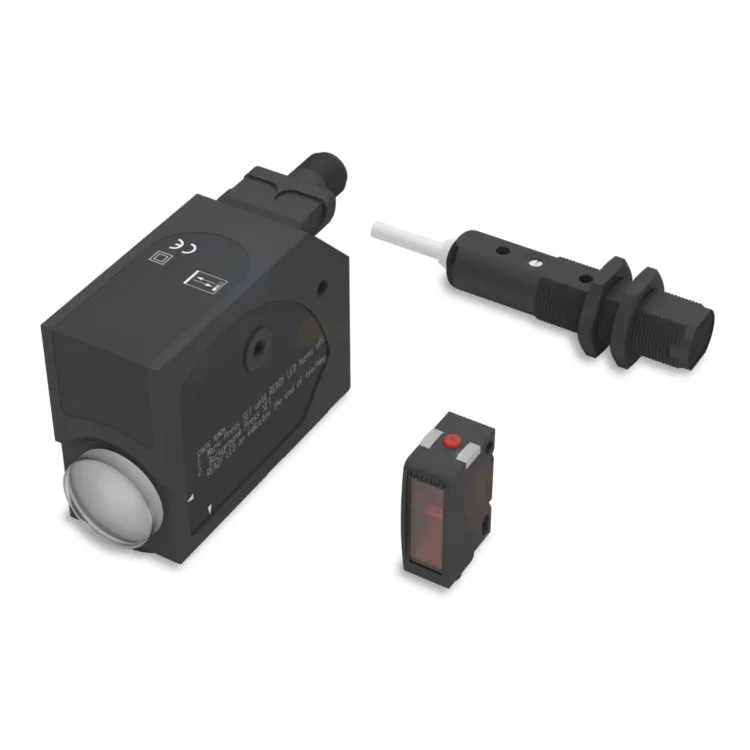
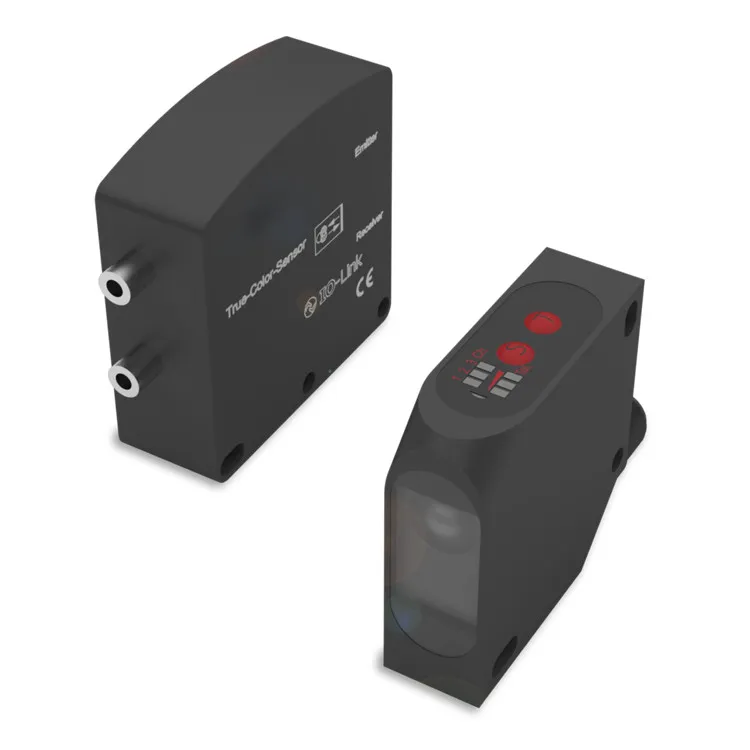
Before discussing the maximum sampling rate, it's essential to understand what a contrast sensor is and how it functions. A Contrast Sensor is a type of optoelectronic sensor that detects differences in contrast between two adjacent areas. It emits a light beam onto the target surface and measures the amount of reflected light. By comparing the intensity of the reflected light from different areas, the sensor can identify changes in contrast and trigger an output signal.
Contrast sensors are widely used in various industries, including packaging, printing, food and beverage, and automotive manufacturing. They are commonly employed for tasks such as detecting the presence or absence of labels, printed marks, or color changes on products.
What is the Sampling Rate?
The sampling rate of a contrast sensor refers to the number of measurements it can take per second. It is typically expressed in Hertz (Hz), where 1 Hz represents one measurement per second. A higher sampling rate means that the sensor can take more measurements in a given time period, allowing it to detect rapid changes in contrast more accurately.
For example, if a contrast sensor has a sampling rate of 1000 Hz, it can take 1000 measurements per second. This high sampling rate enables the sensor to detect even the smallest changes in contrast that occur within a fraction of a second.
Significance of the Maximum Sampling Rate
The maximum sampling rate of a contrast sensor is a crucial parameter that determines its performance in high-speed applications. In industries where products are moving at high speeds on conveyor belts or production lines, a sensor with a low sampling rate may not be able to keep up with the rapid changes in contrast. This can result in missed detections, false alarms, or inaccurate measurements.
On the other hand, a contrast sensor with a high maximum sampling rate can provide real-time and accurate detection of contrast changes, even in high-speed environments. This ensures reliable operation of the production process, reduces downtime, and improves product quality.
Factors Affecting the Maximum Sampling Rate
Several factors can influence the maximum sampling rate of a contrast sensor. Understanding these factors can help customers choose the right sensor for their specific applications.
- Sensor Technology: Different sensor technologies have different limitations when it comes to sampling rate. For example, sensors based on analog technology may have a lower sampling rate compared to those based on digital technology. Digital sensors can process data more quickly and efficiently, allowing for higher sampling rates.
- Light Source and Detector: The type and quality of the light source and detector used in the sensor can also affect the sampling rate. A high-intensity light source and a sensitive detector can enable the sensor to take measurements more quickly and accurately.
- Signal Processing: The speed and complexity of the signal processing algorithm used in the sensor can impact the sampling rate. A more advanced algorithm may require more processing time, resulting in a lower sampling rate.
- Environmental Conditions: The environmental conditions in which the sensor operates can also affect its sampling rate. Factors such as temperature, humidity, and ambient light can interfere with the sensor's performance and reduce its sampling rate.
Our Contrast Sensors and Their Sampling Rates
At our company, we offer a wide range of Contrast Sensors with different sampling rates to meet the diverse needs of our customers. Our sensors are designed using the latest technology and high-quality components to ensure reliable performance and high sampling rates.
For example, our Colour Sensor series features a high sampling rate of up to 5000 Hz, making it suitable for high-speed applications where rapid color changes need to be detected. Our Counter Sensor series also offers a high sampling rate, allowing for accurate counting of objects moving at high speeds.
Choosing the Right Sampling Rate for Your Application
When selecting a contrast sensor for your application, it's important to consider the maximum sampling rate that is required. Here are some guidelines to help you make the right choice:
- Determine the Speed of Your Application: Calculate the maximum speed at which the products or objects will be moving in your application. This will give you an idea of the sampling rate that is needed to ensure accurate detection.
- Consider the Size and Contrast of the Target: The size and contrast of the target object can also affect the sampling rate. Smaller objects or objects with low contrast may require a higher sampling rate to be detected accurately.
- Evaluate the Environmental Conditions: Take into account the environmental conditions in which the sensor will be operating. Harsh conditions such as high temperatures or high levels of ambient light may require a sensor with a higher sampling rate to compensate for the interference.
Conclusion
The maximum sampling rate of a contrast sensor is a critical parameter that determines its performance in high-speed applications. By understanding the concept of sampling rate, its significance, and the factors that influence it, customers can choose the right sensor for their specific needs.
At our company, we are committed to providing high-quality Contrast Sensors with high sampling rates to ensure reliable operation and accurate detection in various industries. If you have any questions or need further information about our products, please do not hesitate to contact us. We look forward to discussing your requirements and helping you find the perfect solution for your application.
References
- "Optoelectronic Sensors: Principles and Applications" by John Smith
- "Industrial Sensor Technology" by Jane Doe
- Technical documentation of our Contrast Sensors