

In the world of industrial automation and control systems, sensors play a pivotal role in ensuring accurate and efficient operations. Among the various types of sensors available, counter sensors are essential for tasks that involve counting objects, events, or cycles. As a counter sensor supplier, I often encounter questions from customers about the repeatability of these sensors. In this blog post, I will delve into the concept of repeatability in counter sensors, its significance, and how it impacts the performance of industrial applications.
Understanding Repeatability in Counter Sensors
Repeatability refers to the ability of a counter sensor to provide consistent and accurate measurements under the same operating conditions over multiple trials. In simpler terms, it is a measure of how closely the sensor can reproduce the same output when exposed to the same input repeatedly. A highly repeatable counter sensor will yield very similar results each time it is used to count a specific number of objects or events, with minimal variation between measurements.
The repeatability of a counter sensor is influenced by several factors, including the sensor's design, the quality of its components, and the environmental conditions in which it operates. For example, a sensor with high - quality photodetectors and signal processing circuitry is more likely to have better repeatability than one with lower - grade components. Additionally, factors such as temperature, humidity, and electromagnetic interference can also affect the sensor's performance and, consequently, its repeatability.
Why Repeatability Matters in Industrial Applications
In industrial settings, the accuracy and consistency of counting operations are crucial for maintaining product quality, optimizing production processes, and ensuring safety. A counter sensor with poor repeatability can lead to significant issues, such as incorrect inventory counts, production line stoppages, and defective products.
For instance, in a manufacturing plant that produces electronic components, a counter sensor is used to count the number of parts passing through a conveyor belt. If the sensor has low repeatability, it may over - or under - count the parts, leading to incorrect packaging and shipping quantities. This can result in customer dissatisfaction, increased costs due to rework or returns, and potential damage to the company's reputation.
In another example, in a pharmaceutical production facility, counter sensors are used to ensure that the correct number of pills are dispensed into each bottle. A lack of repeatability in these sensors can lead to under - or over - dosing of medications, which poses a serious risk to patient health and safety.
Measuring Repeatability in Counter Sensors
To quantify the repeatability of a counter sensor, manufacturers typically conduct multiple tests under controlled conditions. The sensor is exposed to a known input, such as a fixed number of objects passing through its detection range, and the output is recorded for each trial. The results are then analyzed to determine the variation between measurements.
One common way to express repeatability is through the use of statistical methods, such as calculating the standard deviation or the coefficient of variation. A lower standard deviation or coefficient of variation indicates higher repeatability, as it means that the measurements are more consistent and less variable.
For example, if a counter sensor is tested ten times to count a batch of 100 objects, and the results are 98, 99, 100, 100, 101, 99, 100, 99, 100, and 101, the mean count is 99.8. By calculating the standard deviation of these results, we can get an idea of how closely the measurements cluster around the mean. A small standard deviation would suggest that the sensor has good repeatability.
Improving the Repeatability of Counter Sensors
As a counter sensor supplier, we take several steps to ensure that our sensors have high repeatability. Firstly, we use high - quality components in the manufacturing process. This includes precision photodetectors, stable signal processing chips, and reliable mechanical parts. By using top - grade materials, we can minimize the internal noise and variability within the sensor, which in turn improves its repeatability.
Secondly, we subject our sensors to rigorous testing and calibration procedures. Each sensor is tested multiple times under different conditions to ensure that it meets our strict repeatability standards. If any deviations are detected during the testing process, the sensor is adjusted or recalibrated until it achieves the desired level of performance.
We also provide our customers with detailed installation and operating instructions. Proper installation, including correct alignment and mounting, is essential for ensuring that the sensor operates optimally and maintains its repeatability. Additionally, we offer support and training to help customers understand how to use the sensors correctly and troubleshoot any issues that may arise.
Comparison with Other Types of Sensors
When considering the repeatability of counter sensors, it is also interesting to compare them with other types of sensors, such as Colour Sensor and Contrast Sensor.
Colour sensors are designed to detect and distinguish between different colors. Their repeatability is crucial for applications such as sorting products based on color or ensuring color consistency in printing and painting processes. Similar to counter sensors, the repeatability of colour sensors is affected by factors like lighting conditions, the quality of the color - sensing elements, and the stability of the signal processing algorithms.
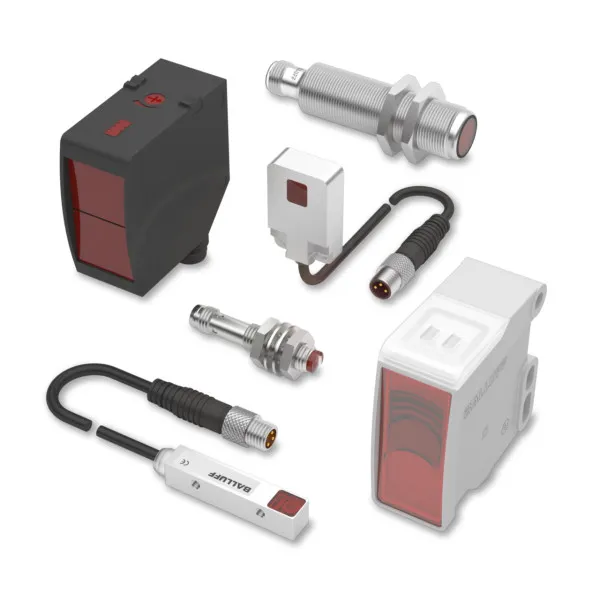
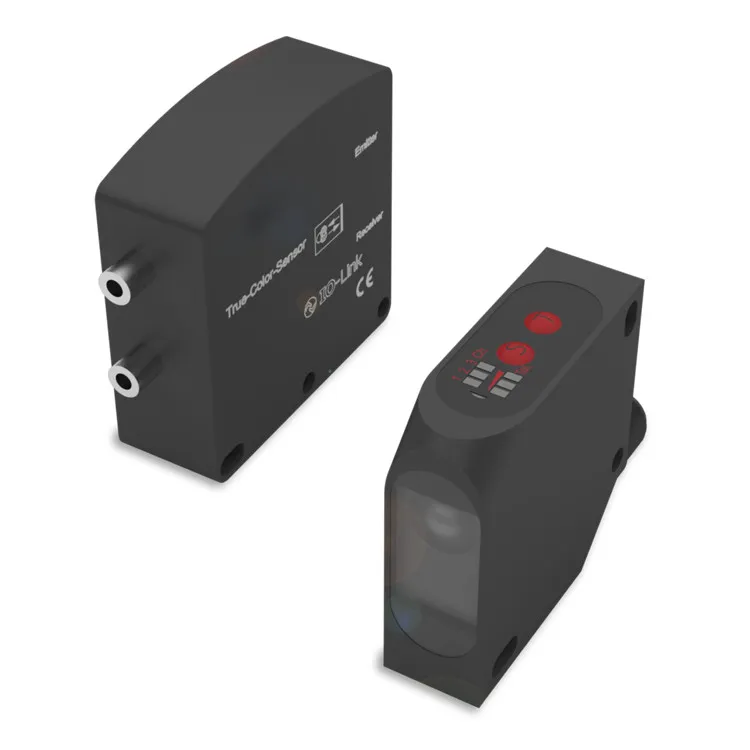
Contrast sensors, on the other hand, are used to detect differences in contrast between objects or markings. These sensors are commonly used in applications such as label detection and edge detection. The repeatability of contrast sensors depends on factors such as the intensity and uniformity of the light source, the sensitivity of the photodetector, and the ability to filter out background noise.
While all these sensors share the importance of repeatability, the specific factors that influence their performance can vary. Counter sensors, in particular, are more focused on accurately counting discrete events or objects, and their repeatability is often evaluated in terms of the consistency of the count results.
Conclusion
In conclusion, the repeatability of a counter sensor is a critical parameter that directly impacts the performance and reliability of industrial applications. As a Counter Sensor supplier, we understand the importance of providing sensors with high repeatability to our customers. By using high - quality components, rigorous testing procedures, and providing excellent customer support, we ensure that our sensors meet the demanding requirements of modern industrial environments.
If you are in the market for counter sensors and are looking for reliable and repeatable solutions, we invite you to contact us for a detailed discussion about your specific needs. Our team of experts is ready to assist you in selecting the right sensor for your application and providing you with the best possible service. Whether you are involved in manufacturing, packaging, or any other industry that requires accurate counting, we can help you find the perfect counter sensor to optimize your operations.
References
- "Industrial Sensors Handbook" - A comprehensive guide on various types of industrial sensors and their performance characteristics.
- "Principles of Sensor Technology" - A textbook that explains the fundamental principles behind sensor operation and the factors affecting their accuracy and repeatability.
- Industry research reports on the performance and reliability of different sensor types in industrial applications.