
Hey there! As an industrial VFD (Variable Frequency Drive) supplier, I often get asked about the use of industrial VFDs in the chemical industry. Well, let me tell you, these little wonders play a huge role in making chemical plants run smoothly and efficiently.
First off, let's talk about what an industrial VFD is. In simple terms, it's a device that controls the speed of an electric motor by varying the frequency and voltage supplied to it. This means you can adjust the motor's speed according to the specific requirements of your process, rather than having it run at a fixed speed all the time.
So, how does this benefit the chemical industry? One of the biggest advantages is energy savings. In chemical plants, there are many motors powering pumps, fans, compressors, and other equipment. These motors often consume a large amount of electricity. By using an industrial VFD, you can reduce the motor's speed when full power isn't needed. For example, in a chemical mixing process, the motor doesn't have to run at full speed all the time. You can slow it down during the less intensive parts of the process, which directly translates into lower energy consumption and cost savings.
Another important use is in process control. In the chemical industry, precise control of processes is crucial. Different chemical reactions require specific conditions, such as temperature, pressure, and flow rate. Industrial VFDs allow you to control the speed of motors driving pumps and compressors, which in turn helps regulate the flow of chemicals and gases. This ensures that the chemical reactions occur under the right conditions, leading to better product quality and consistency.
Let's take a closer look at some specific applications.
Pump Control
Pumps are used extensively in the chemical industry to transfer liquids from one place to another. Whether it's transferring raw materials, intermediate products, or finished chemicals, the flow rate needs to be carefully controlled. With an industrial VFD, you can adjust the pump's speed to match the required flow rate. For instance, if you're filling a storage tank, you can start the pump at a lower speed to avoid splashing and then increase the speed as the tank fills up. This not only improves the efficiency of the transfer process but also reduces the risk of spills and accidents.
If you're interested in VFDs for pump applications, check out our Solar Pump Inverter and Water Pump Inverter. These inverters are specifically designed to provide reliable and efficient control for pump motors.
Fan and Blower Control
Fans and blowers are used for ventilation, cooling, and air circulation in chemical plants. Maintaining the right air flow is essential for worker safety and equipment performance. Industrial VFDs can adjust the speed of fans and blowers based on the actual demand. For example, if the temperature in a particular area of the plant is lower, the fan speed can be reduced. This not only saves energy but also extends the lifespan of the equipment by reducing wear and tear.
Compressor Control
Compressors are used to compress gases in the chemical industry. The pressure and flow rate of the compressed gas need to be precisely controlled. An industrial VFD allows you to adjust the compressor's speed to meet the changing demand. This helps in maintaining a stable pressure and flow rate, which is crucial for the proper operation of downstream processes.
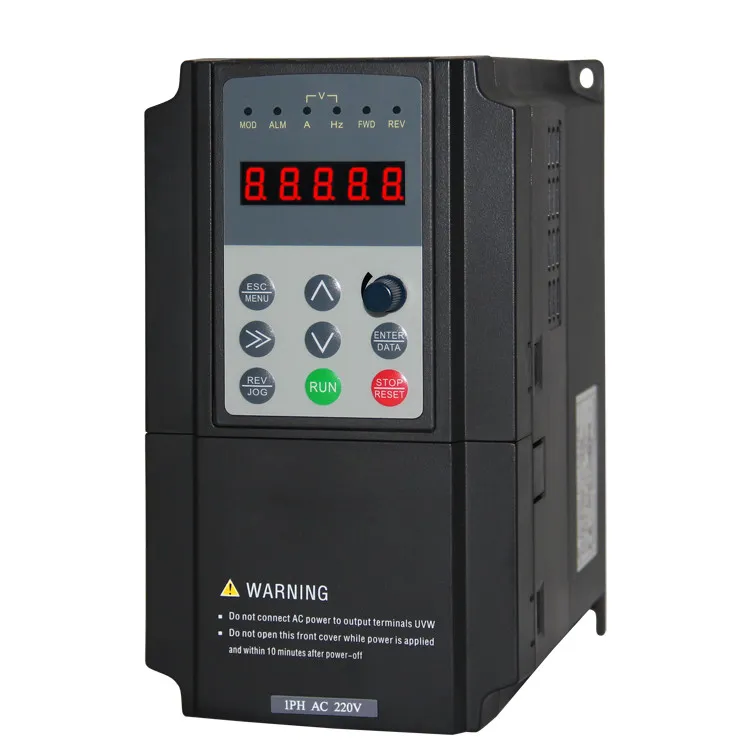
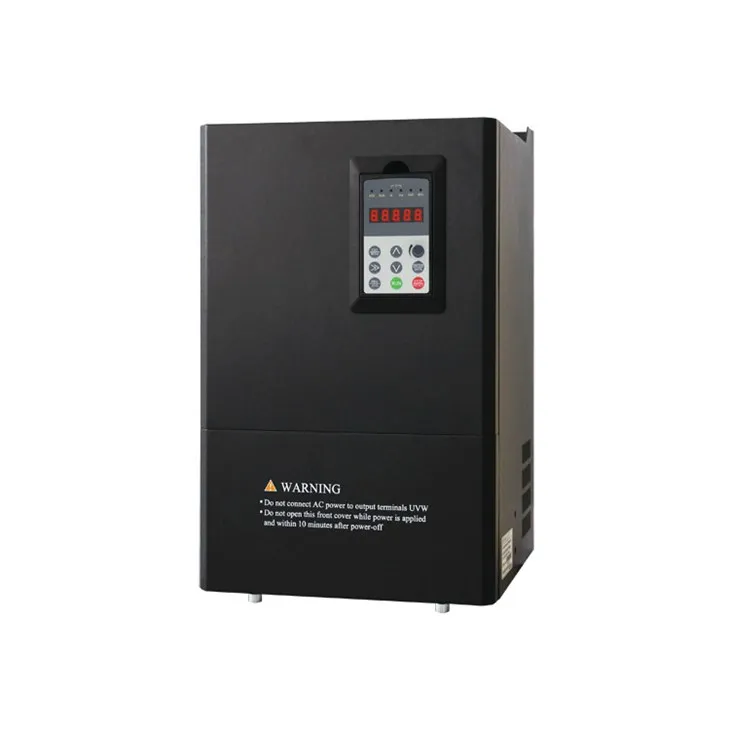
Ozone Generator Power Supply
In some chemical processes, ozone is used as an oxidizing agent. Our Ozone Generator Power Supply is a specialized VFD that provides the right power and control for ozone generators. It ensures that the ozone generator operates efficiently and produces the required amount of ozone for the chemical reactions.
In addition to energy savings and process control, industrial VFDs also offer other benefits. They can reduce mechanical stress on motors and equipment, which means less maintenance and longer equipment lifespan. They also provide soft-start and soft-stop capabilities, which prevent sudden jolts and shocks to the system, further protecting the equipment.
Now, you might be wondering how to choose the right industrial VFD for your chemical plant. Well, there are a few factors to consider. First, you need to know the power requirements of your motor. Make sure the VFD you choose can handle the motor's power rating. Second, consider the control features you need. Some VFDs offer simple speed control, while others have more advanced features like PID control for precise process regulation. Third, think about the environment in which the VFD will be installed. Chemical plants can be harsh environments with high temperatures, humidity, and chemical exposure. So, you need a VFD that is rugged and can withstand these conditions.
If you're in the chemical industry and looking for a reliable industrial VFD supplier, look no further. We have a wide range of VFDs that are suitable for various applications in the chemical industry. Our team of experts can help you choose the right VFD for your specific needs and provide you with installation, maintenance, and technical support.
Whether you're looking to upgrade your existing equipment or starting a new project, we're here to help. Contact us to discuss your requirements and let's work together to make your chemical plant more efficient and productive.
References
- "Variable Frequency Drives: Principles, Operation, and Applications" by Mohan Nedungadi
- "Chemical Process Engineering: Design and Economics" by Richard Turton et al.