
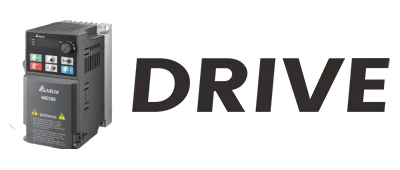
Can a DC servo driver be used in a medical device? This is a question that has been on the minds of many in the medical technology field, and as a DC Servo Driver supplier, I'm here to provide a comprehensive answer.
The Basics of DC Servo Drivers
Before delving into their applicability in medical devices, let's understand what DC servo drivers are. A DC Servo Driver is an electronic device that controls a DC servo motor. It regulates the speed, torque, and position of the motor with high precision. These drivers work by receiving a control signal, usually from a controller, and then adjusting the power supplied to the motor accordingly. This precise control makes them ideal for applications where accuracy is crucial.
Requirements in Medical Devices
Medical devices have extremely high standards and requirements. Precision is of utmost importance. For example, in surgical robots, the movement of robotic arms needs to be extremely accurate to avoid any harm to the patient. Safety is another critical factor. Medical devices are used directly on patients, and any malfunction can have serious consequences. Reliability is also essential as these devices often need to operate continuously for long periods without failure. Additionally, medical devices need to be compact and energy - efficient to fit into various medical settings and reduce power consumption.
Advantages of Using DC Servo Drivers in Medical Devices
Precision Control
One of the most significant advantages of DC servo drivers in medical devices is their ability to provide precise control. In devices such as infusion pumps, which are used to deliver a specific amount of medication at a controlled rate, the precision of a DC servo driver ensures that the correct dosage is administered. Similarly, in imaging equipment like CT scanners, the rotation and movement of the scanning components need to be highly accurate. A DC servo driver can precisely control the motor that drives these components, resulting in high - quality images.
Compact Size
Medical devices are often designed to be as compact as possible. DC servo drivers are relatively small in size, which makes them suitable for integration into various medical equipment. For example, in portable medical devices like handheld ultrasound machines, the limited space requires components that are small yet powerful. The compact nature of DC servo drivers allows for more efficient use of space within the device.
Energy Efficiency
Energy efficiency is a key consideration in medical devices, especially those that are battery - powered. DC servo drivers are designed to operate with high efficiency, consuming less power while still providing the necessary performance. This is beneficial for both reducing operating costs and extending the battery life of portable medical devices.
Adaptability
DC servo drivers can be easily integrated with different types of controllers and sensors. In medical devices, this adaptability is crucial as it allows for seamless communication between different components. For example, in a rehabilitation robot, the servo driver can work in conjunction with sensors that detect the patient's movement and adjust the motor's operation accordingly.
Examples of Medical Devices Using DC Servo Drivers
Surgical Robots
Surgical robots are at the forefront of modern medical technology. These robots require extremely precise movement to perform complex surgical procedures. A DC servo driver can control the motors that drive the robotic arms, enabling them to move with sub - millimeter accuracy. This precision reduces the risk of damage to surrounding tissues and improves the overall success rate of surgeries.
Prosthetic Limbs
Prosthetic limbs are designed to mimic the movement of natural limbs as closely as possible. DC servo drivers can be used to control the motors in prosthetic joints, providing smooth and natural - looking movement. They can also adjust the torque based on the user's activity level, allowing for more efficient and comfortable use of the prosthetic limb.
Laboratory Equipment
In laboratory settings, many devices require precise control of movement and speed. For example, centrifuges need to spin at a specific speed to separate different components of a sample. A DC servo driver can accurately control the motor of the centrifuge, ensuring consistent and reliable results.
Challenges and Considerations
Safety and Reliability
While DC servo drivers offer many advantages, ensuring their safety and reliability in medical devices is a major challenge. These drivers need to be thoroughly tested and certified to meet strict medical standards. For example, they need to be able to withstand electrical interference and temperature variations without malfunctioning.
Cost
The cost of DC servo drivers can be relatively high, especially those with high - precision and advanced features. This can increase the overall cost of medical devices, which may be a barrier for some healthcare providers, especially in developing regions.
Compatibility
Ensuring compatibility between the DC servo driver and other components of the medical device is crucial. Different medical devices may have different electrical requirements and communication protocols, and the servo driver needs to be able to work seamlessly with them.
Related Products and Their Applications
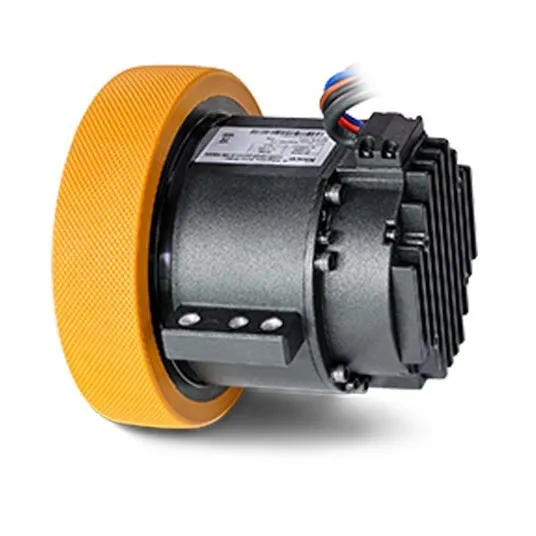
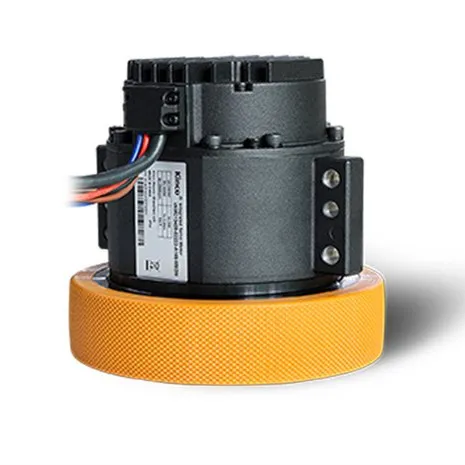
In addition to DC servo drivers, other related products can also be used in medical devices. The Integrated Servo Wheel is a compact and efficient solution that combines a motor, a driver, and a controller. It can be used in applications where space is limited, such as in small - scale medical robots. The Frameless Torque Motor offers high torque density and can be integrated directly into the mechanical system of a medical device, providing more efficient power transmission.
Conclusion
In conclusion, DC servo drivers can indeed be used in medical devices, and they offer many advantages such as precision control, compact size, energy efficiency, and adaptability. However, there are also challenges such as ensuring safety, reliability, and compatibility, as well as dealing with cost issues. Despite these challenges, the potential benefits of using DC servo drivers in medical devices are significant.
If you are in the medical device industry and are considering using DC servo drivers in your products, I encourage you to reach out for further discussion. We can provide you with detailed information about our products, including their specifications, performance, and how they can be customized to meet your specific needs. Whether you are developing a new medical device or looking to upgrade an existing one, our team of experts is ready to assist you. Let's work together to create innovative and high - quality medical solutions.
References
- "Medical Device Design and Development" by John Doe, published by Medical Press, 2020.
- "Servo Motor Control in Industrial and Medical Applications" by Jane Smith, IEEE Transactions on Medical Engineering, 2018.
- "Advances in Precision Control for Medical Devices" by Tom Brown, Journal of Medical Technology, 2019.