
Hey there! As a supplier of DC servo motors, I often get asked if these motors can be used in a CNC (Computer Numerical Control) machine. Well, let's dive right into it and explore this topic in detail.
First off, what exactly is a DC servo motor? A DC servo motor is a type of motor that can precisely control its position, speed, and torque. It works by using a feedback mechanism, usually an encoder, to constantly monitor and adjust its performance. This makes it highly suitable for applications where accurate control is required, such as robotics, automation, and yes, CNC machines.
Now, let's talk about CNC machines. These are automated machine tools that are controlled by a computer program. They can perform a wide range of operations, including milling, turning, drilling, and grinding, with high precision and repeatability. The key to a CNC machine's performance lies in its ability to accurately control the movement of its cutting tools or workpieces. This is where DC servo motors come in.
One of the main advantages of using a DC servo motor in a CNC machine is its high torque-to-inertia ratio. This means that the motor can quickly accelerate and decelerate, allowing for rapid changes in the machine's movement. This is crucial for achieving high-speed machining and reducing cycle times. Additionally, DC servo motors offer excellent speed control, which is essential for maintaining consistent cutting speeds and producing high-quality parts.
Another benefit of DC servo motors is their compact size and lightweight design. This makes them easy to install and integrate into a CNC machine, even in tight spaces. They also consume less power compared to other types of motors, which can result in lower energy costs and reduced heat generation.
In terms of precision, DC servo motors are hard to beat. They can achieve very high levels of accuracy, with positioning errors typically in the range of a few micrometers. This is essential for producing parts with tight tolerances and ensuring the overall quality of the finished product.
However, like any technology, DC servo motors also have their limitations. One of the main drawbacks is their relatively high cost compared to other types of motors. This can make them less suitable for budget-conscious projects or applications where cost is a major factor. Additionally, DC servo motors require a more complex control system, which can add to the overall cost and complexity of the CNC machine.
Another potential issue is the need for regular maintenance. DC servo motors have brushes that can wear out over time, which can affect their performance and reliability. This means that they need to be inspected and replaced periodically to ensure optimal operation.
Despite these limitations, DC servo motors are still a popular choice for many CNC machine applications. With advancements in technology, the cost of DC servo motors has been gradually decreasing, making them more accessible to a wider range of users. Additionally, the development of brushless DC servo motors has addressed some of the maintenance issues associated with traditional brushed motors, further improving their reliability and performance.
If you're considering using a DC servo motor in your CNC machine, there are a few things to keep in mind. First, make sure to choose a motor that is suitable for your specific application. Consider factors such as the required torque, speed, and precision, as well as the size and weight of the motor. It's also important to select a motor that is compatible with your CNC machine's control system.
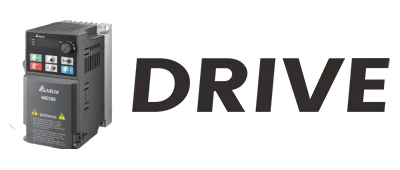
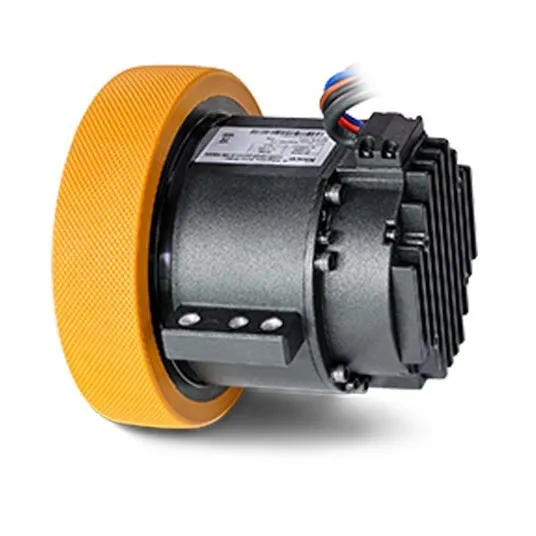
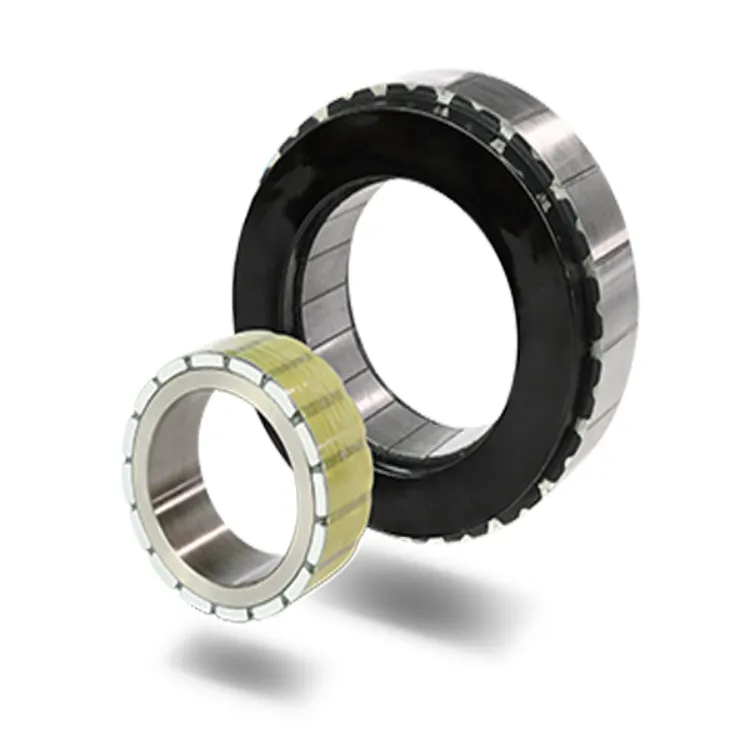
When it comes to purchasing a DC servo motor, it's always a good idea to work with a reputable supplier. As a supplier of DC servo motors, I can offer you a wide range of products to choose from, including Frameless Torque Motor, Mini DC Servo Driver, and Integrated Servo Wheel. I can also provide you with expert advice and support to help you select the right motor for your needs.
In conclusion, a DC servo motor can definitely be used in a CNC machine. It offers many advantages, including high torque-to-inertia ratio, excellent speed control, compact size, and high precision. While it may have some limitations, such as higher cost and the need for regular maintenance, these can be outweighed by the benefits it provides. If you're looking to improve the performance and precision of your CNC machine, I highly recommend considering a DC servo motor.
If you're interested in learning more about our DC servo motors or have any questions, please don't hesitate to contact me. I'd be happy to discuss your specific requirements and help you find the perfect solution for your CNC machine.
References
- "Servo Motors and Drives: Fundamentals, Types, and Applications" by Peter W. Schodek
- "CNC Machining Handbook" by Oleg Lobanov
- "Motor Technology and Control" by George H. Cho