

Hey there! As an IoT gateway supplier, I often get asked if an IoT gateway can be used in a healthcare IoT system. Well, the short answer is a resounding yes! In this blog, I'll dive into why IoT gateways are not only useful but also essential in healthcare IoT setups.
First off, let's understand what an IoT gateway is. Simply put, it's a device that acts as a bridge between IoT devices and the cloud or other backend systems. It aggregates data from multiple IoT devices, processes it, and then sends it to the appropriate destination. It can also receive commands from the cloud and relay them to the connected devices.
Now, let's talk about healthcare IoT systems. These systems are designed to collect, monitor, and analyze patient data from various medical devices such as wearables, sensors, and diagnostic equipment. The data can include things like heart rate, blood pressure, glucose levels, and more. This information is crucial for healthcare providers to make informed decisions about patient care, monitor patients remotely, and even detect potential health issues before they become serious.
So, how does an IoT gateway fit into all of this? Well, here are some key reasons why it's a game - changer in healthcare IoT:
Data Aggregation
In a healthcare setting, there can be a multitude of IoT devices in use. For example, a patient might be wearing a smartwatch to monitor their heart rate, a glucose monitor, and a sleep tracker. Each of these devices generates its own stream of data. An IoT gateway can collect all this data from different sources and consolidate it. This not only simplifies the data management process but also ensures that all relevant information is available in one place for analysis.
Protocol Translation
Different IoT devices in a healthcare system may use different communication protocols. For instance, some wearables might use Bluetooth, while others use Wi - Fi or ZigBee. An IoT gateway can translate between these protocols, allowing devices that use different communication methods to work together seamlessly. This interoperability is vital in a healthcare environment where multiple types of devices need to communicate to provide comprehensive patient care.
Security
Healthcare data is highly sensitive, and protecting it is of utmost importance. An IoT gateway can act as a security checkpoint. It can implement firewalls, encryption, and access control mechanisms to ensure that the data transmitted between devices and the cloud is secure. This helps prevent unauthorized access to patient information, which is a major concern in the healthcare industry.
Edge Computing
With an IoT gateway, some data processing can be done at the edge of the network, closer to the devices. This is known as edge computing. In a healthcare context, it means that the gateway can analyze the data locally and send only relevant or abnormal data to the cloud. For example, if a patient's heart rate is within the normal range, the gateway can simply store the data locally and only send an alert to the cloud if the heart rate goes above or below a certain threshold. This reduces the amount of data that needs to be transmitted over the network, saving bandwidth and reducing latency.
Remote Monitoring
Many healthcare IoT systems are used for remote patient monitoring. An IoT gateway enables healthcare providers to remotely access and manage IoT devices connected to patients. They can receive real - time data updates, adjust device settings, and even troubleshoot issues without having to be physically present with the patient. This is especially useful for patients with chronic conditions who need continuous monitoring.
Now, let me give you some real - world examples of how an IoT gateway can be used in a healthcare IoT system.
Hospital Settings
In a hospital, there are numerous IoT devices such as infusion pumps, ventilators, and patient monitors. An IoT gateway can collect data from all these devices, ensuring that doctors and nurses have access to up - to - date patient information. For example, if an infusion pump is delivering medication to a patient, the gateway can monitor the flow rate and send an alert if there are any issues. It can also integrate with the hospital's electronic health record (EHR) system, making it easier to document and manage patient care.
Home Healthcare
For patients who are being treated at home, IoT devices like remote vital sign monitors and smart pill dispensers can be used. An IoT gateway can connect these devices to the healthcare provider's system, allowing them to monitor the patient's health remotely. For instance, a patient with a heart condition can wear a wearable device that measures their heart rate and ECG. The gateway can collect this data and send it to the doctor's office, who can then review the data and provide appropriate advice or treatment.
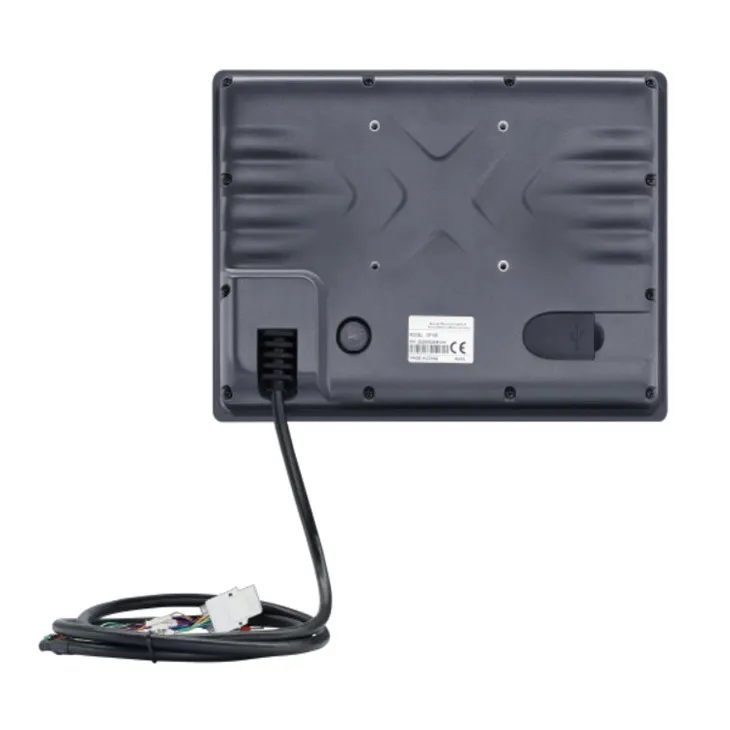
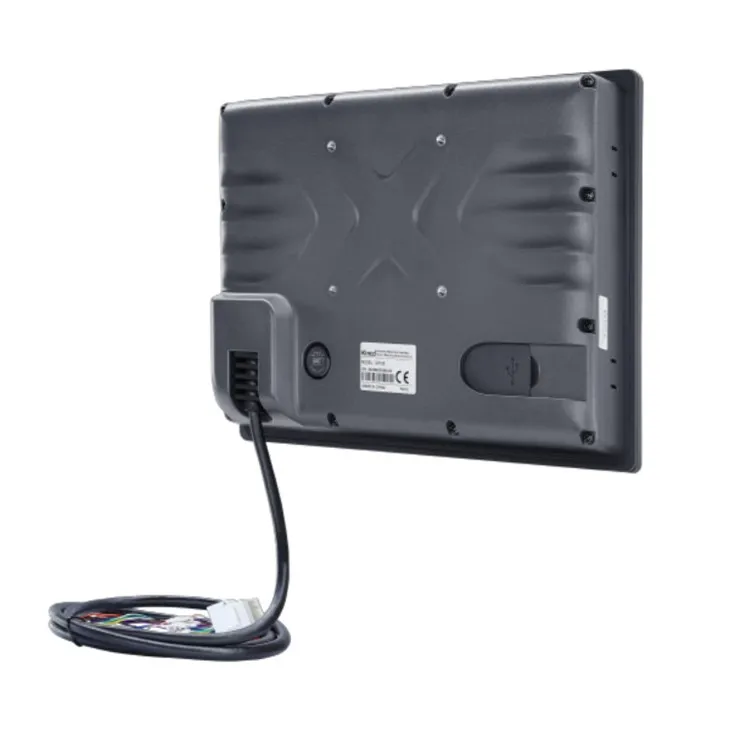
When it comes to choosing the right IoT gateway for a healthcare IoT system, there are a few things to consider. You need a gateway that is reliable, has high - speed data processing capabilities, and is easy to integrate with existing systems. At our company, we offer IoT gateways that are specifically designed to meet the unique requirements of healthcare applications.
Now, I'd also like to mention some related products that can enhance the functionality of an IoT gateway in a healthcare IoT system. You might be interested in our Lithium Battery Touch Screen, which can be used as an interface for healthcare IoT devices. It offers long - lasting battery life and a user - friendly touch - based operation. Another great option is our Charging Pile Touch Screen, which can be integrated into charging stations for IoT devices in a healthcare setting. And if you need a touch screen that can withstand harsh environments, our Waterproof Touch Screen is the way to go.
In conclusion, an IoT gateway is an essential component in a healthcare IoT system. It provides data aggregation, protocol translation, security, edge computing, and enables remote monitoring. If you're involved in a healthcare IoT project, whether it's a hospital looking to upgrade its systems or a company developing home healthcare solutions, an IoT gateway can take your project to the next level.
If you're interested in learning more about our IoT gateways or have any questions about how they can be used in your healthcare IoT system, feel free to reach out. We're here to help you find the best solution for your needs and look forward to discussing potential partnerships and procurement opportunities.
References
- Smith, J. (2020). IoT in Healthcare: Transforming the Future of Medicine. Journal of Healthcare Technology.
- Brown, A. (2021). The Role of IoT Gateways in Secure Healthcare Data Transmission. International Journal of Medical Informatics.
- Johnson, R. (2022). Edge Computing in Healthcare IoT: Benefits and Challenges. Healthcare IoT Review.