
Hey there! As a supplier of general PLCs, I often get asked whether general PLCs can be integrated with other industrial control systems. Well, the short answer is yes, they absolutely can! In this blog post, I'll dive into the details of how this integration works, the benefits it brings, and some real - world examples.
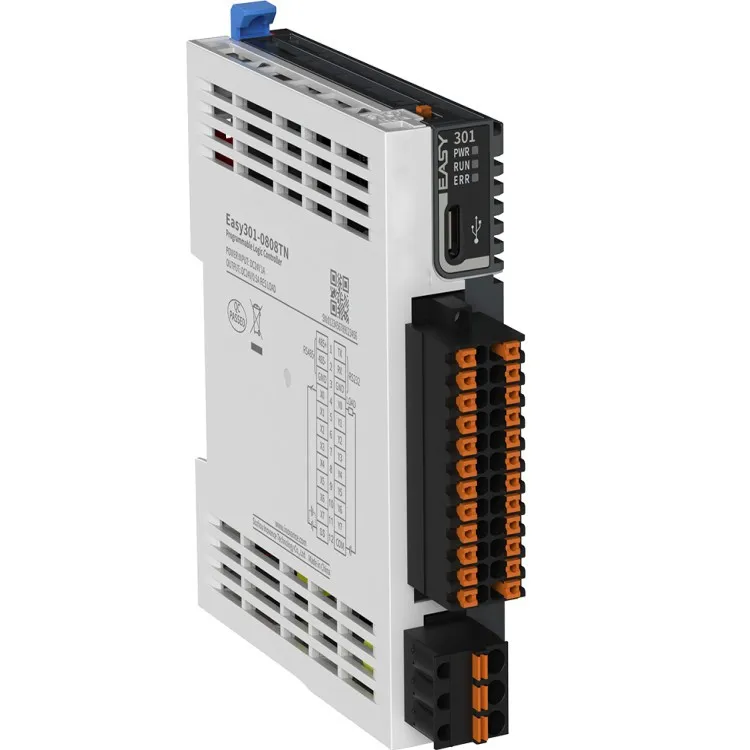
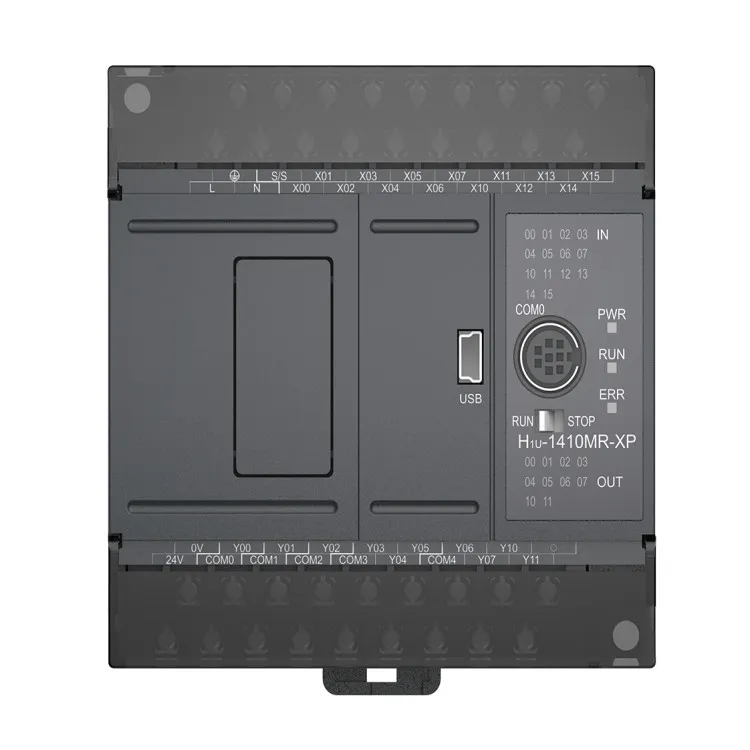
First off, let's understand what general PLCs are. Programmable Logic Controllers (PLCs) are like the brains of industrial automation. They're designed to control machinery and processes in factories, power plants, and a whole bunch of other industrial settings. General PLCs, as the name suggests, are versatile and can be used in a wide range of applications. We offer different types of general PLCs, such as the 485 Pulse PLC, CAN Bus PLC, and Compact Mini PLC. Each of these has its own unique features and is suitable for different scenarios.
Now, onto the integration part. Integrating general PLCs with other industrial control systems is not only possible but also quite common. There are several ways to achieve this. One of the most common methods is through communication protocols. PLCs support a variety of communication protocols like Modbus, Profibus, Ethernet/IP, and so on. These protocols act as a common language that allows different devices and systems to talk to each other.
For example, if you have a general PLC and a Human - Machine Interface (HMI) system, you can use a communication protocol like Modbus to establish a connection. The PLC can send data about the status of the industrial process, such as temperature, pressure, or speed, to the HMI. On the HMI, operators can then monitor this data in real - time and even send commands back to the PLC to adjust the process.
Another important aspect of integration is the ability to interface with sensors and actuators. General PLCs can be connected to a wide range of sensors, including temperature sensors, proximity sensors, and flow sensors. These sensors collect data from the industrial environment and send it to the PLC. The PLC then processes this data and uses it to control actuators, such as motors, valves, and pumps. This way, the PLC can ensure that the industrial process runs smoothly and efficiently.
Let's talk about the benefits of integrating general PLCs with other industrial control systems. One of the biggest advantages is increased efficiency. By integrating different systems, you can automate more aspects of the industrial process. This reduces the need for manual intervention, which in turn saves time and labor costs. For instance, in a manufacturing plant, a PLC can be integrated with a conveyor belt system and a robotic arm. The PLC can coordinate the movement of the conveyor belt and the robotic arm, ensuring that products are assembled quickly and accurately.
Improved reliability is another key benefit. When different systems are integrated, they can work together in a more coordinated manner. This means that if one part of the system fails, the PLC can detect the problem and take appropriate action. For example, if a temperature sensor detects an over - temperature condition in a machine, the PLC can immediately shut down the machine to prevent damage.
Enhanced data collection and analysis are also significant benefits. With integration, you can collect data from multiple sources and analyze it to gain insights into the industrial process. This data can be used to optimize the process, predict maintenance needs, and improve overall productivity. For example, by analyzing the data from sensors in a power plant, you can identify patterns that indicate potential equipment failures and take preventive measures.
Now, let's look at some real - world examples of general PLC integration. In the automotive industry, PLCs are integrated with various systems in the production line. They control the movement of robots, the operation of welding machines, and the flow of parts on the conveyor belt. This integration ensures that cars are assembled with high precision and efficiency.
In the food and beverage industry, PLCs are integrated with packaging machines, filling machines, and quality control systems. The PLC can monitor the filling level of bottles, check the quality of the product, and control the packaging process. This helps to ensure that the products meet the required standards and are packaged correctly.
However, integrating general PLCs with other industrial control systems is not without its challenges. One of the main challenges is compatibility issues. Different systems may use different communication protocols or have different data formats. To overcome this, you need to carefully select the right PLC and ensure that it is compatible with the other systems. You may also need to use protocol converters or gateways to enable communication between systems with different protocols.
Another challenge is security. As industrial systems become more connected, they are also more vulnerable to cyber - attacks. When integrating PLCs with other systems, you need to implement proper security measures to protect the data and the integrity of the industrial process. This includes using firewalls, encryption, and access control mechanisms.
Despite these challenges, the benefits of integrating general PLCs with other industrial control systems far outweigh the difficulties. With the right approach and the right products, you can achieve a seamless integration that will take your industrial process to the next level.
If you're interested in integrating general PLCs with your industrial control systems, we're here to help. Our team of experts has extensive experience in PLC integration and can provide you with the best solutions for your specific needs. Whether you're looking for a 485 Pulse PLC, CAN Bus PLC, or Compact Mini PLC, we have the products and the knowledge to ensure a successful integration.
So, if you're ready to take your industrial automation to the next level, don't hesitate to reach out to us. We'd be more than happy to discuss your requirements and start a procurement negotiation. Let's work together to make your industrial process more efficient, reliable, and productive.
References:
- "Industrial Automation Handbook"
- "Programmable Logic Controllers: Principles and Applications"
- Industry - specific case studies on PLC integration