
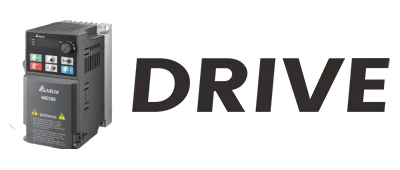
Hey there! I'm a supplier of Textile VFDs, and I often get asked, "How much energy can Textile VFD save in a year?" Well, let's dig into this topic and find out.
First off, let me give you a quick rundown on what a Textile VFD is. A Variable Frequency Drive (VFD) is a device that controls the speed and torque of an electric motor by varying the frequency and voltage supplied to it. In the textile industry, VFDs are used in a wide range of applications, from spinning and weaving machines to dyeing and finishing equipment.
Now, let's talk about energy savings. One of the biggest advantages of using a Textile VFD is its ability to save energy. Traditional motors run at a fixed speed, which means they consume the same amount of energy regardless of the actual load. This can lead to a lot of wasted energy, especially when the motor is not operating at full capacity.
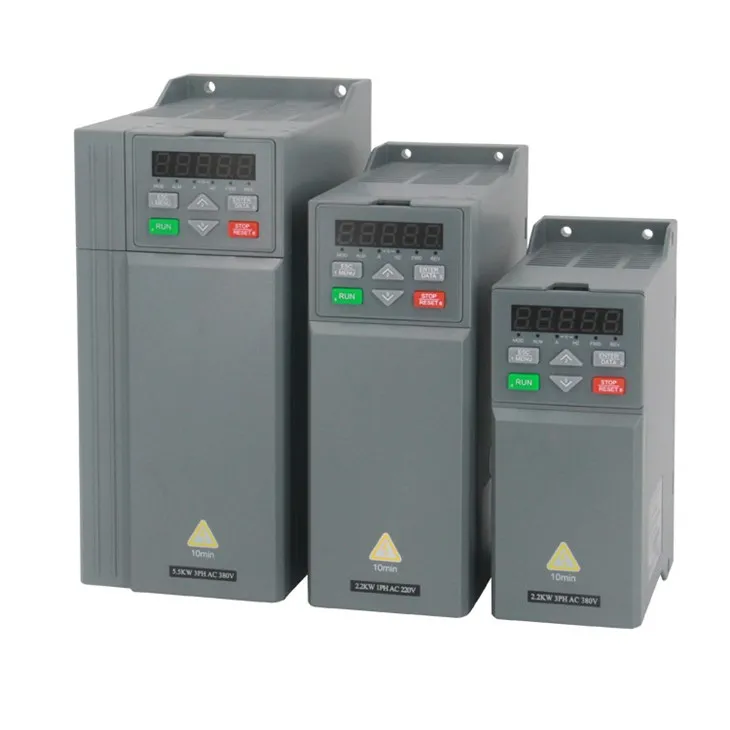
On the other hand, a VFD can adjust the motor's speed according to the load, which means it only uses the amount of energy that is actually needed. This can result in significant energy savings, especially in applications where the motor operates at partial load for a significant amount of time.
So, how much energy can a Textile VFD save in a year? Well, the answer depends on a number of factors, such as the type of motor, the application, the operating conditions, and the efficiency of the VFD itself. However, studies have shown that in many cases, VFDs can save anywhere from 20% to 60% of the energy consumed by traditional motors.
Let's take a look at an example. Suppose you have a textile mill that uses a 100 kW motor to power a spinning machine. The motor runs for 24 hours a day, 365 days a year, and operates at an average load of 70%. If you were to replace the traditional motor with a Textile VFD, you could potentially save up to 30% of the energy consumed by the motor.
To calculate the energy savings, we can use the following formula:
Energy savings (kWh/year) = Motor power (kW) x Operating hours per year x Load factor x Energy savings percentage
Using the values from our example, we get:
Energy savings (kWh/year) = 100 kW x 24 hours/day x 365 days/year x 0.7 x 0.3 = 186,480 kWh/year
Assuming an electricity cost of $0.10 per kWh, this would result in annual energy savings of $18,648. That's a pretty significant amount of money!
Of course, these are just estimates, and the actual energy savings may vary depending on the specific circumstances. However, it's clear that using a Textile VFD can result in substantial energy savings, which can translate into significant cost savings for your business.
In addition to energy savings, there are other benefits to using a Textile VFD. For example, VFDs can improve the performance and reliability of your equipment, reduce maintenance costs, and extend the lifespan of your motors. They can also provide better control over the speed and torque of your motors, which can result in higher quality products and increased productivity.
At our company, we offer a wide range of Textile VFDs to meet the needs of different applications. Our High Performance Vector VFD is designed for high-performance applications that require precise control over the speed and torque of the motor. It offers advanced features such as vector control, sensorless vector control, and torque control, which can improve the efficiency and performance of your equipment.
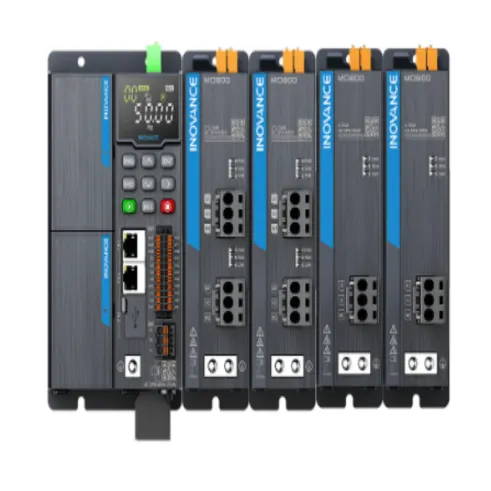
Our Multi-Drive VFD is ideal for applications that require multiple motors to be controlled from a single drive. It offers a compact and cost-effective solution for controlling up to four motors simultaneously, which can reduce the overall cost and complexity of your system.
And our Air Conditioner VFD is specifically designed for use in air conditioning systems. It offers energy-saving features such as variable speed control, soft-start, and energy optimization, which can reduce the energy consumption of your air conditioning system and lower your operating costs.
If you're interested in learning more about our Textile VFDs and how they can help you save energy and improve the performance of your equipment, please don't hesitate to contact us. We'd be happy to answer any questions you may have and provide you with a free consultation.
In conclusion, using a Textile VFD can result in significant energy savings, which can translate into substantial cost savings for your business. If you're looking for a way to reduce your energy consumption and improve the efficiency of your equipment, then a Textile VFD may be the solution you're looking for. So, why not give it a try? Contact us today to learn more.
References:
- "Variable Frequency Drives: A Guide to Energy Efficiency and Cost Savings." U.S. Department of Energy.
- "Energy Savings with Variable Frequency Drives." Electrical Construction & Maintenance.
- "The Benefits of Using Variable Frequency Drives in the Textile Industry." Textile World.