

AC servo motors are widely used in various industrial applications due to their high precision, excellent speed control, and reliable performance. However, stalling is a common issue that can disrupt operations and lead to inefficiencies. As an AC servo motor supplier, I understand the importance of preventing motor stalling to ensure smooth and productive operations for our customers. In this blog post, I will share some practical tips on how to prevent the stalling of an AC servo motor.
Understanding the Causes of AC Servo Motor Stalling
Before we delve into prevention strategies, it's essential to understand the common causes of AC servo motor stalling. Here are some factors that can contribute to motor stalling:
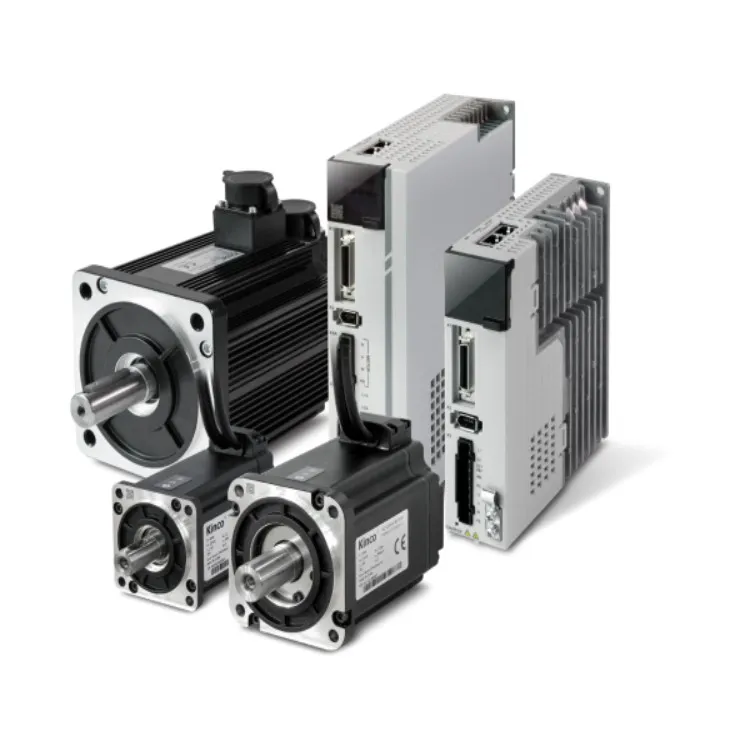
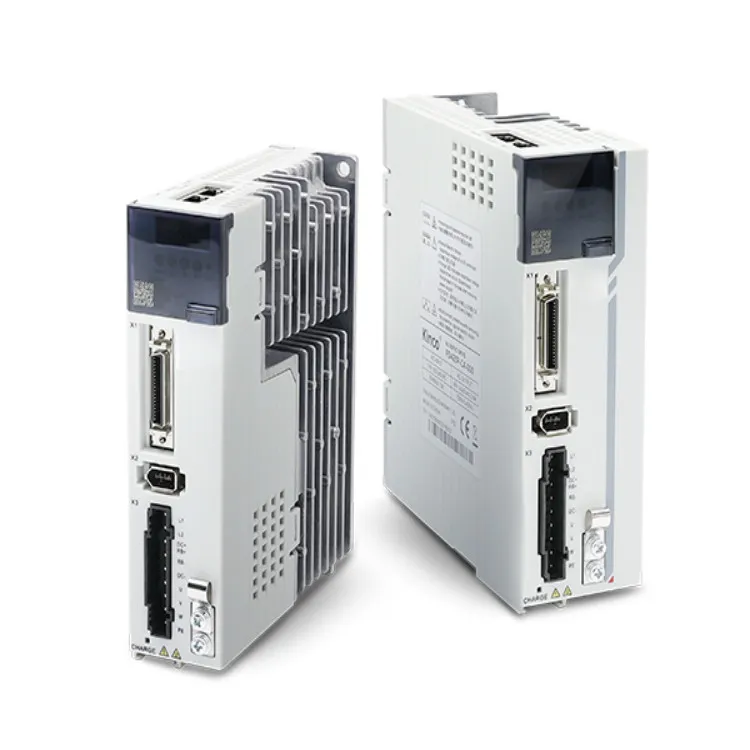
- Overloading: When the motor is required to drive a load that exceeds its rated capacity, it can cause the motor to stall. This can happen if the load is too heavy, or if there are mechanical issues such as binding or excessive friction.
- Inadequate Power Supply: Insufficient power supply can lead to a drop in motor torque, causing the motor to stall. This can be due to voltage fluctuations, improper wiring, or a power supply that is too small for the motor.
- Faulty Motor or Drive: A malfunctioning motor or drive can also cause stalling. This can be due to issues such as damaged windings, worn bearings, or a faulty controller.
- Incorrect Tuning: If the servo drive is not properly tuned to the motor and the load, it can result in unstable operation and stalling. This can happen if the gain settings are too high or too low, or if the feedback parameters are not set correctly.
Prevention Strategies
Now that we have a better understanding of the causes of AC servo motor stalling, let's explore some prevention strategies that can help you avoid this issue.
1. Proper Sizing and Selection
- Choose the Right Motor: When selecting an AC servo motor, it's crucial to choose a motor that is appropriately sized for the application. Consider factors such as the load torque, speed requirements, and duty cycle. Our 750w Servo Motor and 1.5Kw Servo Motor are available in a range of power ratings to meet different application needs.
- Consider the Load Characteristics: Understand the characteristics of the load, such as its inertia, friction, and acceleration requirements. This will help you select a motor with the appropriate torque and speed capabilities.
- Evaluate the Duty Cycle: The duty cycle of the application determines how often the motor will be running and under what conditions. Make sure to choose a motor that can handle the expected duty cycle without overheating or stalling.
2. Ensure Adequate Power Supply
- Check the Voltage and Current Ratings: Make sure the power supply voltage and current ratings are compatible with the motor and drive requirements. Voltage fluctuations can cause the motor to stall, so it's important to use a stable power source.
- Proper Wiring and Grounding: Ensure that the wiring is properly sized and installed to minimize voltage drops. Grounding is also essential to prevent electrical interference and ensure safe operation.
- Use a Power Supply with Sufficient Capacity: Select a power supply that has enough capacity to handle the motor's peak power requirements. This will help prevent voltage drops and ensure stable operation.
3. Regular Maintenance and Inspection
- Perform Routine Inspections: Regularly inspect the motor and drive for signs of wear, damage, or overheating. Check the bearings, windings, and connections for any issues.
- Clean the Motor and Drive: Keep the motor and drive clean to prevent dust and debris from accumulating, which can cause overheating and damage.
- Lubricate the Bearings: If the motor has bearings, make sure to lubricate them regularly according to the manufacturer's recommendations.
- Test the Motor and Drive: Periodically test the motor and drive to ensure they are functioning properly. This can help detect any potential issues before they lead to stalling.
4. Correct Tuning and Configuration
- Follow the Manufacturer's Instructions: When setting up the servo drive, follow the manufacturer's instructions carefully. This includes configuring the gain settings, feedback parameters, and other control settings.
- Use Tuning Tools: Many servo drives come with tuning tools that can help you optimize the performance of the motor and drive. Use these tools to fine-tune the settings and ensure stable operation.
- Monitor the Motor Performance: Monitor the motor performance during operation to ensure that it is running smoothly. Look for signs of instability, such as excessive vibration or noise, and adjust the settings as needed.
5. Protect Against External Factors
- Use Surge Protectors: Install surge protectors to protect the motor and drive from voltage spikes and surges. This can help prevent damage to the electronics and ensure reliable operation.
- Provide Adequate Ventilation: Make sure the motor and drive have adequate ventilation to prevent overheating. This can be achieved by installing fans or using a ventilation system.
- Protect Against Moisture and Dust: Use enclosures or covers to protect the motor and drive from moisture and dust. This can help prevent corrosion and damage to the components.
Conclusion
Preventing the stalling of an AC servo motor is essential for ensuring smooth and efficient operation in industrial applications. By following the strategies outlined in this blog post, you can minimize the risk of stalling and extend the lifespan of your motor and drive. As an AC servo motor supplier, we are committed to providing high-quality products and expert support to help our customers achieve optimal performance. If you have any questions or need assistance with selecting the right motor or preventing stalling, please don't hesitate to contact us for a purchase consultation.
References
- Motion Control Handbook, published by the Industrial Controls and Automation Association.
- Servo Motor Application Guide, provided by leading servo motor manufacturers.
- Electrical Engineering Textbooks on motor theory and control.