
Hey there! As a supplier of Textile VFDs, I'm super stoked to share some insights on how to use the fault diagnosis functions of these nifty devices. Textile VFDs, or Variable Frequency Drives, are crucial in the textile industry as they control the speed of electric motors, which is essential for various textile processes. But like any piece of technology, they can run into issues from time to time. That's where the fault diagnosis functions come in super handy.
Understanding the Basics of Fault Diagnosis in Textile VFDs
First things first, let's talk about what fault diagnosis in Textile VFDs actually means. Fault diagnosis is all about figuring out what's gone wrong with your VFD when it starts acting up. It's like being a detective, but instead of solving a crime, you're solving a technical problem.
Textile VFDs have built - in sensors and monitoring systems that constantly keep an eye on different parameters. These parameters include things like voltage, current, temperature, and speed. When one of these parameters goes out of the normal range, the VFD will detect it and trigger a fault code.
Reading Fault Codes
Fault codes are the key to understanding what's wrong with your Textile VFD. They're like little messages from the VFD telling you where the problem lies. Most Textile VFDs display these fault codes on an LCD screen. The codes are usually a combination of letters and numbers.
For example, if you see a fault code like "OC" on your VFD, it usually stands for "Overcurrent". This means that the current flowing through the VFD is higher than it should be. Overcurrent can be caused by a number of things, such as a short - circuit in the motor, a jammed mechanical load, or a problem with the VFD's power supply.
Another common fault code is "OV", which stands for "Overvoltage". This indicates that the voltage supplied to the VFD is too high. Overvoltage can damage the VFD's components, so it's important to address it as soon as possible. It could be due to a problem with the power grid, a malfunctioning transformer, or incorrect settings on the VFD itself.
Using Diagnostic Tools
In addition to the built - in fault codes, there are also some external diagnostic tools that you can use to get more in - depth information about the problem. One such tool is a multimeter. A multimeter can measure voltage, current, and resistance. You can use it to check the power supply to the VFD, the output voltage of the VFD, and the resistance of the motor windings.
If you want more advanced diagnostic capabilities, you can use a VFD programming cable. This cable allows you to connect your VFD to a computer and use special software to access detailed diagnostic information. The software can show you real - time data on various parameters, as well as historical fault records.
Troubleshooting Common Faults
Let's take a look at some common faults in Textile VFDs and how to troubleshoot them.
Overcurrent Faults
As I mentioned earlier, overcurrent faults are quite common. If you get an overcurrent fault code, the first thing you should do is check the motor. Look for any signs of damage, such as burnt windings or a loose connection. You can also use a multimeter to measure the resistance of the motor windings. If the resistance is too low or too high, it could indicate a problem with the motor.
Next, check the mechanical load. Make sure that the motor is not overloaded or jammed. Sometimes, a simple thing like a belt that's too tight or a pulley that's misaligned can cause an overcurrent fault.
If the motor and the mechanical load seem fine, then the problem could be with the VFD itself. Check the VFD's power supply and make sure that the input voltage is within the specified range. You can also try resetting the VFD by turning it off and then on again.
Overvoltage Faults
For overvoltage faults, start by checking the power grid. Use a multimeter to measure the input voltage to the VFD. If the voltage is too high, you may need to contact your power supplier to see if there's a problem with the grid.
You should also check the VFD's settings. Make sure that the overvoltage protection settings are correctly configured. Sometimes, incorrect settings can cause the VFD to trigger an overvoltage fault even when the voltage is actually normal.
Overheating Faults
Overheating is another common issue in Textile VFDs. If you get an overheating fault code, the first thing you should do is check the cooling system. Make sure that the fans are working properly and that there is no blockage in the ventilation ducts.
You should also check the ambient temperature. If the VFD is installed in a hot environment, it may overheat more easily. Consider installing additional cooling equipment, such as an air conditioner or a heat exchanger, if necessary.
Different Types of Textile VFDs and Their Fault Diagnosis
There are different types of VFDs available in the market, and each type may have some unique features when it comes to fault diagnosis. For example, the Mini Vector VFD is a compact and efficient VFD that's suitable for small - scale textile applications. It has a user - friendly interface that makes it easy to read and understand fault codes.
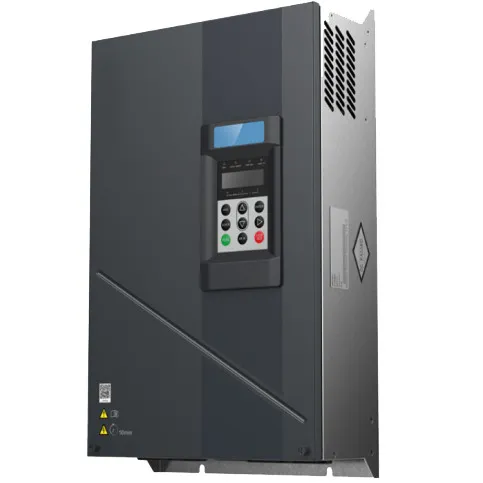
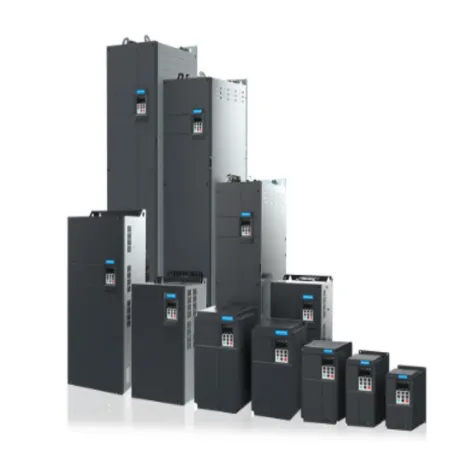
The Elevator VFD is designed specifically for elevator systems, but it can also be used in some textile applications where precise speed control is required. It has advanced diagnostic features that can detect and diagnose faults related to the elevator's safety systems, which can also be useful in textile machinery.
The Lifting VFD is used for lifting applications in the textile industry, such as hoists and cranes. It has fault diagnosis functions that are tailored to the specific requirements of lifting equipment, such as overload protection and emergency stop detection.
Conclusion
Using the fault diagnosis functions of Textile VFDs is an essential skill for anyone working in the textile industry. By understanding how to read fault codes, use diagnostic tools, and troubleshoot common faults, you can keep your VFDs running smoothly and minimize downtime.
If you're in the market for a Textile VFD or have any questions about fault diagnosis, don't hesitate to reach out. We're here to help you find the right VFD for your needs and provide you with all the support you need to keep it working properly. Whether you're a small textile workshop or a large - scale textile factory, we've got the solutions for you. So, let's get in touch and start a great partnership!
References
- "Variable Frequency Drives Handbook" by Allan R. Hendershot Jr.
- Technical manuals of various Textile VFD manufacturers.