
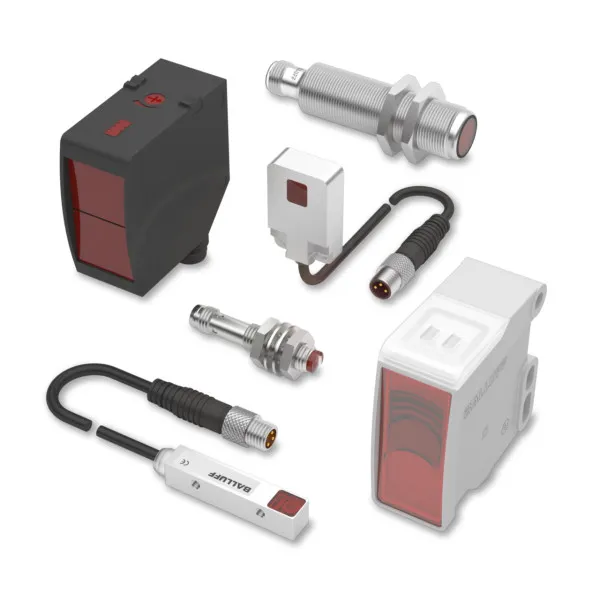
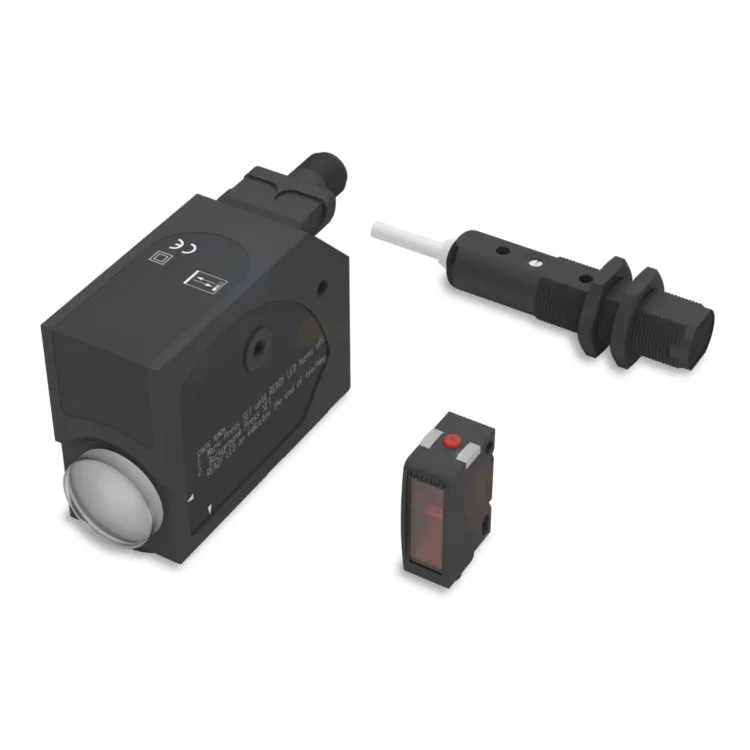
As a supplier of Contrast Sensors, I am often asked about the various applications of these remarkable devices. Contrast sensors are optoelectronic sensors that detect the difference in contrast between two adjacent areas. They are highly versatile and can be used in a wide range of industries and applications. In this blog post, I will explore the diverse applications of contrast sensors and highlight their importance in modern manufacturing and automation.
Packaging Industry
One of the primary applications of contrast sensors is in the packaging industry. These sensors play a crucial role in ensuring the accurate and efficient operation of packaging machinery. They are used to detect the presence, position, and orientation of labels, seals, and other packaging elements. By detecting the contrast between the print on a label and the background, contrast sensors can verify that labels are correctly applied and aligned. This helps to prevent packaging errors and improve the overall quality of the final product.
In addition to label detection, contrast sensors are also used for web guiding systems in the packaging industry. Web guiding systems are used to keep a continuous web of material, such as paper, film, or foil, centered during the packaging process. Contrast sensors can detect the edge of the web or a printed line on the web and provide feedback to the guiding system, allowing it to make adjustments and keep the web properly aligned. This helps to prevent wrinkles, folds, and other issues that can occur during the packaging process.
Printing Industry
Another significant application of contrast sensors is in the printing industry. Printing presses require precise control and alignment to ensure high-quality prints. Contrast sensors are used to detect registration marks, which are small marks printed on the printing substrate to indicate the correct position of each color. By detecting these registration marks, contrast sensors can ensure that the different colors are printed in the correct position relative to each other, resulting in accurate and sharp images.
In addition to registration mark detection, contrast sensors are also used for color control in the printing industry. Color sensors, which are similar to contrast sensors but are specifically designed to detect color differences, can be used to monitor the color of the printed material and make adjustments to the printing process as needed. This helps to ensure consistent color quality throughout the printing run. You can learn more about Colour Sensor on our website.
Food and Beverage Industry
The food and beverage industry also benefits from the use of contrast sensors. These sensors are used for a variety of applications, including product detection, sorting, and quality control. In product detection, contrast sensors can be used to detect the presence or absence of products on a conveyor belt or in a packaging machine. This helps to ensure that the correct number of products is being processed and packaged.
Contrast sensors are also used for sorting applications in the food and beverage industry. For example, they can be used to sort fruits and vegetables based on color, size, or shape. By detecting the contrast between different parts of the fruit or vegetable, contrast sensors can determine the quality and ripeness of the product and sort it accordingly. This helps to improve the efficiency and accuracy of the sorting process and ensures that only high-quality products are sent to market.
In quality control applications, contrast sensors are used to detect surface defects, such as scratches, stains, or discolorations, on food and beverage products. By detecting these defects, contrast sensors can help to identify products that do not meet the quality standards and remove them from the production line. This helps to improve the overall quality of the final product and reduce the risk of customer complaints.
Automotive Industry
The automotive industry is another major user of contrast sensors. These sensors are used for a variety of applications, including parts inspection, assembly line automation, and quality control. In parts inspection, contrast sensors can be used to detect surface defects, such as scratches, dents, or paint imperfections, on automotive parts. By detecting these defects, contrast sensors can help to identify parts that do not meet the quality standards and remove them from the production line.
In assembly line automation, contrast sensors are used to detect the presence and position of components on the assembly line. This helps to ensure that the components are correctly assembled and that the production process runs smoothly. For example, contrast sensors can be used to detect the position of bolts, nuts, and other fasteners and ensure that they are tightened to the correct torque.
In quality control applications, contrast sensors are used to verify the integrity of welds, adhesives, and other joining processes. By detecting the contrast between the welded or bonded area and the surrounding material, contrast sensors can determine the quality of the joint and ensure that it meets the required standards.
Textile Industry
The textile industry also makes use of contrast sensors for a variety of applications. These sensors are used for fabric inspection, color sorting, and pattern recognition. In fabric inspection, contrast sensors can be used to detect surface defects, such as holes, tears, or stains, on the fabric. By detecting these defects, contrast sensors can help to identify fabric that does not meet the quality standards and remove it from the production line.
In color sorting applications, contrast sensors can be used to sort fabrics based on color. By detecting the contrast between different colors of fabric, contrast sensors can ensure that the fabrics are sorted correctly and that only fabrics of the same color are grouped together. This helps to improve the efficiency and accuracy of the sorting process and ensures that the final product meets the customer's color requirements.
In pattern recognition applications, contrast sensors can be used to detect patterns on the fabric. By detecting the contrast between the pattern and the background, contrast sensors can ensure that the patterns are correctly aligned and that the fabric is cut and sewn correctly. This helps to improve the overall quality of the textile product and reduce the risk of production errors.
Conclusion
In conclusion, contrast sensors are highly versatile devices that have a wide range of applications in various industries. From packaging and printing to food and beverage, automotive, and textile industries, contrast sensors play a crucial role in ensuring the accuracy, efficiency, and quality of the production process. As a supplier of Contrast Sensor, we are committed to providing high-quality sensors and excellent customer service to meet the diverse needs of our customers.
If you are interested in learning more about our contrast sensors or have any questions about their applications, please do not hesitate to contact us. We would be happy to discuss your specific requirements and provide you with a customized solution. Our team of experts is always available to assist you with your sensor needs and help you optimize your production process.
References
- "Optoelectronic Sensors: Principles and Applications." John Wiley & Sons, Inc.
- "Industrial Automation Handbook." CRC Press.
- Various technical documents and application notes from sensor manufacturers.