
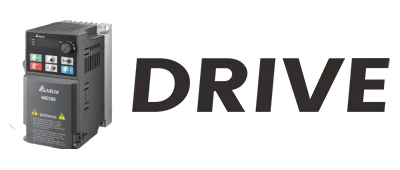
Hey there! As an industrial VFD (Variable Frequency Drive) supplier, I've had my fair share of experiences dealing with these nifty devices. Industrial VFDs are like the unsung heroes in the industrial world, controlling the speed and torque of electric motors. But what really sets them apart are their top - notch protection features. Let's dive right in and take a closer look at what these protection features are all about.
Over - Current Protection
One of the most crucial protection features in an industrial VFD is over - current protection. You see, sometimes, due to various reasons like a short - circuit in the motor, mechanical jams, or a sudden increase in load, the current flowing through the VFD can spike. If this high current persists, it can damage the VFD's internal components, such as the power transistors.
Industrial VFDs are equipped with sensors that constantly monitor the current. When the current exceeds a pre - set limit, the VFD quickly takes action. It can either reduce the output voltage to the motor or even shut down completely to prevent any damage. This is super important because it not only protects the VFD itself but also the motor connected to it. For example, in a manufacturing plant where conveyor belts are driven by motors controlled by VFDs, a mechanical blockage on the conveyor can cause an over - current situation. Thanks to the over - current protection, the VFD can prevent a major breakdown and save a lot of repair costs.
Over - Voltage Protection
Over - voltage can be a real headache for industrial VFDs. It can occur due to power grid fluctuations, lightning strikes, or when the motor is decelerating too quickly. When there's an over - voltage situation, the extra voltage can stress the VFD's capacitors and other electronic components, leading to premature failure.
To combat this, industrial VFDs come with over - voltage protection circuits. These circuits detect any abnormal increase in voltage and take steps to bring it back to a safe level. They might use braking resistors to dissipate the excess energy or adjust the output frequency to reduce the voltage. For instance, in a large industrial facility near an area prone to lightning, the VFD's over - voltage protection can safeguard the equipment from being damaged by sudden voltage surges caused by lightning strikes.
Under - Voltage Protection
On the flip side, under - voltage is also a concern. A low voltage supply can be caused by issues in the power grid, long cable runs, or overloading of the electrical system. When the voltage drops below a certain level, the VFD may not be able to operate properly, and the motor might lose torque or stall.
Industrial VFDs have under - voltage protection mechanisms that monitor the input voltage. If the voltage falls below the acceptable range, the VFD can either reduce the motor speed gradually or shut down the system to avoid any damage. This is especially important in applications where a stable power supply is crucial, like in precision manufacturing processes. For example, in a CNC (Computer Numerical Control) machine, a sudden drop in voltage could cause the machine to produce inaccurate parts. The under - voltage protection in the VFD can prevent such a situation.
Over - Temperature Protection
Heat is the enemy of electronic devices, and industrial VFDs are no exception. During normal operation, the VFD generates heat due to the power losses in its components. If the temperature rises too high, it can degrade the performance of the VFD and even cause permanent damage.
Most industrial VFDs are equipped with temperature sensors. These sensors continuously monitor the temperature of critical components like the power modules and heat sinks. When the temperature exceeds a safe limit, the VFD will start to take action. It might reduce the output power to the motor to generate less heat or activate cooling fans to increase the heat dissipation. In some cases, if the temperature continues to rise despite these measures, the VFD will shut down to prevent a complete failure. For example, in a hot and humid industrial environment, the over - temperature protection in the VFD ensures that it can keep running smoothly without being damaged by excessive heat.
Short - Circuit Protection
Short - circuits can happen unexpectedly and can cause serious damage to the VFD and the connected motor. A short - circuit occurs when there is a direct connection between two points in the electrical circuit with very low resistance. This can lead to a huge surge in current, which can fry the VFD's components in an instant.
Industrial VFDs have short - circuit protection built - in. They use fast - acting fuses and protective relays to detect short - circuits. As soon as a short - circuit is detected, the VFD will quickly isolate the faulty part of the circuit and cut off the power supply. This rapid response helps to minimize the damage and prevent a chain reaction that could affect other equipment in the industrial facility. For example, in a chemical plant where motors are used to drive various pumps, a short - circuit in one of the motors could be a disaster if not detected and isolated quickly. The short - circuit protection in the VFD ensures that the situation is under control.
Ground - Fault Protection
Ground - faults occur when an electrical conductor comes into contact with the ground or a conductive surface. This can be dangerous not only for the equipment but also for the personnel working in the area. Industrial VFDs are designed with ground - fault protection to detect any leakage of current to the ground.
When a ground - fault is detected, the VFD will shut down the system immediately. This is important for safety reasons, as it can prevent electrical shocks and fires. In an industrial environment where there are many electrical cables and motors, a ground - fault can easily go unnoticed, but the VFD's ground - fault protection can detect it and prevent any potential hazards. For example, in a food processing plant where wet conditions are common, the risk of ground - faults is higher. The ground - fault protection in the VFD provides an extra layer of safety for the workers and the equipment.
Phase - Loss Protection
In a three - phase power system, a phase - loss can occur when one of the phases is lost due to a broken wire, a blown fuse, or a problem in the power grid. When this happens, the motor connected to the VFD may experience uneven torque, overheating, and reduced efficiency.
Industrial VFDs have phase - loss protection that monitors the input phases. If a phase - loss is detected, the VFD can either shut down the motor or adjust the output to try and compensate for the lost phase. This helps to protect the motor from damage and ensures that the industrial process can continue as smoothly as possible. For example, in a large industrial compressor driven by a three - phase motor, a phase - loss can cause the compressor to malfunction. The phase - loss protection in the VFD can prevent this from happening.
Motor Overload Protection
The motor is the heart of many industrial applications, and protecting it from overload is essential. An overload can occur when the motor is required to carry a load that is beyond its rated capacity. This can be due to a mechanical problem, such as a jammed pulley, or an incorrect setting of the VFD.
Industrial VFDs have motor overload protection features. They monitor the motor's current and temperature to detect if it is being overloaded. If an overload is detected, the VFD can reduce the motor speed or shut it down to prevent overheating and damage. This not only extends the lifespan of the motor but also ensures the reliability of the industrial process. For example, in a textile factory where motors drive spinning machines, an overload on the motor can cause the machine to break down. The motor overload protection in the VFD can prevent such a situation.
Conclusion
As you can see, industrial VFDs are packed with a wide range of protection features that are essential for their reliable operation in industrial environments. These protection features not only safeguard the VFD itself but also the connected motors and other equipment. Whether it's protecting against over - current, over - voltage, under - voltage, over - temperature, short - circuits, ground - faults, phase - loss, or motor overloads, industrial VFDs are designed to handle all these challenges.
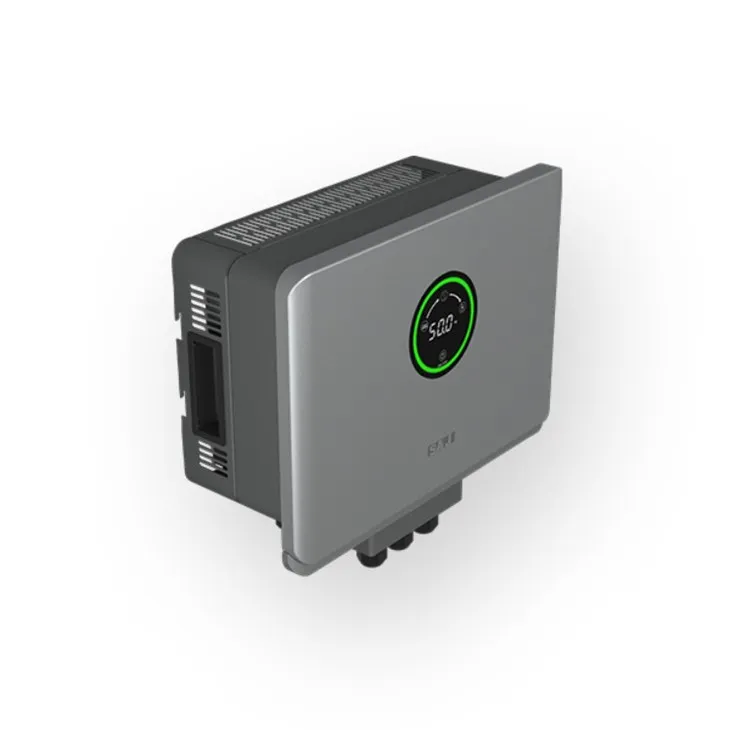
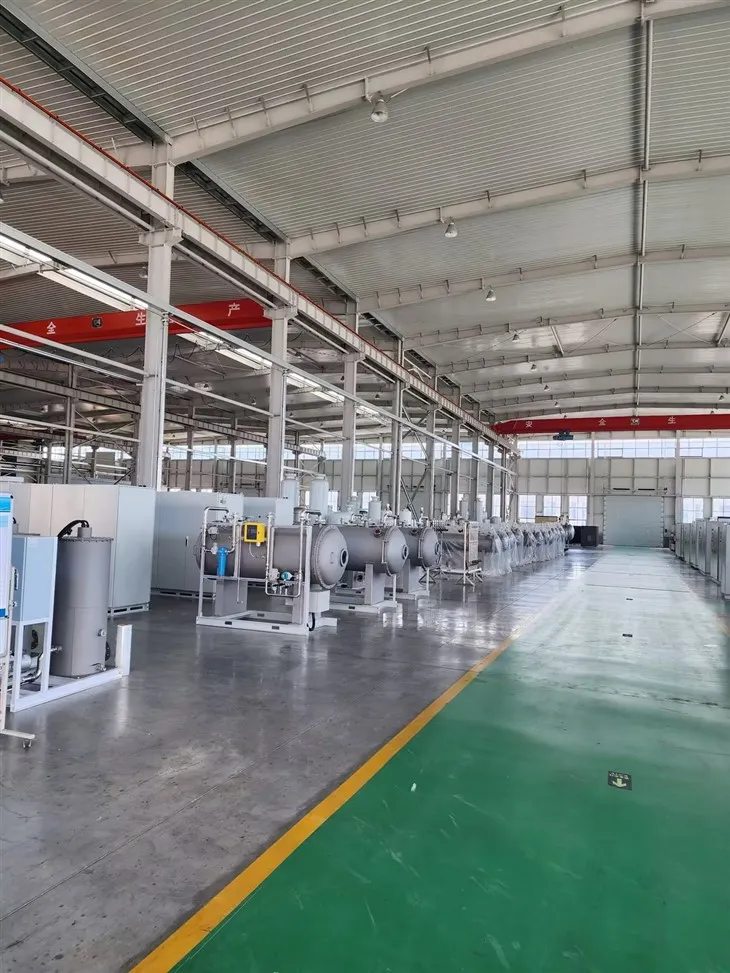
If you're in the market for industrial VFDs, we've got you covered. We offer high - quality VFDs with all these advanced protection features. And if you're interested in specific applications, check out our Ozone Generator Power Supply, Solar Pump Inverter, and Water Pump Inverter. If you have any questions or want to discuss your specific requirements, feel free to reach out to us for a procurement discussion. We're here to help you find the perfect VFD solution for your industrial needs.
References
- "Variable Frequency Drives: Selection, Application, and Troubleshooting" by Andrew Alleyne
- "Industrial Motor Control" by Timothy H. Crews