
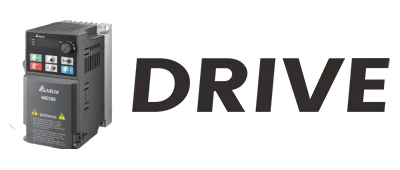
Hey there! As an industrial VFD (Variable Frequency Drive) supplier, I've seen firsthand how these nifty devices can revolutionize the textile industry. In this blog, I'm gonna break down what an industrial VFD is and how it's used in textile machines.
So, what exactly is an industrial VFD? Well, in simple terms, it's a device that controls the speed and torque of an electric motor by varying the frequency and voltage of the power supply. This means you can adjust the motor's speed according to the specific requirements of your process, whether it's speeding up for a quick production run or slowing down for a more delicate operation.
Now, let's dive into how industrial VFDs are applied in textile machines.
Spinning Machines
Spinning is a crucial process in textile manufacturing, where fibers are twisted together to form yarn. Industrial VFDs play a vital role in this process by controlling the speed of the spinning motor. By adjusting the motor speed, you can produce yarns of different thicknesses and qualities. For example, if you need a finer yarn, you can slow down the motor speed to ensure a more precise twisting process. On the other hand, if you're looking to increase production, you can speed up the motor without sacrificing quality.
Moreover, VFDs provide smooth acceleration and deceleration, which helps to reduce mechanical stress on the spinning machine. This not only extends the lifespan of the equipment but also improves the overall efficiency of the spinning process. With an industrial VFD, you can also monitor and control the motor's performance in real-time, allowing you to make adjustments on the fly and ensure consistent product quality.
Weaving Machines
Weaving is another important step in textile production, where yarns are interlaced to form fabric. Industrial VFDs are used in weaving machines to control the speed of the main drive motor, as well as the speed of the auxiliary motors that control the movement of the warp and weft yarns.
By using a VFD, you can adjust the weaving speed according to the type of fabric you're producing. For instance, if you're making a delicate silk fabric, you'll want to slow down the weaving speed to prevent damage to the yarns. Conversely, if you're producing a heavy-duty denim fabric, you can increase the speed to boost productivity.
In addition to speed control, VFDs also offer precise tension control. Maintaining the right tension in the yarns is crucial for producing high-quality fabric. With a VFD, you can adjust the tension of the warp and weft yarns independently, ensuring that they are evenly distributed across the fabric. This helps to prevent issues such as fabric defects, unevenness, and breakage.
Dyeing and Finishing Machines
Dyeing and finishing are the final steps in textile manufacturing, where the fabric is colored and treated to enhance its appearance and performance. Industrial VFDs are used in dyeing and finishing machines to control the speed of the pumps, agitators, and other components.
In dyeing machines, VFDs are used to control the flow rate of the dye solution, ensuring that it is evenly distributed across the fabric. By adjusting the speed of the pump, you can control the amount of dye that is applied to the fabric, which helps to achieve consistent coloration.
In finishing machines, VFDs are used to control the speed of the rollers, brushes, and other components that are used to treat the fabric. For example, in a calendering machine, a VFD can be used to control the speed of the rollers to apply pressure to the fabric, which helps to smooth out the surface and improve its appearance.
Advantages of Using Industrial VFDs in Textile Machines
There are several advantages to using industrial VFDs in textile machines. Here are some of the key benefits:
- Energy Efficiency: One of the biggest advantages of using a VFD is that it can significantly reduce energy consumption. By adjusting the motor speed to match the actual load requirements, a VFD can save up to 50% or more on energy costs compared to a traditional fixed-speed motor. This not only helps to reduce your operating costs but also makes your textile manufacturing process more environmentally friendly.
- Improved Product Quality: As mentioned earlier, VFDs offer precise speed and tension control, which helps to improve the quality of the textile products. By ensuring that the yarns are twisted, woven, dyed, and finished correctly, you can produce high-quality fabric that meets the standards of your customers.
- Increased Productivity: With a VFD, you can adjust the speed of the textile machines according to the production requirements, which helps to increase productivity. By speeding up the machines when needed, you can produce more products in less time, which can help to boost your bottom line.
- Reduced Maintenance Costs: VFDs provide smooth acceleration and deceleration, which helps to reduce mechanical stress on the textile machines. This not only extends the lifespan of the equipment but also reduces the need for frequent maintenance and repairs. As a result, you can save money on maintenance costs and keep your production lines running smoothly.
Other Applications of Industrial VFDs
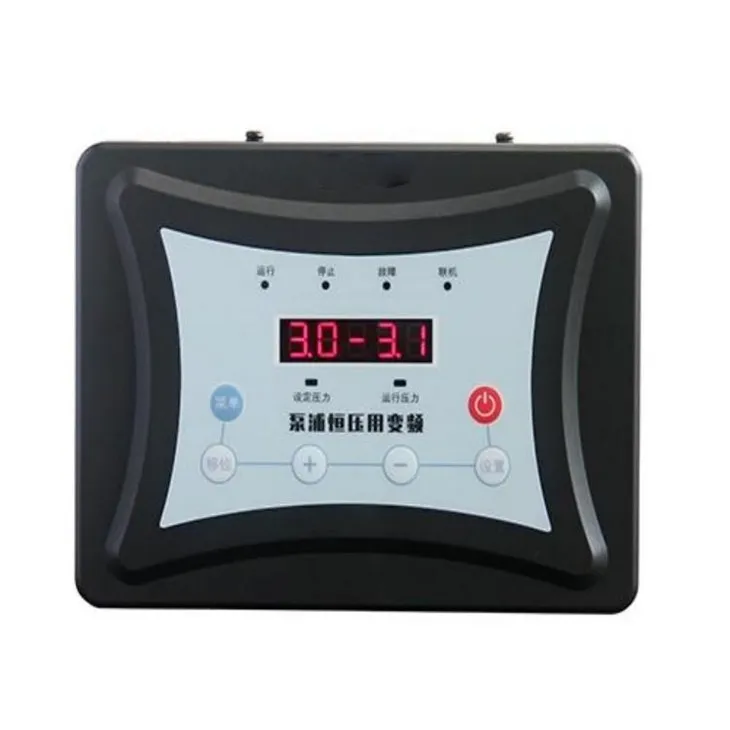
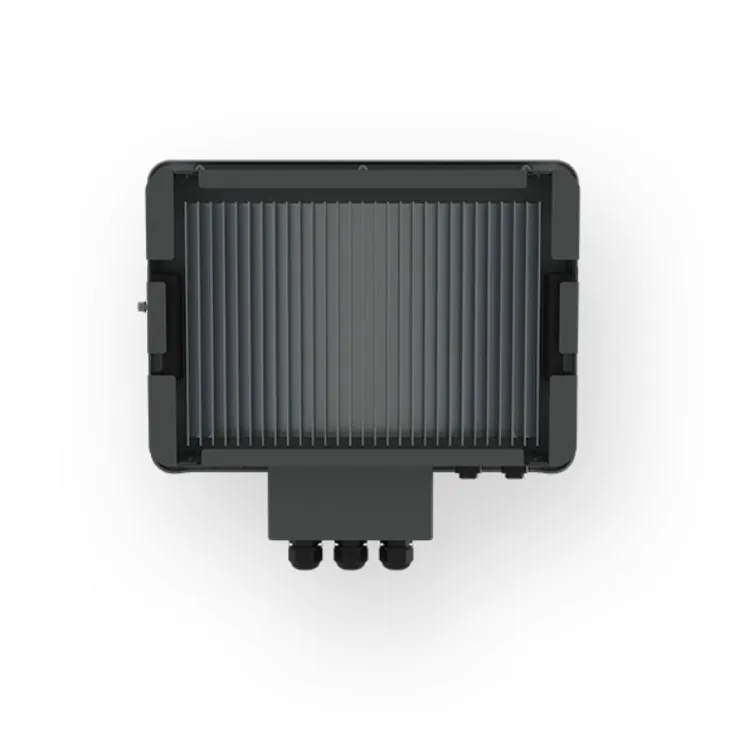
Apart from textile machines, industrial VFDs have a wide range of other applications. For example, you can check out our Solar Pump Inverter, which is designed to control the speed of solar pumps. It's a great solution for applications where you need to pump water using solar energy.
We also offer an Ozone Generator Power Supply, which is used to control the power supply to ozone generators. Ozone generators are used in various industries for water treatment, air purification, and disinfection.
And if you're in the market for a Water Pump Inverter, we've got you covered. Our water pump inverters are designed to control the speed of water pumps, which helps to save energy and improve the efficiency of water pumping systems.
Conclusion
In conclusion, industrial VFDs are an essential component in modern textile machines. They offer precise speed and tension control, energy efficiency, improved product quality, increased productivity, and reduced maintenance costs. Whether you're a small textile manufacturer or a large-scale production facility, investing in industrial VFDs can help you take your textile manufacturing process to the next level.
If you're interested in learning more about our industrial VFDs or have any questions about how they can be applied in your textile machines, feel free to reach out to us. We'd be happy to discuss your specific requirements and provide you with a customized solution. Let's work together to improve the efficiency and productivity of your textile manufacturing process!
References
- "Variable Frequency Drives: Principles and Applications" by Thomas H. Rider
- "Textile Manufacturing Processes" by Subhashis Ghosh