
Yo, what's up? I'm an authorized supplier of Siemens HMI. Every day, I get a ton of questions from customers, and one that pops up all the time is, "What is the lifespan of Siemens HMI?" Today, I'm gonna dive deep into this topic and give you all the deets.
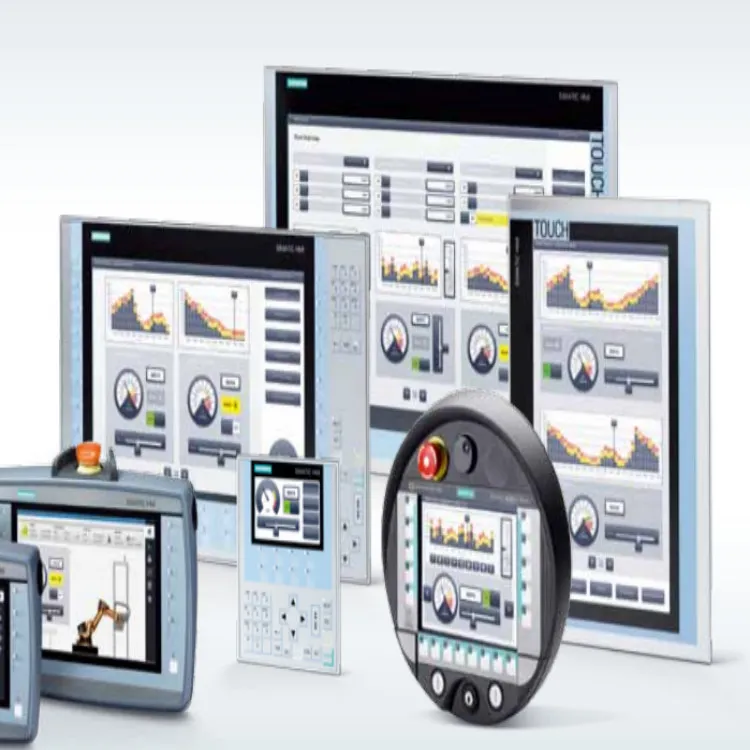
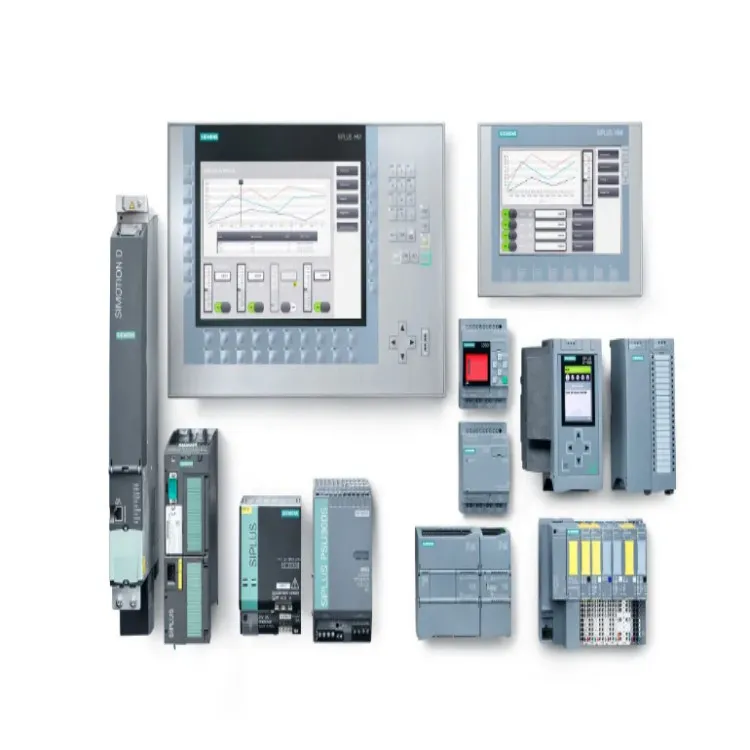
Let's start by understanding what Siemens HMI is. For those who don't know, Siemens HMI, or Human - Machine Interface, is a crucial part of industrial automation. It's like the control center that lets operators interact with machines, monitor processes, and control different functions. You got Siemens Basic HMI Siemens Basic HMI which is great for small - scale applications, offering basic functionality at a reasonable price. And then there's the Siemens SIMATIC HMI Siemens SIMATIC HMI, which is a more advanced option with tons of features for complex industrial systems.
Now, back to the main question: What's the lifespan? Well, determining the exact lifespan of a Siemens HMI isn't a one - size - fits - all answer. There are several factors that play a huge role in how long an HMI unit will last.
Environmental Factors
The environment where the HMI is placed has a big impact. If it's in a clean, temperature - controlled room, it's likely to last longer. Siemens HMIs are built to be tough, but they still have their limits. For instance, high temperatures can really mess with the internal components. If the temperature exceeds what the HMI is rated for, the hardware can start to degrade faster. Over time, the circuit boards may start to warp, and the solder joints can weaken.
Humidity is another factor. High humidity can cause corrosion on the metal parts of the HMI. Moisture can seep into the unit, leading to short - circuits and other electrical problems. On the flip side, extremely dry conditions can cause static electricity, which can also damage the sensitive electronic components.
Dust and dirt are also enemies. In industrial settings, there's often a lot of dust in the air. If the dust gets inside the HMI, it can clog the ventilation fans, causing the unit to overheat. It can also build up on the circuit boards, potentially causing electrical failures.
Usage Frequency
How often the HMI is used matters a whole lot. If it's being operated 24/7 in a busy industrial plant, it's going to experience more wear and tear compared to an HMI that's used occasionally. The touchscreens, buttons, and other input devices will get pressed and tapped more frequently. Eventually, the touchscreen may start to lose its sensitivity, and the buttons may become less responsive.
Also, continuous operation means the internal components are constantly under stress. The power supply, the processors, and the memory chips are all working non - stop. This can lead to heat buildup and faster component aging.
Quality of Installation and Maintenance
A proper installation is super important. If the HMI isn't installed correctly, it can lead to all sorts of problems down the line. For example, if the wiring isn't done right, it can cause electrical interference, which can affect the performance of the HMI. And if the mounting isn't secure, the unit may vibrate, which can damage the internal parts.
Maintenance is equally crucial. Regular cleaning of the HMI can prevent dust and dirt buildup. Checking the connections periodically can catch any loose wires early on. Updating the software on a regular basis can also help improve the performance and reliability of the HMI. If maintenance is neglected, the HMI is likely to break down sooner.
Typical Lifespan
On average, with normal use and proper maintenance, a Siemens HMI can last anywhere from 5 to 10 years. However, in some cases where the environment is ideal and the usage is low, it can last even longer. For example, in a small workshop where the HMI is only used a few hours a day and the environment is clean, the unit could easily last 12 years or more.
On the other hand, if the HMI is in a harsh industrial environment with high temperatures, humidity, and heavy dust, and if it's used continuously without much maintenance, the lifespan could be as short as 3 years.
Extending the Lifespan
So, how can you extend the lifespan of your Siemens HMI? First off, make sure to install it in a suitable environment. If possible, use air - conditioning to keep the temperature down and dehumidifiers to control the humidity. You can also install dust filters to keep the dust out.
Secondly, establish a regular maintenance schedule. Clean the HMI at least once a month, and check the connections every few months. Make sure to update the software as soon as the manufacturer releases new updates.
Why Choose Siemens HMI
Now, you might be wondering why you should even bother with Siemens HMI. Well, Siemens is a well - known and trusted brand in the industrial automation world. Their HMIs are made with high - quality materials and state - of - the - art technology. They offer a wide range of options to suit different needs and budgets. Whether you need a basic HMI for a simple application or a high - end SIMATIC HMI for a complex industrial system, Siemens has got you covered.
Let's Talk Business
If you're in the market for a Siemens HMI, or if you have any questions about the lifespan, maintenance, or anything else related to these units, I'm here to help. I've been in the business for a long time, and I've got the knowledge and experience to assist you in making the right decision. Whether you're a small - scale manufacturer or a large industrial plant, I can provide you with the best Siemens HMI solution for your specific needs.
So, don't hesitate to reach out. Let's have a chat and see how we can work together to get you the perfect Siemens HMI for your operation.
References
- Siemens official product documentation
- Industry reports on industrial automation equipment lifespans