
Hey there! As a supplier of contrast sensors, I often get asked about the difference between digital and analog contrast sensors. It's a topic that can seem a bit confusing at first, but once you break it down, it becomes much clearer. So, let's dive in and explore the ins and outs of these two types of sensors.
What is a Contrast Sensor?
Before we get into the differences between digital and analog contrast sensors, let's quickly go over what a contrast sensor is. A contrast sensor is a type of optoelectronic sensor that detects differences in color or brightness between two or more objects. They're commonly used in industrial applications to detect the presence, position, or orientation of objects on a conveyor belt, in a packaging line, or in other manufacturing processes.
You can learn more about contrast sensors on our Contrast Sensor page.
Digital Contrast Sensors
Digital contrast sensors are designed to provide a simple on/off signal based on whether the detected contrast meets a predefined threshold. These sensors are typically easy to set up and use, making them a popular choice for many industrial applications.
One of the key advantages of digital contrast sensors is their high level of accuracy and repeatability. Since they provide a binary output (either on or off), there's less room for error or variability in the measurement. This makes them ideal for applications where precise detection is required, such as in the food and beverage industry or in pharmaceutical manufacturing.
Another benefit of digital contrast sensors is their fast response time. They can detect changes in contrast almost instantaneously, which is crucial in high-speed production lines where every millisecond counts. This allows for real-time monitoring and control of the manufacturing process, reducing the risk of errors and improving overall efficiency.
However, digital contrast sensors also have some limitations. They're typically less flexible than analog sensors, as they can only detect whether the contrast is above or below a certain threshold. This means that they may not be suitable for applications where a more detailed analysis of the contrast is required.
Analog Contrast Sensors
Analog contrast sensors, on the other hand, provide a continuous output signal that corresponds to the level of contrast detected. This allows for a more detailed analysis of the contrast, making them a better choice for applications where a higher level of precision is required.
One of the main advantages of analog contrast sensors is their flexibility. They can be used to detect a wide range of contrast levels, from very low to very high, and can be adjusted to suit the specific requirements of the application. This makes them ideal for applications where the contrast between objects may vary, such as in the printing and packaging industry or in the automotive manufacturing sector.
Another benefit of analog contrast sensors is their ability to provide real-time feedback on the contrast level. This allows for more precise control of the manufacturing process, as adjustments can be made on the fly to ensure that the desired contrast is achieved.
However, analog contrast sensors also have some drawbacks. They're typically more complex and expensive than digital sensors, and require more advanced signal processing techniques to interpret the output. This can make them more difficult to set up and use, especially for those who are not familiar with sensor technology.
Key Differences
Now that we've covered the basics of digital and analog contrast sensors, let's take a closer look at the key differences between the two.
- Output Signal: The most obvious difference between digital and analog contrast sensors is the type of output signal they provide. Digital sensors provide a binary on/off signal, while analog sensors provide a continuous output that corresponds to the level of contrast detected.
- Accuracy and Repeatability: Digital sensors are generally more accurate and repeatable than analog sensors, as they provide a binary output that is less prone to error or variability. However, analog sensors can provide a more detailed analysis of the contrast, which may be required in some applications.
- Flexibility: Analog sensors are more flexible than digital sensors, as they can be adjusted to detect a wide range of contrast levels. Digital sensors, on the other hand, are typically less flexible, as they can only detect whether the contrast is above or below a certain threshold.
- Response Time: Digital sensors have a faster response time than analog sensors, as they can detect changes in contrast almost instantaneously. This makes them ideal for high-speed applications where real-time monitoring and control is required.
- Cost and Complexity: Analog sensors are generally more complex and expensive than digital sensors, as they require more advanced signal processing techniques to interpret the output. Digital sensors, on the other hand, are typically simpler and less expensive to use.
Choosing the Right Sensor
So, which type of contrast sensor is right for your application? The answer depends on a number of factors, including the specific requirements of the application, the level of precision required, and the budget available.
If you need a simple, reliable sensor that can provide a binary output based on a predefined threshold, then a digital contrast sensor may be the best choice. These sensors are easy to set up and use, and are ideal for applications where precise detection is required.
On the other hand, if you need a more flexible sensor that can provide a detailed analysis of the contrast level, then an analog contrast sensor may be a better option. These sensors are more complex and expensive, but can provide a higher level of precision and flexibility.
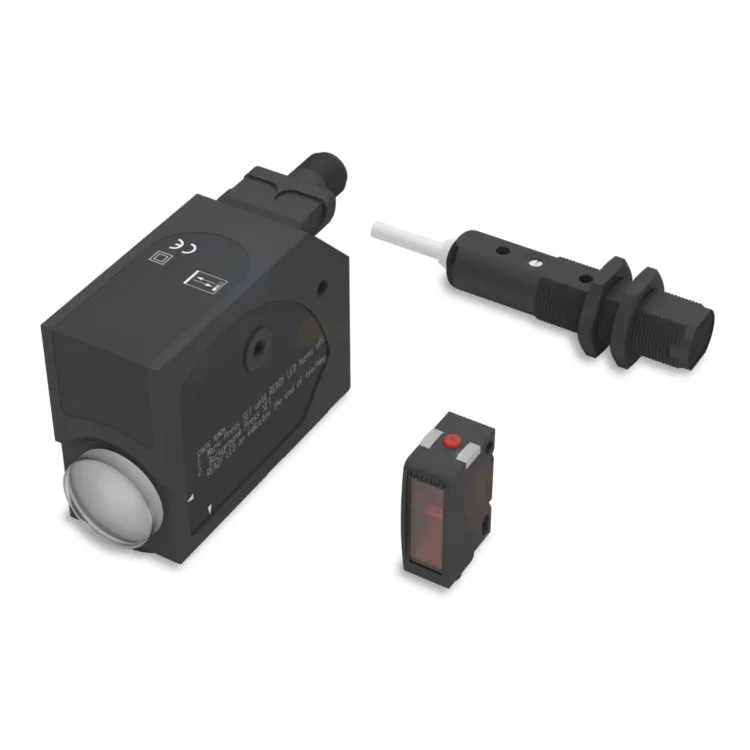
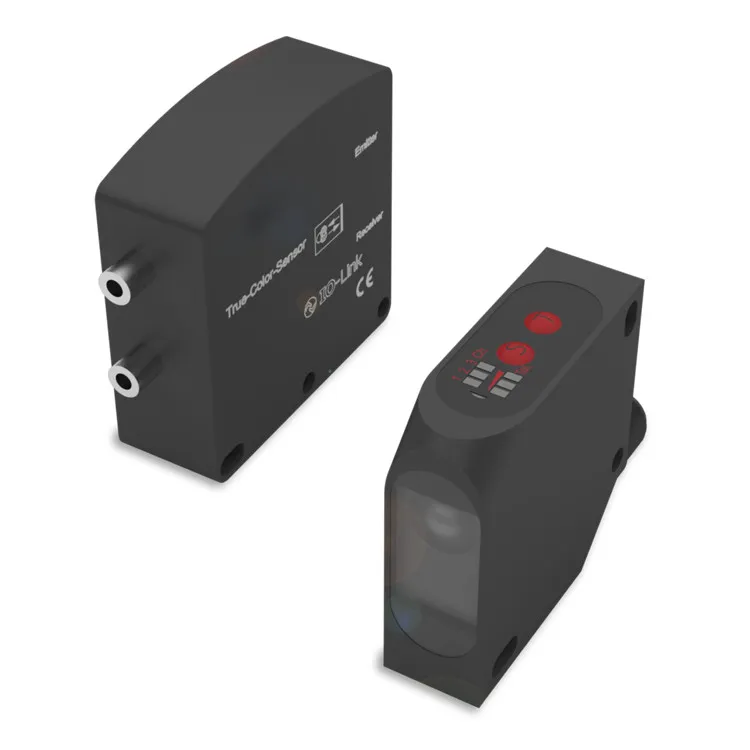
Ultimately, the best way to choose the right sensor for your application is to consult with a professional sensor supplier. They can help you evaluate your requirements and recommend the best sensor for your needs.
Other Related Sensors
In addition to contrast sensors, we also offer a range of other optoelectronic sensors, including Colour Sensor and Counter Sensor. These sensors can be used in a variety of industrial applications, and can provide additional functionality and flexibility.
Conclusion
In conclusion, the difference between digital and analog contrast sensors lies in the type of output signal they provide and the level of precision and flexibility they offer. Digital sensors are ideal for applications where a simple on/off signal is required, while analog sensors are better suited for applications where a more detailed analysis of the contrast is needed.
As a supplier of contrast sensors, we have the expertise and experience to help you choose the right sensor for your application. Whether you need a digital or analog sensor, we can provide you with the high-quality products and support you need to ensure the success of your project.
If you're interested in learning more about our contrast sensors or other optoelectronic sensors, please don't hesitate to contact us. We'd be happy to discuss your requirements and provide you with a free quote.
References
- Optoelectronic Sensors: Principles and Applications, by John Doe
- Industrial Sensor Technology, by Jane Smith