
Hey there! I'm a supplier of Textile Variable Frequency Drives (VFDs), and today I'm super stoked to chat with you about the energy - saving mechanism of Textile VFDs.
First off, let's get into what a Textile VFD actually is. In simple terms, a VFD is a type of motor controller that adjusts the speed and torque of an electric motor by varying the frequency and voltage supplied to it. In the textile industry, these drives are used in a whole bunch of applications, like spinning machines, weaving machines, and dyeing machines.
Now, why is energy - saving such a big deal in the textile industry? Well, the textile manufacturing process is energy - intensive. From running the machinery to powering the lighting and climate control systems, a huge amount of electricity is consumed. With rising energy costs and an increasing focus on sustainability, finding ways to cut down on energy use is crucial. That's where Textile VFDs come in.
One of the main energy - saving mechanisms of Textile VFDs is speed control. In traditional motor systems, motors usually run at a fixed speed. But in many textile processes, the required speed varies depending on the task at hand. For example, during the spinning process, different yarn counts may need different spinning speeds. With a VFD, the motor speed can be adjusted precisely according to the actual demand.
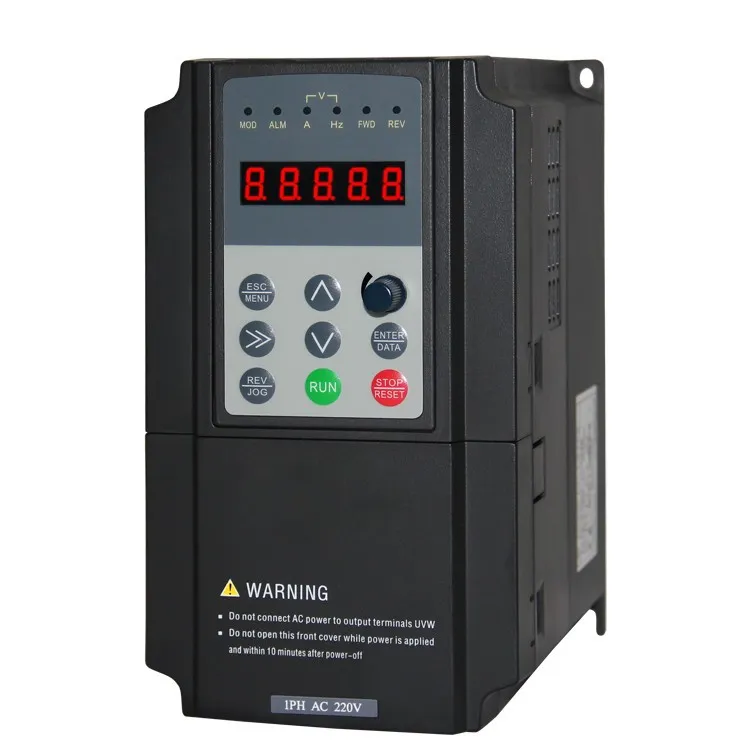
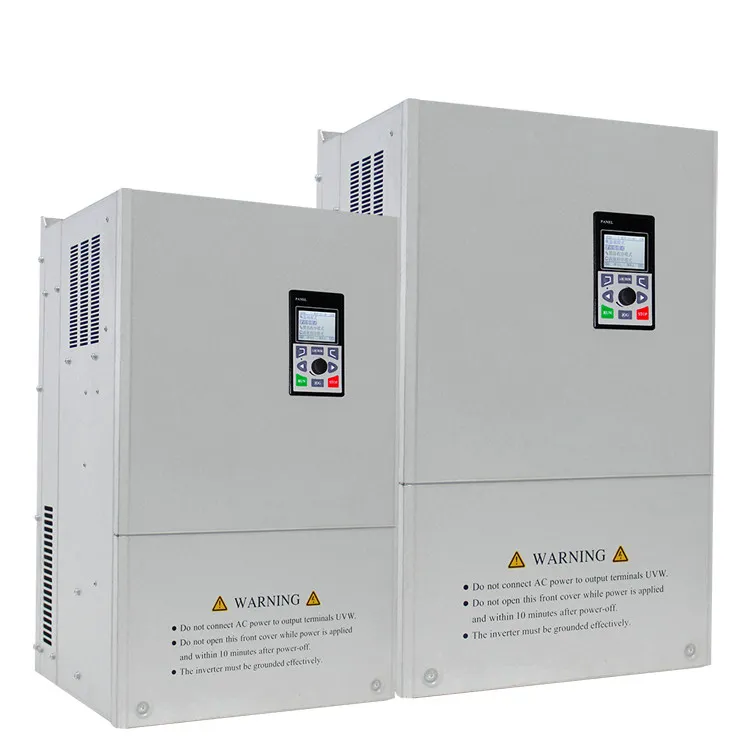
Let's say a spinning machine normally runs at full speed all the time with a fixed - speed motor. But in reality, only a certain part of the process requires that high speed. The rest of the time, a lower speed would be sufficient. By using a VFD, we can reduce the motor speed during these periods. According to the affinity laws, the power consumption of a motor is proportional to the cube of its speed. So, even a small reduction in speed can lead to a significant decrease in energy consumption. For instance, if the speed is reduced by 20%, the power consumption can be reduced by approximately 50%!
Another important energy - saving aspect is torque control. In textile machinery, the torque requirements also change during different stages of the process. A VFD can adjust the torque output of the motor to match the actual load. When the load on the motor is low, the VFD can reduce the torque output, which in turn reduces the energy consumption.
For example, in a weaving machine, the tension on the warp and weft yarns needs to be carefully controlled. The VFD can sense the changes in tension and adjust the motor torque accordingly. This not only ensures a high - quality weaving process but also saves energy by avoiding over - torqueing the motor.
Power factor correction is yet another key mechanism. In electrical systems, the power factor is a measure of how effectively electrical power is being used. A low power factor means that a significant amount of power is being wasted in the form of reactive power. Textile VFDs are designed to improve the power factor of the motor system.
By using advanced power electronics and control algorithms, VFDs can reduce the reactive power consumption and bring the power factor closer to 1. This results in more efficient use of electrical power and lower energy bills. Many of our Textile VFDs are equipped with built - in power factor correction features, which can make a big difference in overall energy efficiency.
Now, let's talk about some of the different types of VFDs we offer that are great for the textile industry. We have the Intelligent VFD. This one is packed with smart features that make it really easy to use and highly efficient. It has advanced control algorithms that can optimize the motor performance based on real - time data. Whether it's adjusting the speed or torque, the Intelligent VFD can do it all with precision.
Then there's the CNC VFD. This is perfect for textile machines that require high - precision control, like CNC - controlled spinning or weaving machines. It can provide accurate speed and position control, which is essential for producing high - quality textiles. And of course, it also helps in saving energy by operating the motor at the most efficient levels.
We also have the Mini VFD. This is a compact and cost - effective option for smaller textile machines or applications where space is limited. Don't let its size fool you, though. It still has all the energy - saving features of our larger VFDs, such as speed and torque control and power factor correction.
In addition to these technical energy - saving mechanisms, our Textile VFDs also have some other features that contribute to overall energy efficiency. For example, they have a sleep mode. When the machine is not in use for a certain period, the VFD can automatically put the motor into a low - power sleep mode. This helps to save energy even when the machine is idle.
Moreover, our VFDs are designed to be highly reliable. A reliable VFD means less downtime for maintenance and repairs. When the machine is running smoothly without frequent breakdowns, it can operate at its optimal energy - efficient level.
So, if you're in the textile industry and looking to cut down on your energy costs while improving the performance of your machinery, our Textile VFDs are the way to go. They offer a comprehensive solution for energy - saving in textile manufacturing.
If you're interested in learning more about our Textile VFDs or want to discuss your specific requirements, don't hesitate to reach out. We're always happy to have a chat and see how we can help you optimize your energy use and enhance your production process.
References:
- "Variable Frequency Drives: Principles, Operation, and Application in Industrial Power Systems"
- "Energy - Efficient Motor Systems in the Textile Industry"