
Function chart programming, also known as sequential function chart (SFC) programming, is a powerful and intuitive programming method in Siemens PLC systems. As a Siemens PLC supplier, I have witnessed firsthand the significant role that function chart programming plays in various industrial automation applications. In this blog, I will delve into what function chart programming is in Siemens PLC, its advantages, and how it can be effectively utilized in practical scenarios.
Understanding Function Chart Programming in Siemens PLC
Function chart programming in Siemens PLC is a graphical programming language that represents the sequential control of a process. It divides a complex control task into smaller, more manageable steps or states, and defines the transitions between these states based on specific conditions. This approach is particularly useful for applications where a process needs to be executed in a specific sequence, such as assembly lines, batch processing, and conveyor systems.
The basic elements of a function chart in Siemens PLC include states, transitions, and actions. States represent the different phases of a process, and each state can have one or more associated actions that are executed when the state is active. Transitions define the conditions under which the control flow moves from one state to the next. These conditions can be based on input signals, timers, counters, or other logical expressions.
For example, consider a simple conveyor system that transports products from one end to the other. The function chart for this system might have states such as "Start," "Conveyor Running," and "Stop." The transition from the "Start" state to the "Conveyor Running" state could be triggered by a start button signal, and the transition from the "Conveyor Running" state to the "Stop" state could be triggered by a sensor indicating that the product has reached the end of the conveyor.
Advantages of Function Chart Programming
One of the main advantages of function chart programming in Siemens PLC is its simplicity and readability. The graphical nature of the function chart makes it easy for engineers and technicians to understand the control logic at a glance, even for complex processes. This reduces the time and effort required for programming, debugging, and maintenance.
Another advantage is its modularity. Each state in the function chart can be designed and tested independently, which allows for easier modification and expansion of the control program. If a new step needs to be added to the process, it can be simply inserted into the function chart without affecting the other states.
Function chart programming also provides better error handling and fault diagnosis. Since the control flow is clearly defined by the states and transitions, it is easier to identify where a problem has occurred in the process. For example, if the conveyor system stops unexpectedly, the function chart can be used to determine which state the system was in and what conditions should have triggered the next transition.
Implementing Function Chart Programming in Siemens PLC
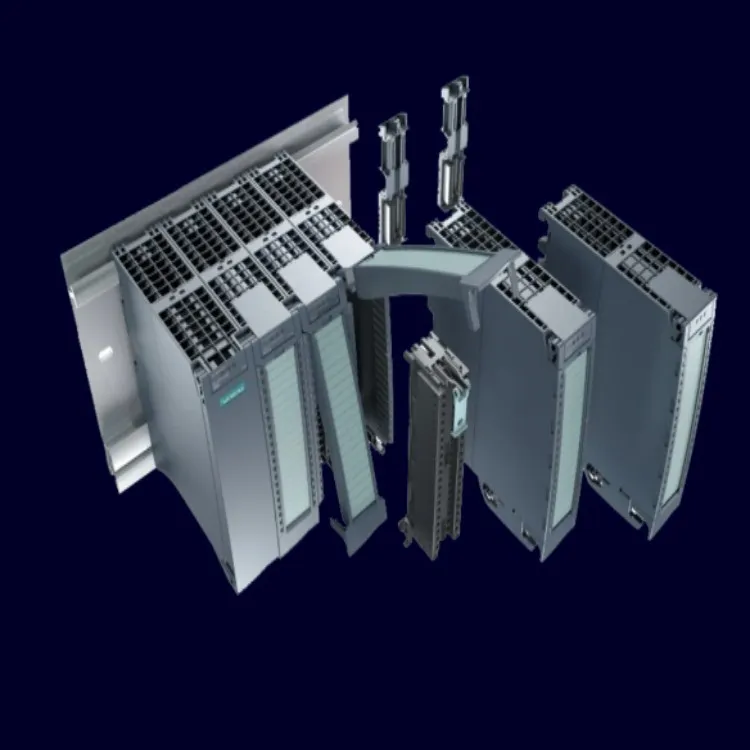
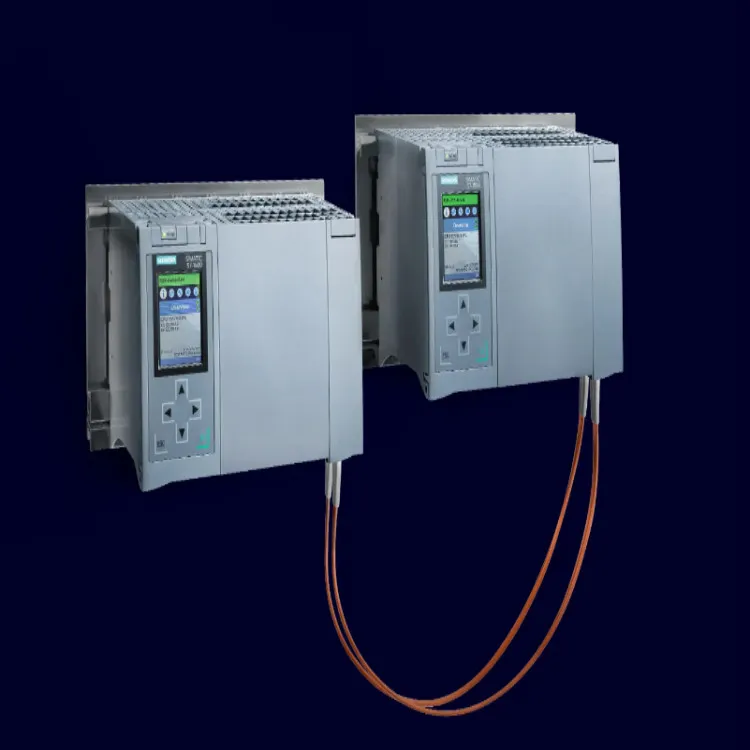
Siemens offers several programming environments that support function chart programming, such as TIA Portal for Siemens PLC S7 1200 and Siemens PLC S7 1500, and Step 7 for Siemens PLC S7 200. These environments provide a user-friendly interface for creating, editing, and simulating function charts.
To create a function chart in TIA Portal, for example, you first need to define the states and transitions of the process. You can then add actions to each state, such as setting output signals, starting timers, or calling other programs. Once the function chart is created, you can simulate it to verify its functionality before downloading it to the PLC.
When implementing function chart programming in a real-world application, it is important to consider the following factors:
- Input and output signals: Make sure that the input signals used for the transitions are reliable and accurate. Similarly, the output signals generated by the actions should be properly connected to the actuators in the system.
- Timing and sequencing: Pay attention to the timing requirements of the process. Use timers and counters to ensure that the transitions occur at the right time.
- Error handling: Incorporate error handling mechanisms into the function chart to deal with unexpected situations, such as sensor failures or power outages.
Practical Applications of Function Chart Programming
Function chart programming is widely used in various industries, including manufacturing, food and beverage, and automotive. Here are some examples of how it can be applied in different scenarios:
- Assembly lines: In an assembly line, function chart programming can be used to control the movement of the products along the line, the operation of the assembly machines, and the quality inspection process. Each step in the assembly process can be represented as a state in the function chart, and the transitions can be triggered by sensors or other input signals.
- Batch processing: In a batch processing system, such as a chemical reactor or a food processing plant, function chart programming can be used to control the addition of raw materials, the heating and cooling processes, and the discharge of the finished product. The function chart can ensure that each batch is processed correctly and consistently.
- Conveyor systems: As mentioned earlier, function chart programming is well-suited for controlling conveyor systems. It can be used to start and stop the conveyor, control the speed of the conveyor, and detect and handle any blockages or jams.
Conclusion
Function chart programming is a valuable tool for programming Siemens PLCs. Its simplicity, readability, and modularity make it an ideal choice for sequential control applications. As a Siemens PLC supplier, I can provide you with the necessary products and support to implement function chart programming in your projects.
If you are interested in learning more about function chart programming or need assistance with your Siemens PLC projects, please feel free to contact us for a procurement discussion. We have a team of experienced engineers who can help you find the best solutions for your specific needs.
References
- Siemens AG. (20XX). Programming Manual for [PLC Model].
- Industrial Automation Handbook. (20XX). A comprehensive guide to industrial automation technologies.