
Hey there! As an IO-Link supplier, I'm super stoked to chat about the role of IO-Link in logistics automation. It's a game-changer in the industry, and I can't wait to break it down for you.
What's IO-Link Anyway?
First things first, let's get a handle on what IO-Link is. IO-Link is a standardized communication technology (IEC 61131-9) that allows for seamless data exchange between sensors, actuators, and control systems. It's like a superhighway for information, enabling real-time communication and control in industrial settings.
In logistics automation, where efficiency and accuracy are key, IO-Link plays a crucial role. It simplifies the connection of sensors and actuators, making it easier to integrate them into existing systems. This means that you can get more data from your devices, make better decisions, and ultimately improve the performance of your logistics operations.
Simplifying Device Integration
One of the biggest challenges in logistics automation is integrating different types of sensors and actuators into a single system. With traditional wiring methods, it can be a real headache to connect and configure each device. But IO-Link changes all that.
IO-Link uses a single, unshielded cable to connect sensors and actuators to an IO-Link Master. This not only reduces the amount of wiring required but also makes it easier to install and maintain the system. And because IO-Link is a standardized technology, you can mix and match devices from different manufacturers, giving you more flexibility and choice.
For example, let's say you're using a conveyor belt system in your warehouse. You might have sensors to detect the presence of packages, actuators to control the movement of the belt, and a control system to manage the entire process. With IO-Link, you can easily connect all of these devices to an IO-Link Master, which then communicates with the control system. This simplifies the installation and configuration process, saving you time and money.
Real-Time Data Collection and Analysis
Another major advantage of IO-Link in logistics automation is its ability to collect and analyze real-time data. Sensors connected to an IO-Link system can provide detailed information about the status of your equipment, such as temperature, pressure, and vibration. This data can be used to monitor the performance of your logistics operations, identify potential problems before they occur, and make proactive decisions to improve efficiency.
For instance, if a sensor on a conveyor belt detects a sudden increase in temperature, it could indicate a problem with the motor or the bearings. The IO-Link system can immediately send an alert to the control system, which can then take action to prevent a breakdown. This not only reduces downtime but also saves you money on repairs and maintenance.
In addition to monitoring equipment status, IO-Link can also be used to track the movement of goods through your logistics network. By attaching sensors to packages or pallets, you can track their location, temperature, and other parameters in real-time. This allows you to optimize your inventory management, improve order fulfillment, and provide better customer service.
Predictive Maintenance
Predictive maintenance is a key application of IO-Link in logistics automation. By collecting and analyzing data from sensors, you can predict when equipment is likely to fail and schedule maintenance before it happens. This helps to reduce downtime, increase equipment reliability, and save money on maintenance costs.
For example, let's say you have a fleet of forklifts in your warehouse. By installing IO-Link sensors on the forklifts, you can monitor the performance of the engine, the brakes, and other critical components. The sensors can collect data on factors such as temperature, vibration, and oil pressure, which can be analyzed to detect signs of wear and tear. If the data indicates that a component is likely to fail soon, the IO-Link system can send an alert to the maintenance team, who can then schedule a repair or replacement before the forklift breaks down.
Improved Safety
Safety is always a top priority in logistics automation. IO-Link can help to improve safety by providing real-time information about the status of your equipment and the environment. For example, sensors can be used to detect the presence of people or objects in hazardous areas, such as near conveyor belts or forklifts. If a sensor detects a potential safety hazard, the IO-Link system can immediately send an alert to the control system, which can then take action to prevent an accident.
In addition to detecting safety hazards, IO-Link can also be used to monitor the performance of safety equipment, such as emergency stop buttons and safety gates. By collecting data on the operation of these devices, you can ensure that they are functioning properly and take action to maintain or replace them if necessary.
Choosing the Right IO-Link Components
As an IO-Link supplier, I know that choosing the right components is crucial for the success of your logistics automation project. Here are some key components to consider:
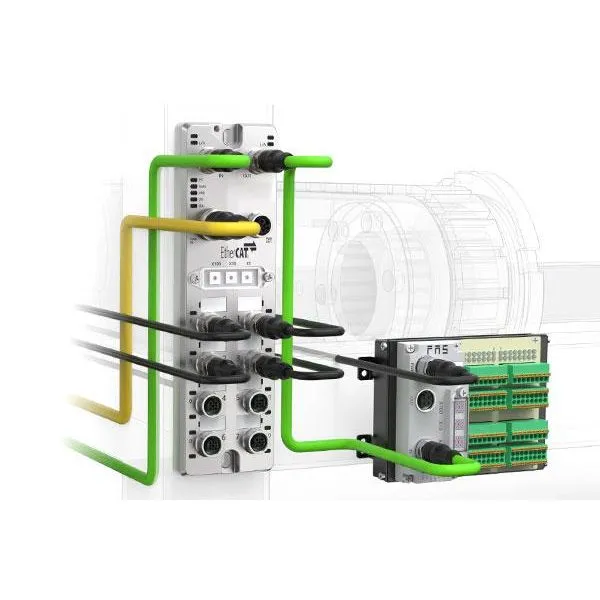
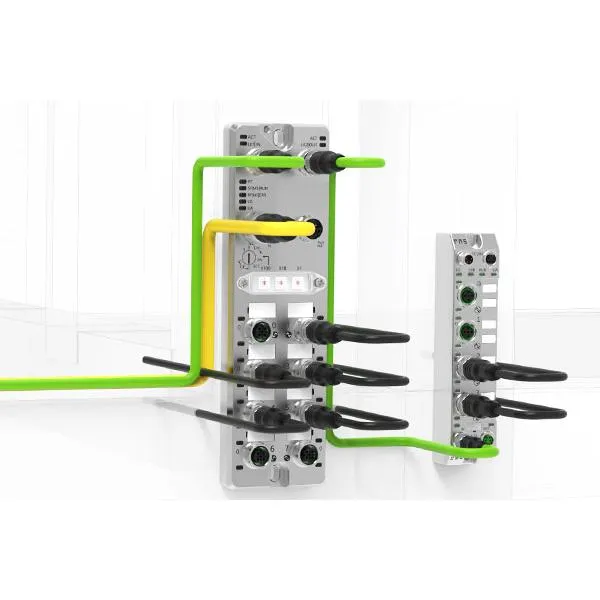
- IO-Link Master: The IO-Link Master is the central hub of the IO-Link system. It communicates with the sensors and actuators and manages the data exchange between them and the control system. You can find more information about our IO-Link Master on our website.
- Unmanaged Switch: An Unmanaged Switch is used to connect multiple IO-Link Masters to a network. It provides a simple and cost-effective way to expand your IO-Link system. Check out our Unmanaged Switch for more details.
- Multi-protocol Network Module: A Multi-protocol Network Module allows you to integrate your IO-Link system with different types of networks, such as Ethernet, Profibus, and CANopen. This gives you more flexibility and choice when it comes to connecting your IO-Link devices to your control system. Learn more about our Multi-protocol Network Module.
Final Thoughts
In conclusion, IO-Link is a powerful technology that can revolutionize logistics automation. It simplifies device integration, enables real-time data collection and analysis, supports predictive maintenance, and improves safety. By choosing the right IO-Link components and working with a reliable supplier, you can take your logistics operations to the next level.
If you're interested in learning more about how IO-Link can benefit your logistics automation project, or if you're ready to start a procurement discussion, don't hesitate to reach out. I'm here to answer your questions and help you find the best solutions for your needs.
References
- "IO-Link Specification", International Electrotechnical Commission (IEC) 61131-9.
- "Logistics Automation Trends", Industry Reports and Research Papers.