
In the realm of industrial control and automation, Handheld Human - Machine Interfaces (HMIs) have emerged as indispensable tools. As a supplier of Handheld HMIs, I've witnessed firsthand the critical role these devices play in various industries. One question that often comes up in discussions with clients is, "What is the weight of a Handheld HMI?" This seemingly simple question has far - reaching implications for usability, portability, and overall user experience.
The Significance of Weight in Handheld HMIs
The weight of a Handheld HMI is not just a matter of physical heft; it is a key factor that can influence the efficiency and effectiveness of its use. In industrial settings, workers may need to carry the HMI around for extended periods, moving from one machine to another, or operating in different areas of a large facility. A heavy HMI can quickly lead to fatigue, which in turn can affect productivity and even safety. On the other hand, an HMI that is too light may feel flimsy and lack the durability required for rugged industrial environments.
When a worker has to hold an HMI for hours at a time, every extra ounce matters. Fatigue can set in quickly, causing the worker to make mistakes or take shortcuts. For example, in a manufacturing plant, an operator using a heavy Handheld HMI to monitor and control multiple production lines may become tired after a few hours. This fatigue can lead to slower response times, missed alerts, or incorrect inputs, all of which can have a negative impact on the production process.
Factors Affecting the Weight of Handheld HMIs
Several factors contribute to the weight of a Handheld HMI. One of the most significant factors is the size of the display. Larger displays generally require more materials and components, which can add to the overall weight. For instance, a Handheld HMI with a 10 - inch display will typically be heavier than one with a 5 - inch display. The type of display technology also plays a role. High - resolution displays with advanced features such as touch sensitivity and bright backlighting may require additional components, increasing the weight.
The internal components of the HMI, such as the processor, memory, and battery, also contribute to its weight. More powerful processors and larger amounts of memory are often necessary for complex applications, but they can add significant weight. Similarly, the battery capacity is a crucial factor. A Handheld HMI that needs to operate for long periods without recharging will require a larger battery, which will increase the weight.
The construction materials used in the HMI also affect its weight. HMIs designed for industrial use are often built with robust materials to withstand harsh environments. Materials such as aluminum or stainless steel can provide excellent durability but are heavier than plastic. However, plastic may not offer the same level of protection against impacts, vibrations, and chemical exposure.
Ideal Weight Ranges for Different Applications
The ideal weight of a Handheld HMI depends on the specific application. In general, for applications where the HMI needs to be carried around frequently, a weight of around 500 grams to 1 kilogram is considered ideal. This range provides a good balance between portability and functionality.
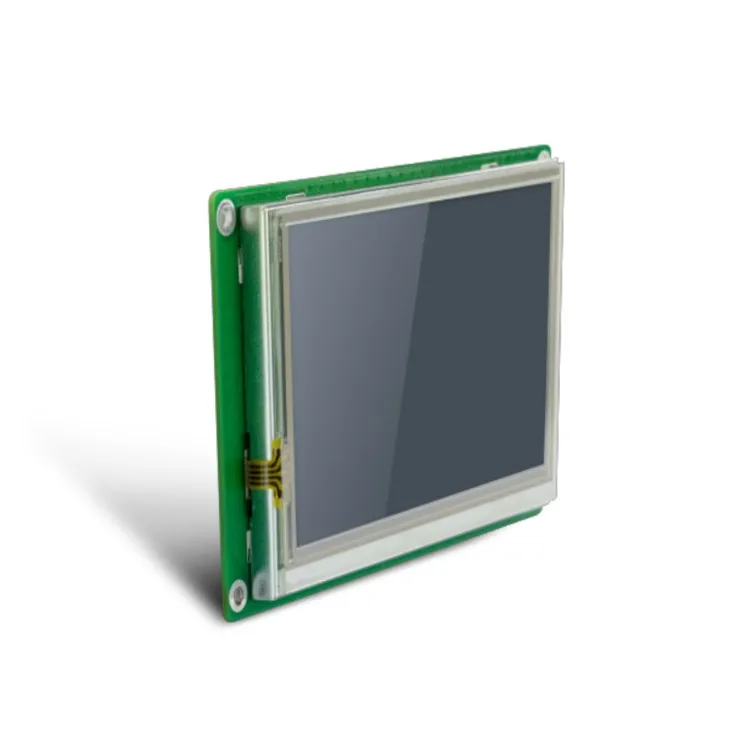
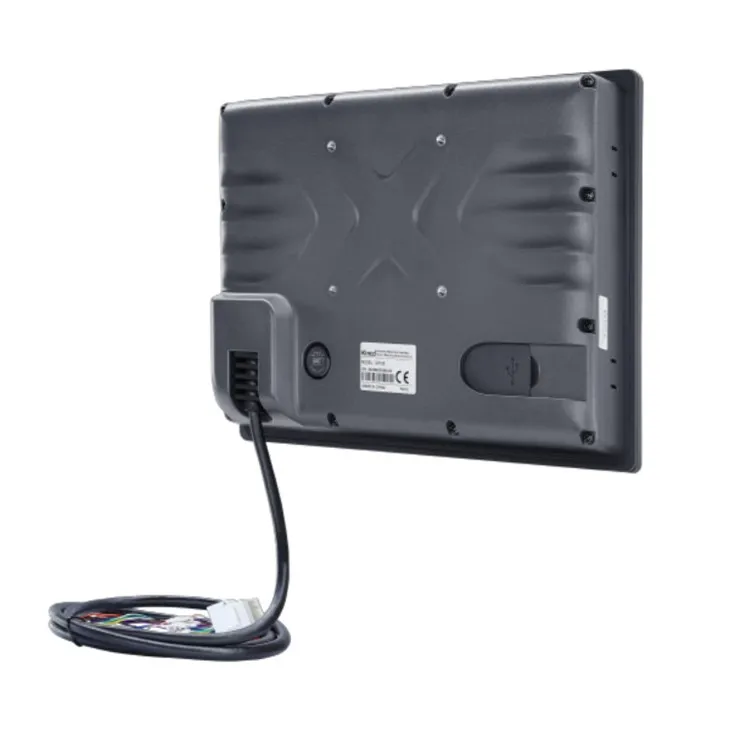
In applications where the HMI is used mainly in a fixed position or for short periods, a slightly heavier device may be acceptable. For example, in a control room where operators use the HMI to monitor a large industrial process, the HMI can be placed on a desk or a mounting bracket. In this case, a weight of up to 2 kilograms may not be a significant issue.
In contrast, for applications that require extreme portability, such as field service or maintenance work, a lighter HMI is preferred. Some lightweight Handheld HMIs weigh as little as 300 grams, making them easy to carry around in a pocket or a small tool bag.
Our Handheld HMI Offerings
As a Handheld HMI supplier, we understand the importance of weight in different applications. We offer a wide range of Handheld HMIs with varying weights to meet the diverse needs of our customers.
Our Embedded HMI series is designed for seamless integration into industrial systems. These HMIs are available in different sizes and weights, allowing customers to choose the one that best suits their requirements. The smaller models in this series are lightweight and highly portable, making them ideal for field applications.
For applications that require protection against water and dust, our Waterproof Touch Screen Handheld HMIs are a great choice. These HMIs are built with rugged materials to ensure durability in harsh environments. Despite their robust construction, we have managed to keep the weight within a reasonable range to ensure ease of use.
Our HVAC HMI series is specifically designed for the heating, ventilation, and air - conditioning industry. These HMIs are optimized for the unique requirements of HVAC systems, with features such as temperature and humidity monitoring. We have carefully balanced the weight of these HMIs to ensure that they are easy to handle while providing all the necessary functionality.
Importance of Weight in User Experience
The weight of a Handheld HMI has a direct impact on the user experience. A well - weighted HMI feels comfortable in the hand, allowing the user to operate it for extended periods without discomfort. This comfort can lead to increased productivity and user satisfaction.
When a user holds a Handheld HMI, the distribution of weight is also important. A well - designed HMI will have a balanced weight distribution, so that it doesn't feel top - heavy or lopsided. This balance makes it easier for the user to hold the HMI steady, especially when making precise inputs on the touch screen.
In addition, the weight can affect the perceived quality of the HMI. A heavier HMI may give the impression of being more durable and robust, while a very light HMI may seem flimsy. However, this perception needs to be balanced with the actual requirements of the application. A heavy HMI may not always be the best choice if portability is a key factor.
How We Optimize Weight in Our Handheld HMIs
At our company, we use a combination of advanced materials and design techniques to optimize the weight of our Handheld HMIs. We carefully select the components and materials to ensure that we achieve the best balance between weight, durability, and functionality.
For example, we use lightweight yet strong plastics for the outer casing of some of our HMIs. These plastics are engineered to provide excellent protection against impacts and scratches while keeping the weight down. In addition, we use high - density batteries that offer long - lasting power without adding excessive weight.
Our design team also pays close attention to the internal layout of the HMI. By carefully arranging the components, we can reduce the overall size and weight of the device. We use compact circuit boards and advanced miniaturization techniques to pack all the necessary functionality into a small space.
Conclusion
The weight of a Handheld HMI is a critical factor that can significantly impact its usability, portability, and user experience. As a Handheld HMI supplier, we recognize the importance of offering a range of products with different weights to meet the diverse needs of our customers. Whether you need a lightweight HMI for field applications or a more robust device for industrial control rooms, we have the right solution for you.
If you are interested in learning more about our Handheld HMIs or have specific requirements for your application, we encourage you to contact us for a detailed discussion. Our team of experts is ready to assist you in selecting the best HMI for your needs and can provide you with all the information you need to make an informed decision.
References
- Industrial Automation Handbook.
- Human - Machine Interface Design Principles.
- Research Papers on Handheld Device Ergonomics.