
Hey there! I'm a supplier of Textile VFDs, and today I wanna chat about one of its super cool features: the self - diagnostic function.
First off, let's get a quick understanding of what a Textile VFD is. A Textile VFD, or Variable Frequency Drive, is a key piece of equipment in the textile industry. It's used to control the speed of electric motors, which is crucial for various textile manufacturing processes like spinning, weaving, and dyeing. You can learn more about it Textile VFD.
Now, the self - diagnostic function of a Textile VFD is like having a little doctor inside the device. It constantly monitors the drive's internal and external conditions to make sure everything is running smoothly.
One of the main advantages of this self - diagnostic function is that it can detect problems early. For example, it can keep an eye on the temperature of the VFD. If the temperature starts to rise above the normal range, it could be a sign of a cooling system issue or an overloaded motor. The VFD will then send out an alarm, letting the operators know that something is wrong. This early warning can prevent more serious damage to the equipment and save a lot of money in the long run.
Another aspect that the self - diagnostic function checks is the electrical parameters. It monitors things like voltage, current, and frequency. Any abnormal changes in these parameters can indicate a potential problem. For instance, if the current suddenly spikes, it might mean that there's a short - circuit in the motor or a problem with the wiring. By detecting these issues early, the operators can take corrective actions before the equipment fails completely.
The self - diagnostic function also helps with maintenance. It can keep a record of the VFD's operating history, including the number of starts and stops, the running time, and any fault events. This data can be very useful for maintenance teams. They can analyze the data to identify patterns and predict when maintenance might be required. For example, if a particular VFD has a history of overheating after a certain number of hours of operation, the maintenance team can schedule preventive maintenance to clean the cooling system or replace worn - out parts.
In addition to these basic checks, modern Textile VFDs with self - diagnostic functions can also perform more advanced tests. Some VFDs can perform a self - test when they are powered on. This test checks the integrity of the internal circuits and components. If any faults are detected during the self - test, the VFD will not start up, preventing further damage.
Comparing Textile VFDs with other types of VFDs, like Intelligent VFD and Elevator VFD, they all have self - diagnostic functions, but the focus is different. Intelligent VFDs are more focused on energy efficiency and advanced control algorithms, so their self - diagnostic functions might be more related to optimizing these aspects. Elevator VFDs, on the other hand, need to ensure the safety and smooth operation of elevators, so their self - diagnostic functions are more centered around safety - critical parameters.
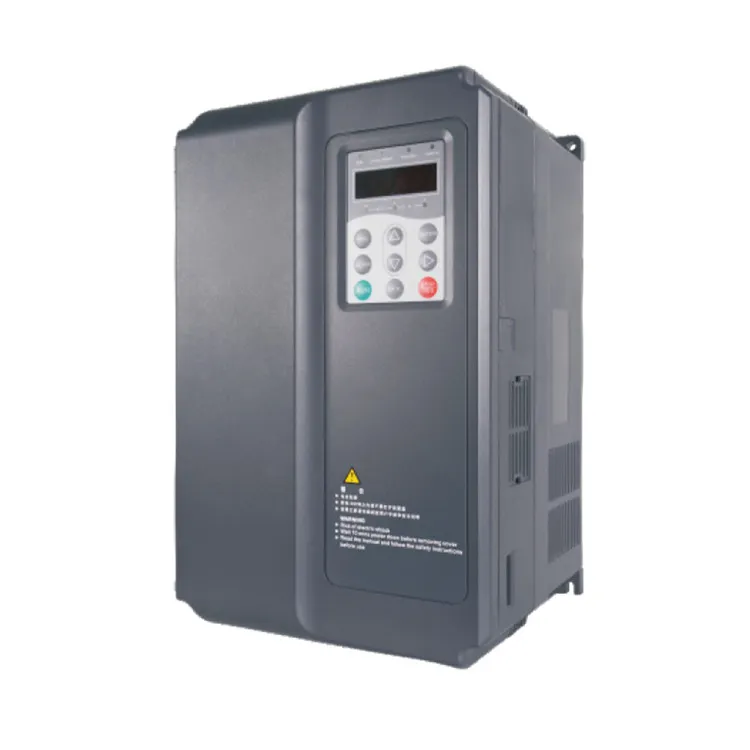
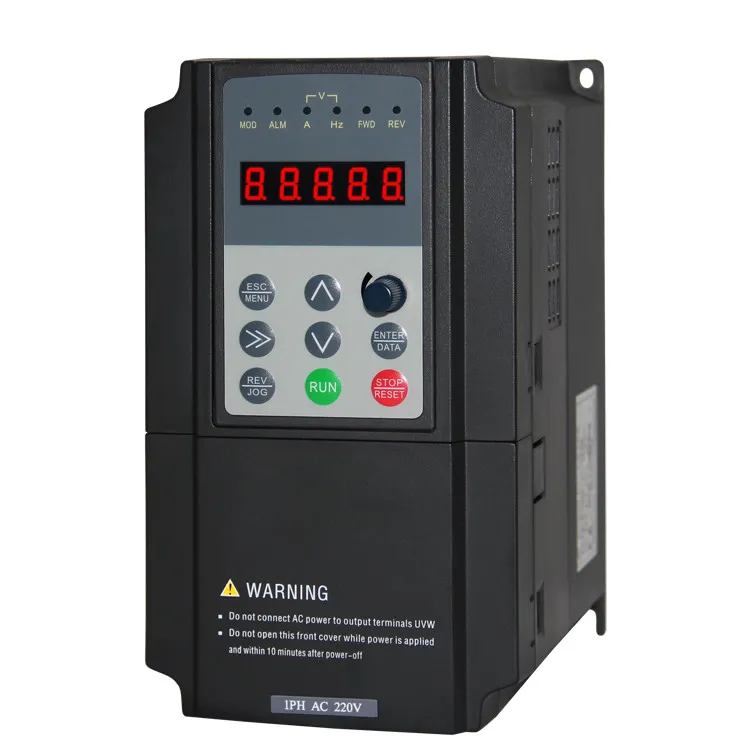
When it comes to the implementation of the self - diagnostic function, it usually involves a combination of hardware and software. The hardware includes sensors that measure the various parameters, and the software analyzes the data and makes decisions. The sensors are placed at key points inside the VFD and the connected motor. They send the data to a microcontroller, which then processes the information and determines if there are any problems.
The software part of the self - diagnostic function is constantly evolving. With the development of artificial intelligence and machine learning, VFDs can now learn from past data and improve their diagnostic accuracy. For example, they can use machine learning algorithms to predict faults based on historical data and real - time sensor readings. This makes the self - diagnostic function even more powerful and reliable.
Now, you might be wondering how our Textile VFDs stack up against the competition. Well, our VFDs are designed with the latest technology and have a very accurate and reliable self - diagnostic function. We've spent a lot of time and effort in research and development to make sure that our VFDs can detect problems quickly and accurately. Our customers have reported that they've saved a lot of time and money on maintenance and repairs thanks to the self - diagnostic function of our Textile VFDs.
If you're in the textile industry and are looking for a high - quality Textile VFD with a great self - diagnostic function, we'd love to have a chat with you. Whether you're a small - scale textile manufacturer or a large - scale industrial plant, our Textile VFDs can meet your needs. We can provide you with detailed information about our products, including the features of the self - diagnostic function, the technical specifications, and the pricing.
Don't hesitate to reach out to us if you're interested in learning more or if you have any questions. We're always here to help you make the right choice for your textile production needs. Let's work together to improve the efficiency and reliability of your textile manufacturing processes.
References:
- General knowledge about Textile VFDs and their self - diagnostic functions from industry experience.
- Technical documents related to the operation and maintenance of Textile VFDs.