
Yo, what's up everyone! I'm stoked to chat with you about the awesome benefits of using an IoT Gateway. As an IoT Gateway supplier, I've seen firsthand how these nifty devices can revolutionize the way businesses operate. So, let's dive right in and explore what makes IoT Gateways so great.
First off, let's talk about what an IoT Gateway actually is. An IoT Gateway is like a bridge between different devices and systems in an Internet of Things (IoT) network. It connects various sensors, devices, and applications, allowing them to communicate and share data seamlessly. Think of it as the traffic cop of your IoT ecosystem, directing data flow and ensuring everything runs smoothly.
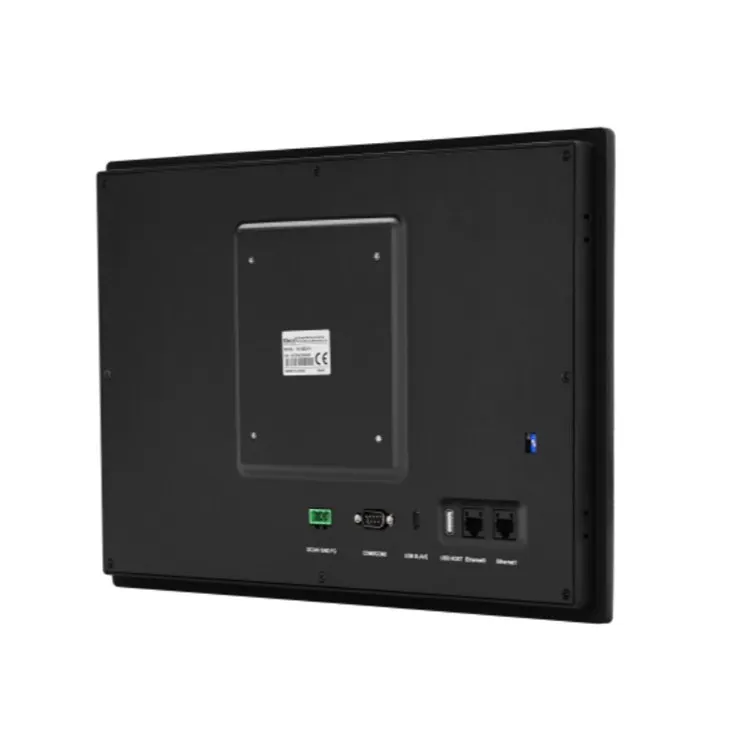
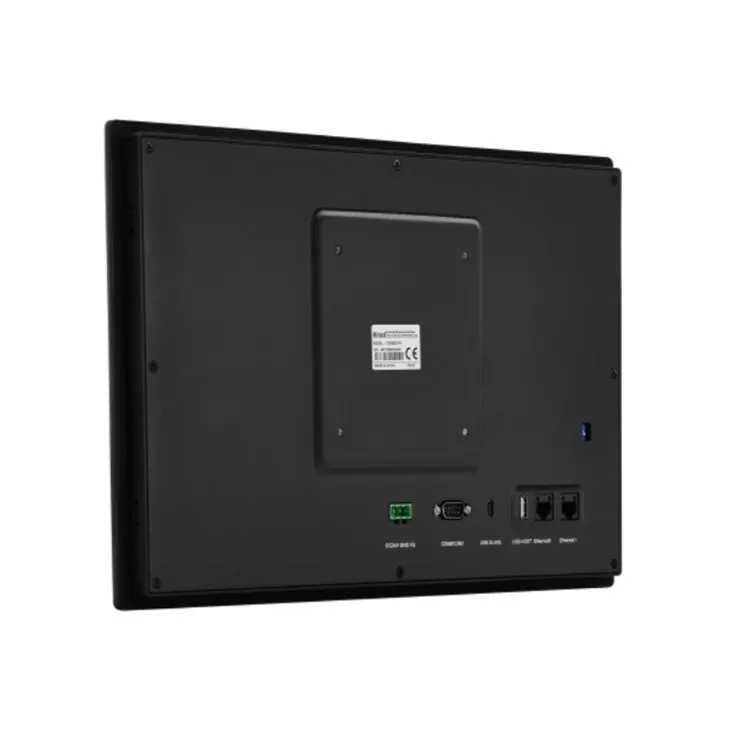
One of the biggest benefits of using an IoT Gateway is its ability to integrate different types of devices and protocols. In today's tech-savvy world, there are countless devices and systems out there, each using its own unique communication protocol. This can make it a real headache to get them all to work together. But with an IoT Gateway, you can say goodbye to those compatibility issues. It supports a wide range of protocols, such as Modbus, MQTT, and HTTP, so you can easily connect devices from different manufacturers and make them play nice.
Another major advantage is data aggregation and pre - processing. IoT devices generate a massive amount of data, and if you try to send all that raw data directly to the cloud or a central server, it can quickly overwhelm your network and storage. An IoT Gateway steps in to solve this problem. It can collect data from multiple devices, analyze it on - the - fly, and send only the relevant information to the next stage. For example, it can filter out noise, calculate averages, or detect anomalies before transmitting the data. This not only reduces network traffic but also saves on storage costs.
Security is also a top concern when it comes to IoT. With so many connected devices, there are more entry points for hackers to exploit. An IoT Gateway acts as a security barrier for your IoT network. It can perform functions like authentication, encryption, and access control. It ensures that only authorized devices can connect to the network and that the data being transmitted is protected from eavesdropping and tampering. This gives you peace of mind knowing that your valuable data and critical systems are safe.
Now, let's talk about scalability. As your business grows, you'll likely want to add more devices to your IoT network. An IoT Gateway makes this process a breeze. It can easily handle the addition of new devices without requiring a complete overhaul of your existing infrastructure. You can simply plug in new sensors or devices, and the gateway will automatically detect and integrate them into the network. This flexibility allows you to expand your IoT capabilities as needed, without incurring huge costs or disruptions.
In addition to these technical benefits, using an IoT Gateway can also lead to significant cost savings. By optimizing data transmission and reducing network congestion, you can lower your bandwidth costs. The pre - processing of data also means you need less storage space, which cuts down on storage expenses. And since the gateway helps prevent security breaches, you avoid the potentially huge costs associated with data loss, downtime, and regulatory fines.
Let's take a look at some real - world applications where IoT Gateways shine. In the solar energy industry, Solar HMI systems are becoming increasingly popular. An IoT Gateway can connect all the solar panels, inverters, and monitoring devices in a solar farm. It can collect data on energy production, panel performance, and environmental conditions. This data can then be used to optimize the operation of the solar farm, predict maintenance needs, and even sell excess energy back to the grid.
In the HVAC (heating, ventilation, and air - conditioning) industry, HVAC HMI systems can benefit greatly from IoT Gateways. The gateway can connect thermostats, sensors, and control units in a building. It can monitor temperature, humidity, and air quality in real - time. Based on this data, it can adjust the HVAC settings automatically to maintain a comfortable environment while minimizing energy consumption. This not only saves money on energy bills but also improves the overall efficiency of the building.
In the industrial sector, IoT Gateways are used to connect manufacturing equipment, robots, and other industrial devices. They enable real - time monitoring of production processes, allowing for better quality control and predictive maintenance. By analyzing data from sensors on the machines, the gateway can detect early signs of wear and tear, and schedule maintenance before a breakdown occurs. This reduces downtime and increases productivity.
So, if you're still on the fence about whether to invest in an IoT Gateway, I hope this blog has convinced you of its many benefits. Whether you're in the solar, HVAC, industrial, or any other industry that relies on IoT, an IoT Gateway can be a game - changer. It offers integration, data management, security, scalability, and cost - savings all in one package.
If you're interested in learning more about how an IoT Gateway can work for your business or you're ready to start the procurement process, I'd love to chat with you. Just reach out, and we can have a detailed discussion about your specific needs and how our IoT Gateway solutions can be customized to fit your requirements.
References
- Industry reports on IoT technology trends
- Whitepapers on IoT Gateway functionality and benefits