
Hey there! As a supplier of Counter Sensors, I often get asked about the difference between mechanical and electronic counter sensors. So, I thought I'd take a few minutes to break it down for you.
Let's start with mechanical counter sensors. These bad boys have been around for ages. They're like the old - school workhorses of the sensor world. A mechanical counter sensor works based on physical contact or mechanical movement. For example, when an object comes into contact with a lever or a wheel on the sensor, it causes a mechanical mechanism inside to click or rotate. Each click or rotation represents a count.
One of the biggest advantages of mechanical counter sensors is their simplicity. They're easy to understand and maintain. You don't need a degree in electrical engineering to figure out how they work. If something goes wrong, chances are you can take it apart, find the problem, and fix it with a few basic tools. They're also pretty rugged. They can withstand harsh environments, like dusty factories or places with a lot of vibrations. Since they don't rely on complex electronics, they're less likely to be affected by electromagnetic interference.
However, mechanical counter sensors do have their limitations. They're not very accurate when it comes to high - speed counting. The mechanical parts can only move so fast, and if you're trying to count a large number of objects in a short period, you might miss some counts. Also, they have a limited lifespan. The constant mechanical movement causes wear and tear on the parts, and eventually, they'll need to be replaced. And let's not forget about the noise. The clicking or rotating of the mechanical parts can be quite loud, which might be a problem in some workplaces.
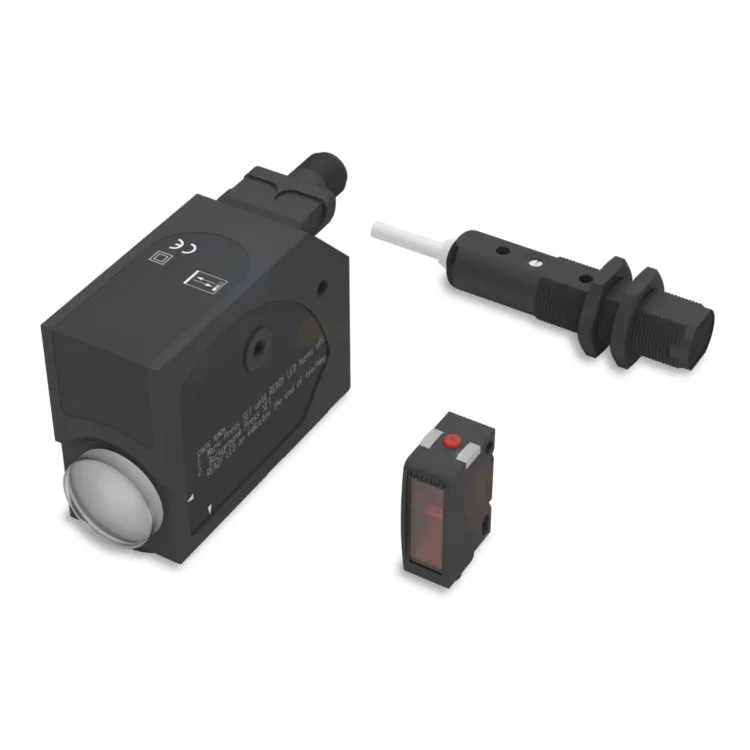
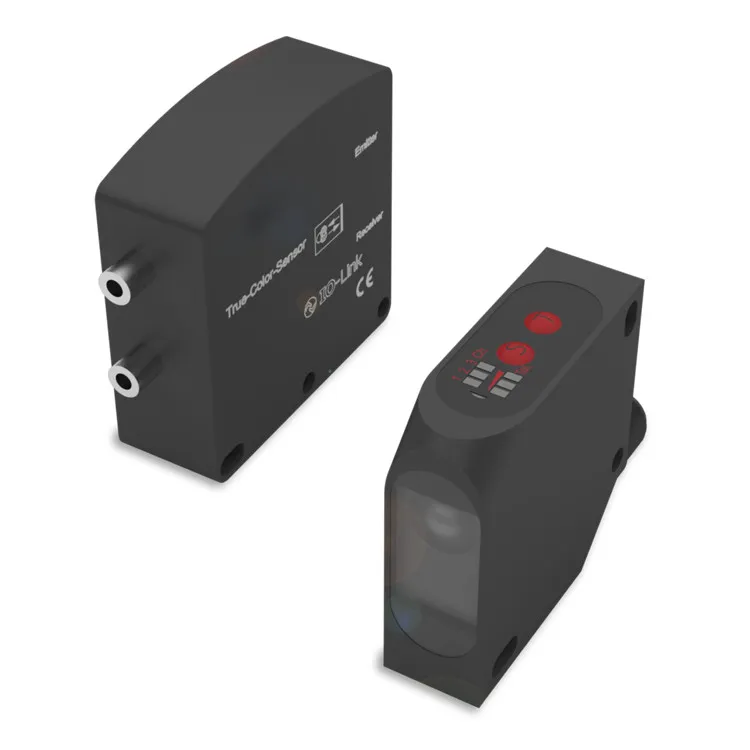
Now, let's talk about electronic counter sensors. These are the modern, high - tech cousins of mechanical counter sensors. Electronic counter sensors use electronic circuits and components to detect and count objects. They can use different technologies like infrared light, lasers, or magnetic fields to sense the presence of an object.
One of the main benefits of electronic counter sensors is their accuracy. They can count at incredibly high speeds, making them perfect for high - volume production lines. They can also be programmed to perform more complex counting tasks, like counting objects based on their size, shape, or color. For instance, if you're working in a food processing plant and you want to count only the red apples, an electronic counter sensor can be configured to do just that.
Electronic counter sensors are also very flexible. You can easily adjust the settings, such as the counting range, sensitivity, and response time, to suit your specific needs. And they're relatively quiet compared to mechanical sensors. Since there are no moving mechanical parts, there's no loud clicking or rotating noise.
But electronic counter sensors aren't without their drawbacks. They're more complex than mechanical sensors, which means they can be more difficult to troubleshoot if something goes wrong. They're also more sensitive to environmental factors. For example, dust, moisture, or extreme temperatures can affect their performance. And they're generally more expensive than mechanical counter sensors, both in terms of the initial purchase price and the cost of maintenance.
So, which one should you choose? Well, it depends on your specific application. If you're working in a low - speed, low - tech environment where simplicity and durability are key, a mechanical counter sensor might be the way to go. But if you need high - speed, accurate counting and the ability to perform complex tasks, an electronic counter sensor is probably your best bet.
As a Counter Sensor supplier, I've seen firsthand the different needs of various industries. Whether you're in manufacturing, logistics, or any other field that requires counting, I can help you find the right sensor for your job. If you're interested in learning more about our Counter Sensor products, we also offer other types of sensors like Colour Sensor and Contrast Sensor that might be useful for your operations.
If you're thinking about making a purchase or just want to have a chat about your requirements, don't hesitate to reach out. I'm here to answer all your questions and help you make an informed decision. Whether you're a small business owner or part of a large corporation, I'm committed to providing you with the best sensor solutions at a reasonable price.
In conclusion, both mechanical and electronic counter sensors have their own unique features and advantages. By understanding the differences between them, you can choose the one that's most suitable for your business. So, take some time to evaluate your needs, and if you need any assistance, just let me know. I'm looking forward to working with you to find the perfect counter sensor for your application.
References
General knowledge about counter sensors from industry experience and common technical literature in the field of sensors.