
Hey there! I'm a supplier of CAN Bus PLCs, and today I want to dig into a topic that's super important in the world of PLC systems: the impact of vibration on CAN Bus.
Let's start with a quick intro. For those who might not know, a Programmable Logic Controller (PLC) is a ruggedized computer used in industrial environments to control different processes. The CAN (Controller Area Network) Bus is a serial communication protocol that allows microcontrollers and devices to communicate with each other within a vehicle or industrial system. It's widely used because it's reliable, fast, and can handle a lot of data.
Now, vibration is a common issue in many industrial settings. Machines are constantly moving, and this movement can cause vibrations. So, what happens when you have vibration in a PLC system that uses CAN Bus?
How Vibration Affects CAN Bus Connections
One of the most immediate impacts of vibration is on the physical connections of the CAN Bus. The connectors that link the different components of the CAN Bus network, like the PLCs, sensors, and actuators, can loosen up due to vibration. When a connector becomes loose, it can lead to intermittent electrical contact. This means that the signals traveling through the CAN Bus might not be transmitted properly.
For example, let's say you have a Compact Mini PLC Compact Mini PLC connected to a CAN Bus network. If the vibration causes the CAN Bus connector on the PLC to loosen, the data being sent from the sensors to the PLC might get lost or corrupted. This can result in incorrect readings and, ultimately, faulty control of the industrial process.
Moreover, over time, repeated vibration can cause physical damage to the connectors. The pins inside the connectors can bend or break, making it impossible for the CAN Bus to function correctly. This kind of damage often requires replacement of the connectors, which can be time - consuming and costly.
Signal Integrity and Vibration
Vibration can also have a significant impact on the signal integrity of the CAN Bus. The CAN Bus uses differential signaling, where the signal is transmitted as the difference between two wires. Vibration can introduce electrical noise into the system. This noise can interfere with the differential signals, making it difficult for the receiving devices to accurately interpret the data.
When the signal integrity is compromised, the CAN Bus might experience a higher number of bit errors. Bit errors occur when the data bits received by a device are different from the bits that were originally sent. These errors can trigger the CAN Bus error handling mechanisms, such as retransmitting the data. If the vibration - induced noise is severe enough, the system might enter a continuous error state, where it spends most of its time retransmitting data instead of actually performing useful tasks.
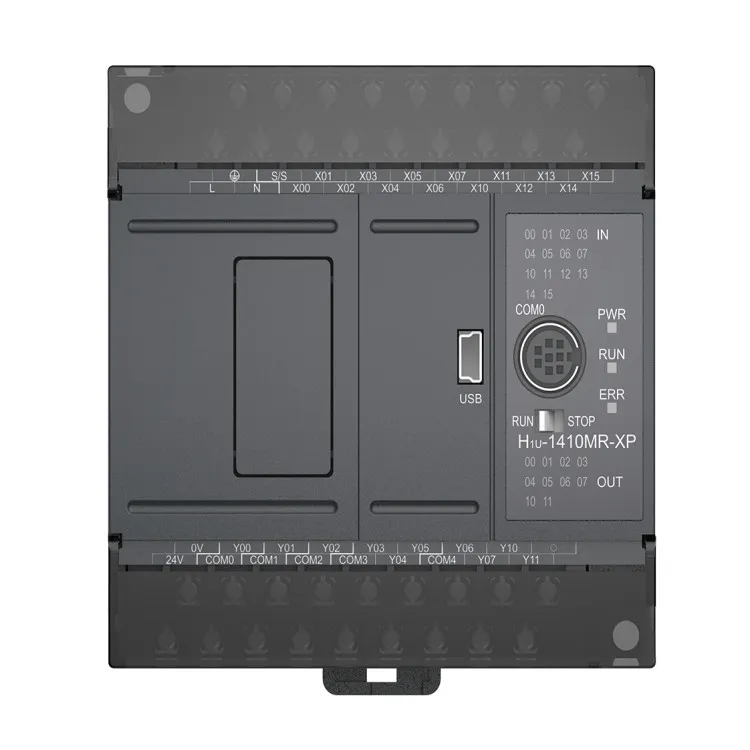
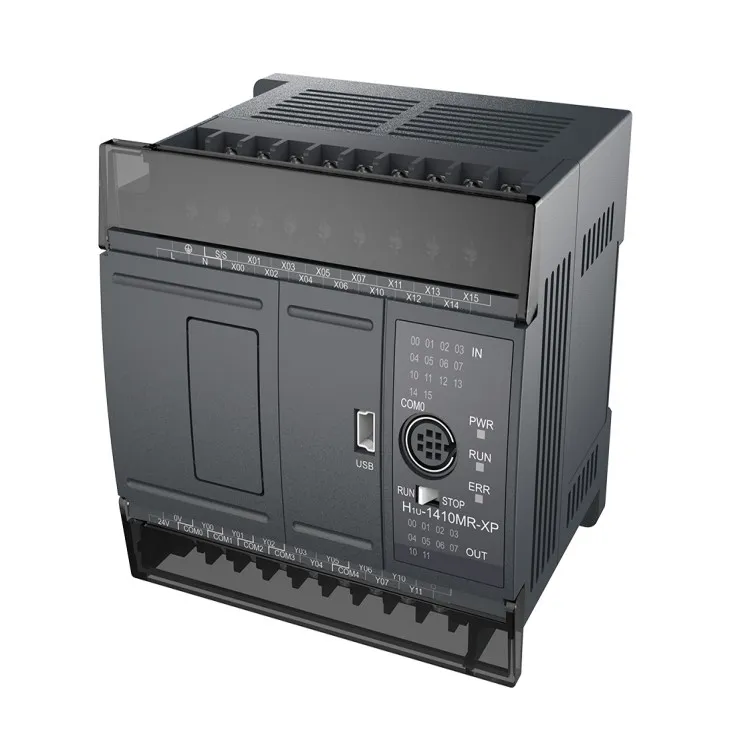
In a CAN Bus PLC CAN Bus PLC system, this can have a major impact on the overall performance. For instance, in a manufacturing process, if the PLC is relying on accurate sensor data from the CAN Bus to control a robotic arm, a high number of bit errors can cause the robotic arm to move incorrectly, leading to product defects or even accidents.
Impact on System Reliability
The overall reliability of a PLC system using CAN Bus is severely affected by vibration. A reliable system is one that can operate continuously without significant downtime. When vibration causes issues with the CAN Bus connections and signal integrity, the system becomes less reliable.
Downtime is a huge problem in industrial settings. Every minute that a production line is stopped can cost a company a significant amount of money. If the vibration - induced problems on the CAN Bus are not addressed promptly, they can lead to frequent system failures and extended downtime.
For example, a 485 Pulse PLC 485 Pulse PLC in a CAN Bus network might be used to control a conveyor belt in a warehouse. If vibration causes the CAN Bus to malfunction, the conveyor belt might stop working, halting the movement of goods and disrupting the entire logistics process.
Mitigating the Impact of Vibration
So, what can be done to reduce the impact of vibration on CAN Bus in a PLC system?
First, proper mechanical mounting is crucial. All the components of the CAN Bus network, including the PLCs, sensors, and connectors, should be securely mounted. Using vibration - isolating mounts can help absorb the vibrations and prevent them from reaching the sensitive electronic components.
Second, choosing high - quality connectors is essential. Connectors with good locking mechanisms are less likely to loosen due to vibration. Some connectors are designed specifically to withstand harsh industrial environments, including high levels of vibration.
Third, signal conditioning can be used to improve the signal integrity. Filters can be added to the CAN Bus lines to reduce the electrical noise caused by vibration. These filters can help in removing the unwanted frequencies and ensuring that the differential signals are transmitted accurately.
Conclusion
In conclusion, vibration can have a profound impact on the CAN Bus in a PLC system. It can affect the physical connections, signal integrity, and overall reliability of the system. As a CAN Bus PLC supplier, I understand the importance of addressing these issues to ensure that our customers' industrial processes run smoothly.
If you're facing problems with vibration in your PLC system or are looking for high - quality CAN Bus PLCs, don't hesitate to reach out for a procurement discussion. We're here to help you find the best solutions for your specific needs.
References
- "Industrial Automation Handbook"
- "CAN Bus Technology: Principles and Applications"