

In the era of the Internet of Things (IoT), the role of an IoT gateway is pivotal. As an IoT gateway supplier, I've witnessed firsthand the transformative power that these devices bring to various industries. The processing power of an IoT gateway is a critical factor that determines its efficiency and effectiveness in managing the vast amount of data flowing through IoT ecosystems.
Understanding the Basics of an IoT Gateway
Before delving into the processing power, it's essential to understand what an IoT gateway is. An IoT gateway acts as a bridge between IoT devices and the cloud or other backend systems. It aggregates data from multiple IoT devices, performs initial data processing, and then sends the relevant information to the appropriate destination. This function is crucial because IoT devices often generate a massive amount of data, and not all of it needs to be sent to the cloud for further analysis.
The Significance of Processing Power
The processing power of an IoT gateway can be compared to the brain of a human body. It dictates how quickly and efficiently the gateway can handle incoming data, make decisions, and communicate with other components in the IoT network. A gateway with high processing power can perform complex tasks such as data filtering, encryption, and protocol conversion in real - time.
One of the primary advantages of having a gateway with substantial processing power is the ability to reduce latency. In applications where real - time data is critical, such as industrial automation or healthcare monitoring, even a slight delay can have serious consequences. A powerful gateway can process data on the edge, near the source of generation, and send only the most relevant information to the cloud. This not only reduces the time it takes for data to reach the end - user but also minimizes the bandwidth requirements.
Another important aspect is data security. With the increasing number of cyber threats in the IoT space, ensuring the security of data is of utmost importance. A gateway with high processing power can implement advanced encryption algorithms to protect data both at rest and in transit. It can also perform intrusion detection and prevention, blocking unauthorized access attempts before they reach the IoT devices or the cloud.
Components Affecting Processing Power
The processing power of an IoT gateway is determined by several components. The central processing unit (CPU) is the heart of the gateway. Modern CPUs come in various architectures and clock speeds. Multi - core CPUs are becoming increasingly popular in IoT gateways as they can handle multiple tasks simultaneously. For example, a quad - core CPU can process four different threads at the same time, significantly improving the overall performance.
In addition to the CPU, the amount of random - access memory (RAM) also plays a crucial role. RAM is used to store data that the CPU is currently processing. A gateway with more RAM can handle larger data sets and run more complex applications without experiencing slowdowns.
The storage capacity of the gateway is another factor. Solid - state drives (SSDs) are commonly used in IoT gateways due to their fast read and write speeds. Adequate storage allows the gateway to store historical data, which can be useful for analytics and troubleshooting.
Real - World Applications and Processing Power Requirements
Different industries have different processing power requirements for IoT gateways. In the industrial sector, for instance, IoT gateways are used to monitor and control manufacturing processes. These gateways need to process large amounts of sensor data in real - time, detect anomalies, and trigger appropriate actions. High - end industrial IoT gateways often require powerful CPUs, large amounts of RAM, and fast storage to handle the complexity of the tasks.
In the smart city context, IoT gateways are used to manage a wide range of devices, from traffic sensors to environmental monitors. The processing power of these gateways needs to be sufficient to handle the diverse data sources and perform analytics to optimize city operations. For example, a gateway managing traffic sensors may need to analyze real - time traffic flow data and adjust traffic signals accordingly.
In the healthcare industry, IoT gateways are used to collect and transmit patient data from wearable devices and medical sensors. The processing power of these gateways is crucial for ensuring the privacy and security of patient information. They need to encrypt data on the fly and transmit it securely to the healthcare providers.
Our IoT Gateway Offerings
As an IoT gateway supplier, we offer a range of products with different processing power capabilities to meet the diverse needs of our customers. Our gateways are designed with the latest technologies to ensure high performance, reliability, and security.
For customers in industries where real - time data processing is critical, we offer gateways with powerful multi - core CPUs and large amounts of RAM. These gateways can handle complex data processing tasks such as machine learning algorithms for predictive maintenance in industrial settings.
For customers on a budget or those with less demanding applications, we have more cost - effective options that still provide sufficient processing power for basic data aggregation and transmission.
Related Products and Their Role
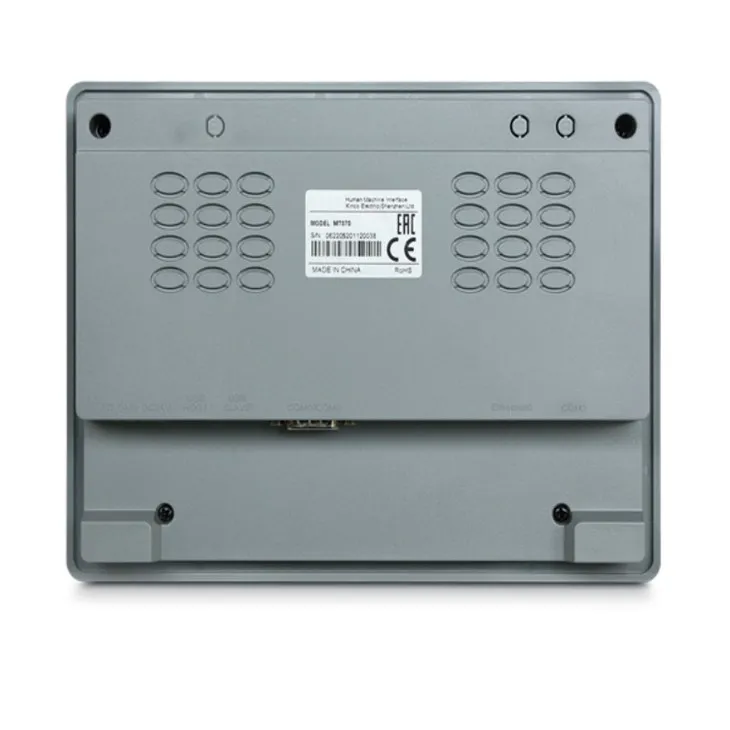
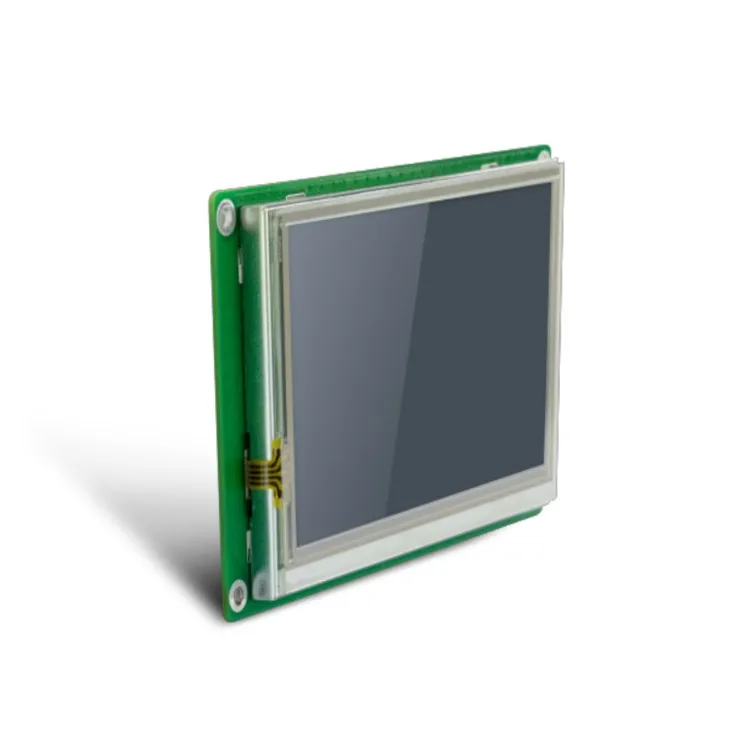
In addition to our IoT gateways, we also offer related products such as Embedded HMI, Internet Of Things Touch Screen, and Outdoor Touch Screen. These products can be integrated with our IoT gateways to enhance the overall user experience and functionality.
Embedded HMIs provide a user - friendly interface for monitoring and controlling IoT devices. They can display real - time data, receive user inputs, and communicate with the gateway. Internet of Things touch screens are designed to interact with IoT devices directly, allowing users to access and manage data in a more intuitive way. Outdoor touch screens are ruggedized for use in harsh environments and can be used in applications such as smart city infrastructure or industrial outdoor installations.
Conclusion and Call to Action
The processing power of an IoT gateway is a key factor in the success of any IoT deployment. It determines the gateway's ability to handle data efficiently, reduce latency, and ensure data security. As an IoT gateway supplier, we are committed to providing high - quality products that meet the diverse needs of our customers.
If you're looking for an IoT gateway solution for your business, we invite you to contact us for a detailed consultation. Our team of experts can help you select the right gateway with the appropriate processing power for your specific application. We can also provide support in integrating our products with your existing IoT infrastructure.
References
- Atzori, L., Iera, A., & Morabito, G. (2010). The Internet of Things: A survey. Computer Networks, 54(15), 2787 - 2805.
- Lee, I., & Lee, K. (2015). The Internet of Things (IoT): Applications, investments, and challenges for enterprises. Business Horizons, 58(4), 431 - 440.
- Gubbi, J., Buyya, R., Marusic, S., & Palaniswami, M. (2013). Internet of Things (IoT): A vision, architectural elements, and future directions. Future Generation Computer Systems, 29(7), 1645 - 1660.