

Hey there! As a supplier of DC servo motors, I've seen my fair share of motor issues over the years. One question that often pops up is, "What parts of a DC servo motor are easy to damage?" Well, let's dive right in and take a look at some of the vulnerable components.
1. Brushes and Commutator
The brushes and commutator are like the heart and soul of a DC servo motor. They play a crucial role in transferring electrical current to the armature, which in turn creates the magnetic field that makes the motor spin. However, these parts are also prone to wear and tear.
The brushes are made of carbon or graphite, and they rub against the commutator to make electrical contact. Over time, this friction can cause the brushes to wear down. When the brushes get too short, they may not make proper contact with the commutator, leading to poor electrical conductivity. This can result in reduced motor performance, such as slower speeds or decreased torque.
The commutator, on the other hand, is a segmented metal cylinder. As the brushes slide over the segments, they can cause pitting and scoring on the surface. This can disrupt the flow of current and lead to arcing, which is not only bad for the motor but can also be a fire hazard. If the arcing is severe, it can even damage the insulation on the armature windings.
To prevent brush and commutator problems, regular maintenance is key. You can check the brush length periodically and replace them when they get too short. Cleaning the commutator with a fine abrasive paper can also help remove any dirt or debris that may be causing issues.
2. Armature Windings
The armature windings are another critical part of the DC servo motor. These are the coils of wire that are wound around the armature core. When an electrical current passes through the windings, it creates a magnetic field that interacts with the stator's magnetic field, causing the motor to rotate.
One of the main causes of armature winding damage is overheating. If the motor is overloaded or operates in a high - temperature environment for an extended period, the insulation on the windings can break down. Once the insulation is compromised, the windings can short - circuit, which can lead to a complete motor failure.
Another issue that can affect the armature windings is mechanical stress. Vibration, shock, or improper handling during installation or operation can cause the windings to loosen or break. This can also result in short - circuits or open - circuits, which will prevent the motor from working properly.
To protect the armature windings, it's important to operate the motor within its rated specifications. Using a DC Servo Driver can help regulate the current and prevent overheating. Additionally, proper mounting and vibration isolation can reduce the risk of mechanical stress on the windings.
3. Bearings
Bearings are used to support the rotating shaft of the DC servo motor. They allow the shaft to spin smoothly with minimal friction. However, bearings are subject to wear and tear, especially in high - speed or high - load applications.
Over time, the rolling elements (balls or rollers) inside the bearings can become pitted or worn. This can cause increased friction, which leads to higher operating temperatures and reduced efficiency. In severe cases, the bearings can seize up, which can cause the motor to stop working and may even damage other components of the motor.
Contamination is another common problem with bearings. Dust, dirt, and moisture can enter the bearing housing and cause corrosion or abrasion. This can accelerate the wear process and reduce the bearing's lifespan.
To ensure the longevity of the bearings, regular lubrication is essential. Using the right type of lubricant and following the manufacturer's recommendations for lubrication intervals can help keep the bearings in good condition. Additionally, keeping the motor environment clean and using proper seals can prevent contamination.
4. Encoder
Many DC servo motors are equipped with an encoder, which is used to provide feedback on the motor's position, speed, and direction. The encoder is a sensitive electronic component that can be easily damaged.
One of the main causes of encoder damage is electrical interference. Electrical noise from nearby equipment, such as power supplies or other motors, can disrupt the encoder's signal. This can lead to inaccurate feedback, which can cause the motor to operate erratically.
Mechanical damage is also a concern for encoders. Vibration, shock, or improper mounting can cause the encoder's internal components to become misaligned or damaged. This can result in a loss of signal or incorrect readings.
To protect the encoder, it's important to use proper shielding and grounding to reduce electrical interference. Additionally, ensuring that the encoder is properly mounted and protected from mechanical shock can help prevent damage.
5. Stator
The stator is the stationary part of the DC servo motor that contains the permanent magnets or field windings. While the stator is generally more robust than some of the other components, it can still be damaged.
One of the main issues with the stator is demagnetization. If the motor is exposed to high temperatures or strong external magnetic fields, the permanent magnets in the stator can lose their magnetism. This can result in a decrease in motor performance, such as reduced torque and efficiency.
The field windings in the stator can also be damaged by overheating or short - circuits. Similar to the armature windings, the insulation on the field windings can break down if the motor is overloaded or operates in a high - temperature environment.
To prevent stator damage, it's important to operate the motor within its temperature limits. Using a Low - voltage Servo Motor can help reduce the risk of overheating, especially in applications where power consumption needs to be minimized.
In conclusion, understanding which parts of a DC servo motor are easy to damage is crucial for proper maintenance and long - term performance. By being aware of these vulnerable components and taking the necessary precautions, you can extend the lifespan of your DC servo motors and avoid costly repairs or replacements.
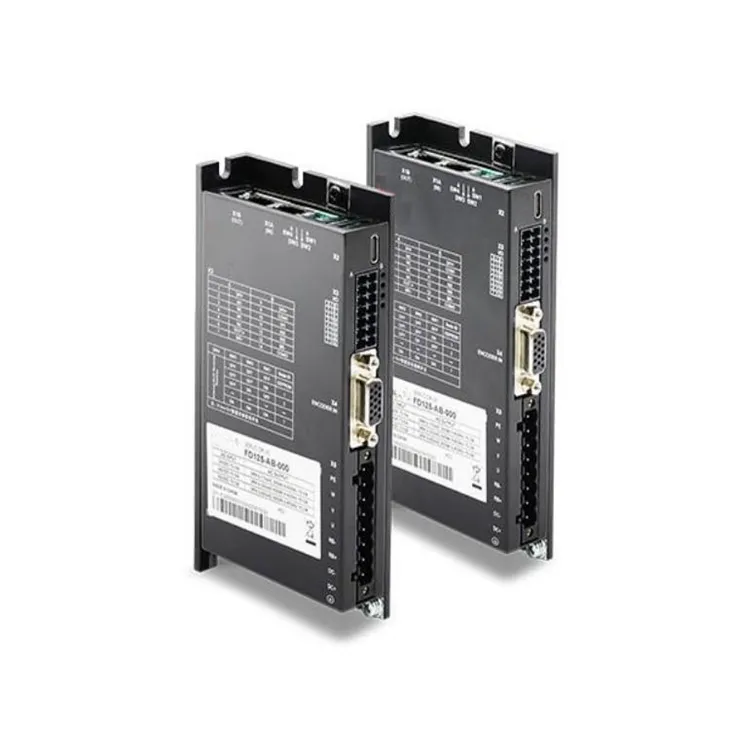
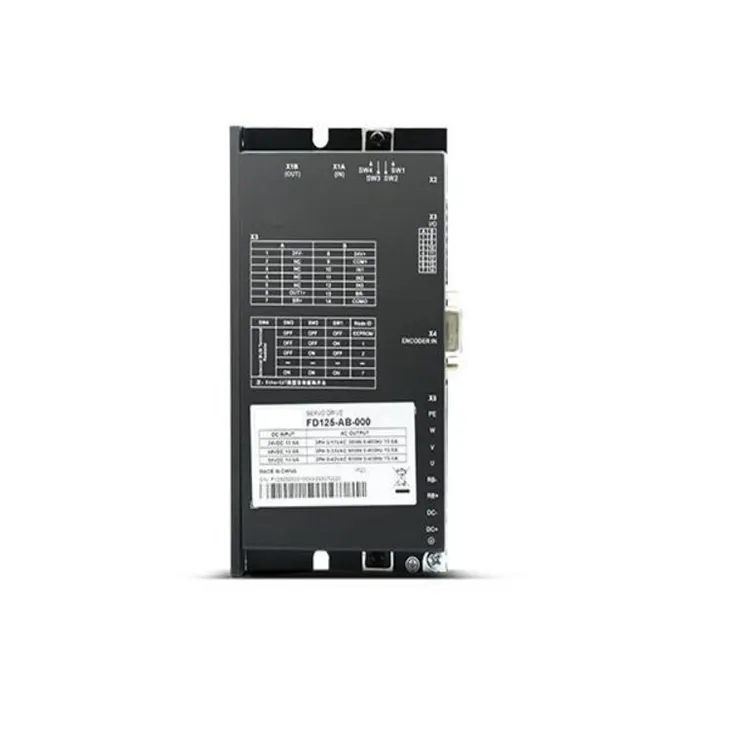
If you're in the market for DC servo motors or related products like Mini DC Servo Driver, don't hesitate to reach out. We're here to help you find the right solutions for your specific needs. Whether you're a small - scale hobbyist or a large - scale industrial user, we've got the expertise and products to keep your projects running smoothly. Let's start a conversation and see how we can work together!
References
- "DC Servo Motor Handbook" - A comprehensive guide on the operation and maintenance of DC servo motors.
- Industry whitepapers on motor reliability and component failure analysis.