
Hey there! As a supplier of DC servo motors, I often get asked about the position control accuracy of these motors. It's a crucial aspect, especially for applications where precision is key. So, let's dive right in and explore what position control accuracy means for a DC servo motor.
First off, what exactly is position control accuracy? In simple terms, it's how closely a DC servo motor can reach and maintain a specific position as commanded. You see, in many industrial and automation applications, you need the motor to move to a particular spot and stay there with minimal error. This is where position control accuracy comes into play.
There are a few factors that can affect the position control accuracy of a DC servo motor. One of the main ones is the encoder. The encoder is like the motor's "eyes." It provides feedback to the control system about the motor's position. A high - resolution encoder can measure the motor's position more precisely, which in turn improves the overall position control accuracy. For example, an encoder with a higher number of pulses per revolution can detect smaller changes in the motor's position, allowing for more accurate control.
Another factor is the control algorithm. The control algorithm is the brain behind the motor's operation. It takes the input from the encoder and uses it to adjust the motor's speed and torque to reach the desired position. A well - designed control algorithm can compensate for various disturbances, such as load variations and friction, to maintain high position control accuracy. Some advanced control algorithms can even predict and correct for potential errors before they occur, which is really cool.
The quality of the motor itself also matters. A high - quality DC servo motor with low cogging torque and smooth operation will generally have better position control accuracy. Cogging torque is the non - uniform torque that can cause the motor to "jerk" as it rotates. If the cogging torque is too high, it can make it difficult for the motor to reach and maintain a precise position.
Now, let's talk about some real - world applications where position control accuracy is super important. In the robotics industry, robots need to be able to move their joints to specific positions with high precision. For example, a robotic arm in a manufacturing plant might need to pick up a small part and place it in a very specific location. If the position control accuracy of the DC servo motors in the robotic arm is not good enough, the part might not be placed correctly, which could lead to production errors.
In the semiconductor industry, wafer handling equipment uses DC servo motors to move wafers around the production line. These wafers are extremely delicate and need to be positioned with nanometer - level accuracy. A small error in position control could result in a defective semiconductor chip, which is very costly.
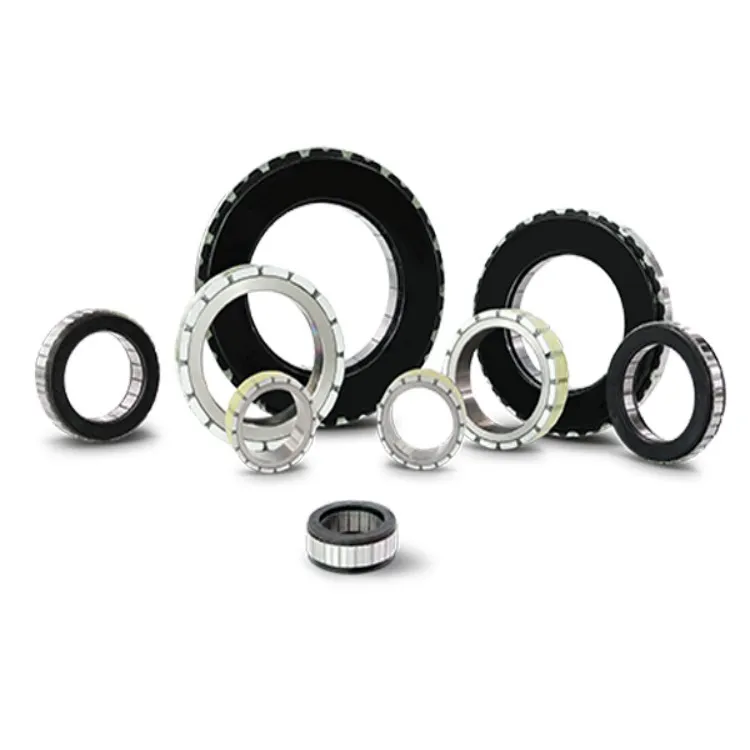
As a DC servo motor supplier, we offer a range of products to meet different position control accuracy requirements. For example, our Frameless Torque Motor is designed for applications where high torque and high position control accuracy are needed. It has a compact design and can be integrated directly into the system, reducing the overall size and complexity.
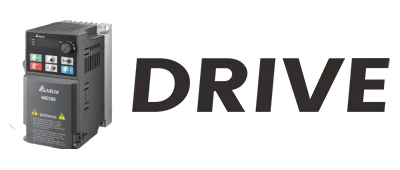
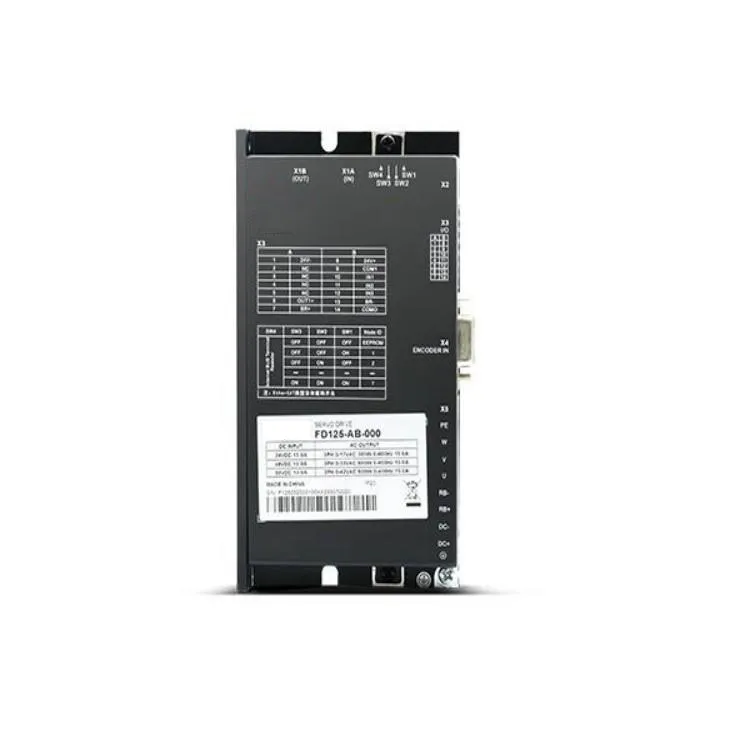
Our DC Servo Driver is another important component. It works in conjunction with the DC servo motor to provide precise control. The driver can adjust the motor's current and voltage based on the feedback from the encoder, ensuring that the motor reaches and maintains the desired position accurately.
For applications where low voltage is required, we have the Low - voltage Servo Motor. This motor is not only energy - efficient but also offers good position control accuracy, making it suitable for battery - powered devices and other low - voltage applications.
When it comes to measuring the position control accuracy of a DC servo motor, there are a few methods. One common method is to use a laser interferometer. A laser interferometer can measure the actual position of the motor with very high accuracy. By comparing the actual position with the desired position, we can calculate the position error. Another method is to use a high - precision encoder and a data acquisition system. The encoder provides the position data, and the data acquisition system analyzes it to determine the position control accuracy.
It's also important to note that position control accuracy can be affected by environmental factors. Temperature, humidity, and vibration can all have an impact on the motor's performance. For example, high temperatures can cause the motor's components to expand, which can affect the encoder's accuracy and the motor's overall operation. To counter these effects, we often recommend using motors with appropriate environmental protection features, such as sealed enclosures and temperature - compensated encoders.
In conclusion, position control accuracy is a critical aspect of DC servo motor performance. It depends on factors like the encoder, control algorithm, and the quality of the motor itself. In various industries, high position control accuracy is essential for efficient and reliable operation. At our company, we offer a wide range of DC servo motors and related products, such as the Frameless Torque Motor, DC Servo Driver, and Low - voltage Servo Motor, to meet different position control accuracy requirements.
If you're in the market for DC servo motors and want to learn more about how our products can meet your position control accuracy needs, feel free to reach out to us. We're here to help you find the best solution for your application.
References
- "Servo Motors and Industrial Control Theory" by Peter C. Sen
- "Motion Control Handbook" by Dan Kara