
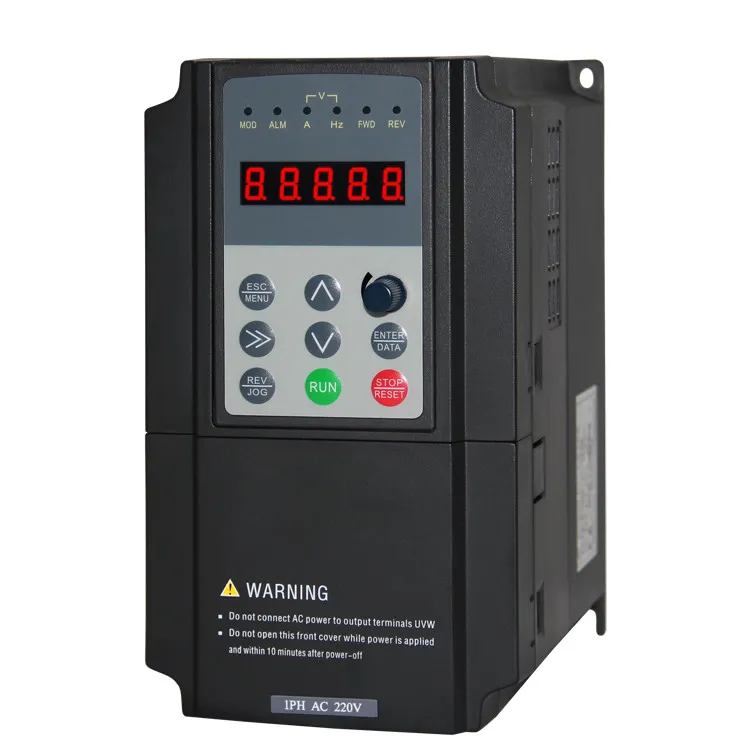
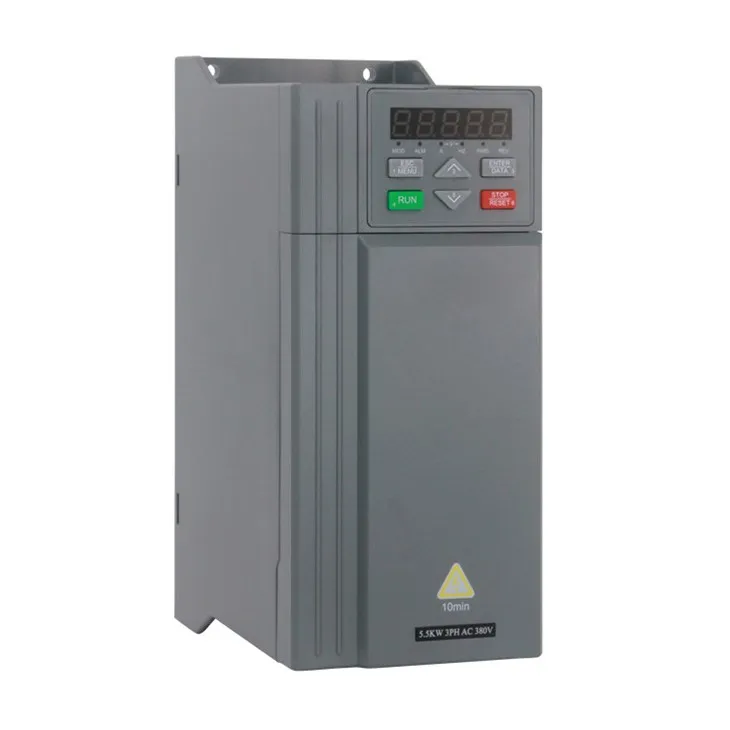
As a supplier of Textile VFDs, I've had numerous inquiries regarding the power consumption of these devices. Understanding the power consumption of Textile VFDs is crucial for textile manufacturers aiming to optimize their operations, reduce costs, and enhance overall efficiency. In this blog, I'll delve into the factors influencing the power consumption of Textile VFDs, how it compares to other types of VFDs, and strategies to manage it effectively.
Factors Affecting the Power Consumption of Textile VFDs
Load Requirements
The power consumption of a Textile VFD is primarily determined by the load it needs to drive. In textile manufacturing, different processes have varying load requirements. For example, spinning machines may require a relatively constant power output, while weaving machines might have more fluctuating loads depending on the fabric pattern being produced. A higher load demand means the VFD has to supply more power, resulting in increased power consumption.
Operating Frequency
The operating frequency of the VFD also plays a significant role. Textile VFDs can adjust the frequency of the electrical supply to the motor, which in turn controls the motor's speed. Running the VFD at a higher frequency generally means the motor operates at a higher speed, consuming more power. Conversely, reducing the frequency to slow down the motor can lead to lower power consumption. However, it's important to note that the relationship between frequency and power consumption is not always linear, as other factors such as motor efficiency also come into play.
VFD Efficiency
The efficiency of the Textile VFD itself is a critical factor. Modern VFDs are designed to be highly efficient, but there are still losses associated with the conversion of electrical energy from one form to another. These losses can occur in the form of heat dissipation and electrical losses in the VFD's components. A more efficient VFD will convert a higher percentage of the input power into useful output power, resulting in lower overall power consumption.
Comparison with Other Types of VFDs
CNC VFD
CNC VFD are commonly used in computer numerical control machines, which are known for their precision and high-speed operation. While both Textile VFDs and CNC VFDs are designed to control the speed of motors, their power consumption characteristics can differ. CNC VFDs often need to provide rapid and precise changes in motor speed to meet the requirements of machining operations. This can result in higher peak power consumption compared to Textile VFDs, which typically operate at more stable speeds for textile manufacturing processes.
High Performance Vector VFD
High Performance Vector VFD are designed to provide precise control of motor torque and speed, making them suitable for applications that require high dynamic performance. These VFDs often have advanced control algorithms and features that allow for more accurate motor control. In comparison, Textile VFDs may not require the same level of high - performance control, and as a result, their power consumption may be lower under normal operating conditions. However, in some cases where a textile process requires precise speed and torque control, a High Performance Vector VFD might be used, which could increase the power consumption.
Measuring and Monitoring Power Consumption
To effectively manage the power consumption of Textile VFDs, it's essential to measure and monitor it regularly. Most modern VFDs are equipped with built - in meters that can display real - time power consumption data. This data can be used to analyze the power usage patterns of the VFD and the connected motor. Additionally, external power meters can be installed in the electrical circuit to provide more accurate and detailed power consumption measurements.
By monitoring the power consumption over time, textile manufacturers can identify trends and anomalies. For example, a sudden increase in power consumption could indicate a problem with the VFD, the motor, or the connected equipment. This early detection allows for timely maintenance and troubleshooting, preventing potential breakdowns and reducing energy waste.
Strategies to Reduce Power Consumption
Optimize Motor Sizing
One of the most effective ways to reduce power consumption is to ensure that the motor is properly sized for the application. An oversized motor will consume more power than necessary, even when operating at partial load. By selecting a motor with the appropriate power rating for the textile process, the VFD can operate more efficiently, resulting in lower power consumption.
Implement Energy - Saving Modes
Many Textile VFDs come with built - in energy - saving modes. These modes adjust the VFD's operation based on the load requirements to minimize power consumption. For example, some energy - saving modes can reduce the voltage supplied to the motor when the load is low, without sacrificing the motor's performance. By enabling these modes, textile manufacturers can achieve significant energy savings.
Regular Maintenance
Regular maintenance of the Textile VFD and the connected motor is crucial for optimal performance and power efficiency. This includes cleaning the VFD's components, checking for loose connections, and replacing worn - out parts. A well - maintained VFD and motor will operate more efficiently, reducing power consumption and extending the lifespan of the equipment.
Conclusion
The power consumption of Textile VFDs is influenced by a variety of factors, including load requirements, operating frequency, and VFD efficiency. By understanding these factors and implementing strategies to manage power consumption, textile manufacturers can reduce energy costs, improve operational efficiency, and contribute to a more sustainable manufacturing process.
If you're in the textile industry and looking for high - quality Textile VFDs with optimized power consumption, I encourage you to explore our Textile VFD offerings. We're committed to providing reliable and energy - efficient solutions to meet your specific needs. Contact us today to start a discussion about your requirements and how we can help you achieve your manufacturing goals.
References
- “Variable Frequency Drives: Principles and Applications” by Ben Jordan
- Industry reports on textile manufacturing energy consumption