
Yo, what's up! I'm an IoT Gateway supplier, and today I wanna talk about something super important in the IoT world: the response time of an IoT Gateway.
So, first off, what exactly is an IoT Gateway? Well, think of it as the traffic cop of the Internet of Things. It sits between your IoT devices and the cloud or other backend systems. It's responsible for collecting data from all those smart devices, processing it a bit, and then sending it on its way. And just like a traffic cop needs to make quick decisions to keep the traffic flowing smoothly, an IoT Gateway needs to have a fast response time.
Let's break down what response time really means in the context of an IoT Gateway. The response time is basically the time it takes for the gateway to receive data from an IoT device, do whatever processing it needs to do, and then send that data onwards. There are a few different factors that can affect this response time.
One of the biggies is the processing power of the gateway. If you've got a gateway with a weak processor, it's gonna take longer to crunch all that data. It's like trying to run a super - high - end game on an old computer. The system just can't keep up. On the other hand, a gateway with a powerful processor can handle data much more quickly. For example, if you're dealing with a bunch of sensors in a factory that are constantly sending data about temperature, pressure, and other parameters, a high - powered gateway can analyze and forward that data in a jiffy.
Another factor is the communication protocols being used. Different IoT devices use different protocols to send data. Some protocols are faster than others. For instance, protocols like MQTT are known for their low latency and high efficiency. They're designed to send small amounts of data quickly, which is great for IoT applications. But if you're using a slower protocol, like some of the older, legacy ones, it's gonna slow down the whole process.
The amount of data being sent also plays a huge role. If you've got a device that's sending a massive amount of data all at once, the gateway is gonna need more time to process it. It's like trying to drink a whole gallon of water in one go. You're gonna need some time to swallow it all. So, if you're dealing with high - resolution video feeds from security cameras or large - scale sensor data, the response time might be longer compared to when you're just getting simple on/off status updates from a smart switch.
Now, why does the response time matter so much? Well, in a lot of IoT applications, time is of the essence. Take a smart home system, for example. If you use your smartphone to turn on the lights in your living room, you expect them to turn on right away. If there's a long delay, it's just annoying. In a more critical application, like a medical IoT system where sensors are monitoring a patient's vital signs, a long response time could be life - threatening. If the data about a patient's heart rate or blood pressure takes too long to reach the doctor's console, it could mean that a potentially dangerous situation isn't detected in time.
In industrial settings, a slow response time can lead to inefficiencies and even safety hazards. For example, in a manufacturing plant, if the IoT gateway takes too long to respond to data from a machine about a potential malfunction, it could lead to a breakdown of the machine, which in turn could halt production and cost the company a ton of money.
As an IoT Gateway supplier, I know how important it is to offer gateways with fast response times. That's why we've put a lot of effort into optimizing our products. We use high - performance processors and support the latest, fastest communication protocols. We also make sure that our gateways can handle large amounts of data without getting bogged down.
When you're choosing an IoT Gateway, you should definitely pay attention to the response time. But don't just take the manufacturer's word for it. Look for real - world tests and reviews. You can also ask for a trial period to see how the gateway performs in your specific application.
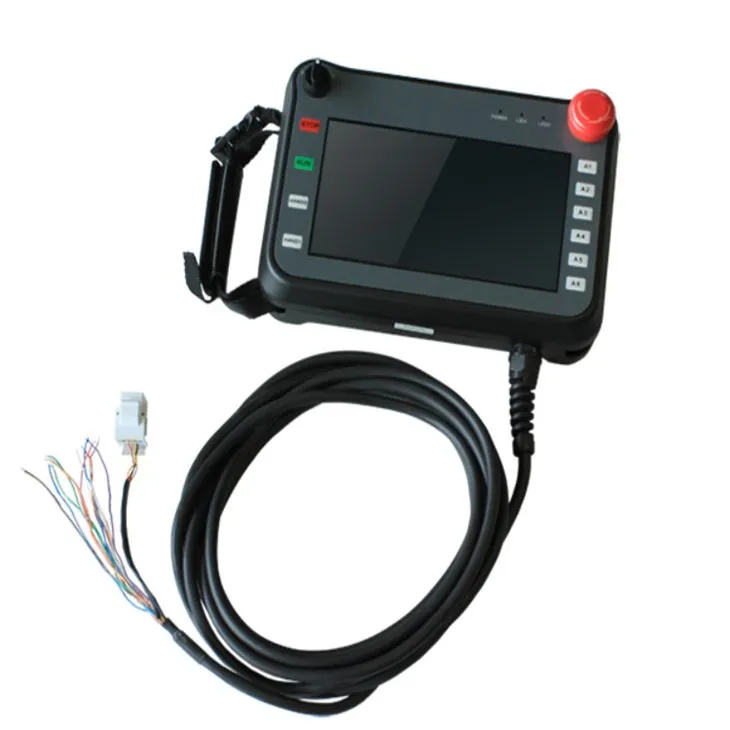
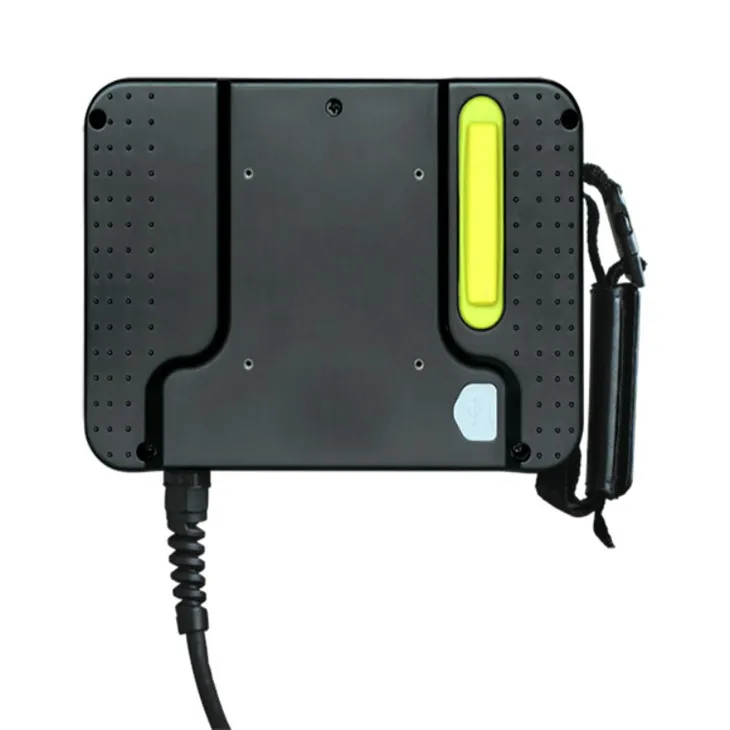
If you're in the market for an IoT Gateway and you want to check out some related products, you might be interested in these links. You can check out the Internet Of Things Touch Screen, which is a great addition to many IoT setups. Also, the Lithium Battery Touch Screen is a handy option if you need a portable and long - lasting touch - screen device. And if you're looking for something more mobile, the Handheld HMI could be just what you need.
In conclusion, the response time of an IoT Gateway is a crucial factor that can make or break your IoT project. Whether it's a smart home, a factory, or a healthcare system, a fast - responding gateway can improve efficiency, reliability, and safety. If you're thinking about upgrading or starting a new IoT project, I'd love to talk to you about our range of IoT Gateways. We've got the experience and the products to help you build a top - notch IoT system. Don't hesitate to reach out if you have any questions or want to discuss your specific requirements. Let's work together to make your IoT vision a reality!
References
- Some general knowledge about IoT technologies from industry blogs and research papers.
- Experience and internal testing results from our company's R & D department.