
Scalability is a crucial factor in the realm of industrial Human - Machine Interfaces (HMIs). As an industrial HMI supplier, I've witnessed firsthand how the scalability of these systems can significantly impact a company's operations, efficiency, and long - term success. In this blog, we'll delve into what scalability means for industrial HMIs, its importance, and how it can be achieved.
Understanding Scalability in Industrial HMIs
Scalability in the context of industrial HMIs refers to the ability of an HMI system to grow, adapt, and change in response to the evolving needs of an industrial operation. This can involve expanding the number of connected devices, adding new functionality, or integrating with other systems as the business expands or technology advances.
Horizontal Scalability
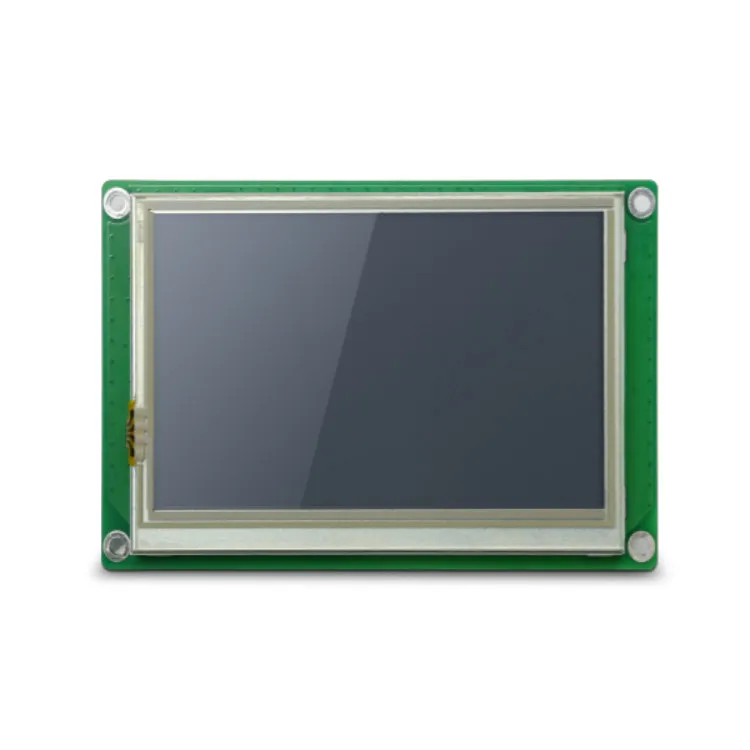
Horizontal scalability pertains to the ability to add more similar components to the existing HMI system. For example, if a manufacturing plant initially has an HMI controlling a single production line, horizontal scalability allows the addition of HMIs to control multiple production lines without significant re - engineering. This can be achieved by using modular HMI designs. Our Lithium Battery Touch Screen is a prime example of a modular component that can be easily added to an existing system. These touch screens can be installed on different machines or stations, providing a consistent user interface across the plant.
Vertical Scalability
Vertical scalability, on the other hand, is about increasing the performance or capabilities of the existing HMI system. This could mean upgrading the processing power, memory, or software features of the HMI. For instance, as a plant starts to collect more data from its sensors and machines, a vertically scalable HMI can handle the increased data load. Our Embedded HMI solutions are designed with vertical scalability in mind. They can be easily upgraded with new software versions that offer advanced analytics, better visualization, and enhanced security features.
Importance of Scalability in Industrial HMIs
Cost - Efficiency
Scalability helps in cost - efficiency over the long term. Instead of having to replace the entire HMI system every time there is a change in the production process or an expansion of the plant, a scalable HMI allows for incremental upgrades. This reduces the capital expenditure associated with system replacements and also minimizes the downtime during the upgrade process. For example, if a company decides to add a new product line to its existing manufacturing facility, a scalable HMI can be adjusted to accommodate the new processes without a complete overhaul.
Future - Proofing
In the fast - paced world of industrial technology, new standards and requirements are constantly emerging. A scalable HMI future - proofs a company's investment. It ensures that the HMI system can adapt to new communication protocols, industry 4.0 initiatives, and other technological advancements. For instance, as the trend towards the Internet of Things (IoT) continues to grow, a scalable HMI can integrate with IoT devices, enabling real - time data collection and remote monitoring.
Flexibility in Operations
Scalability provides flexibility in industrial operations. Different departments within a company may have different requirements for their HMIs. A scalable system can be customized to meet these diverse needs. For example, the quality control department may need an HMI with advanced data analysis capabilities, while the production floor may require a simple, easy - to - use interface. A scalable HMI can be configured to serve both functions effectively.
Achieving Scalability in Industrial HMIs
Modular Design
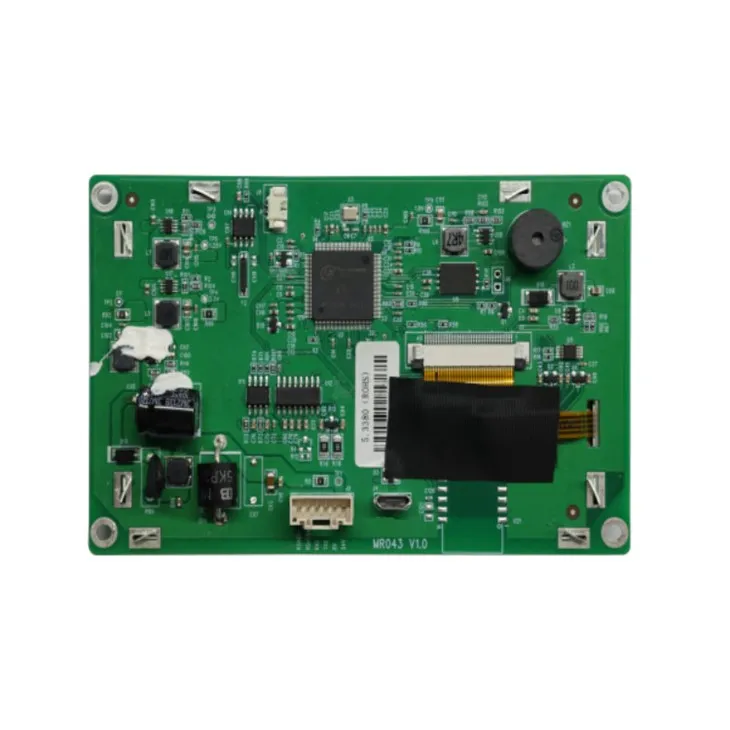
As mentioned earlier, modular design is a key factor in achieving scalability. HMIs with modular components can be easily expanded or reconfigured. For example, a modular HMI may consist of a base unit, display module, input/output modules, and communication modules. Each module can be replaced or added independently, allowing for easy customization and expansion. Our Handheld HMI is designed with a modular approach, making it easy to add or remove features such as additional sensors or communication interfaces.
Open Architecture
An open architecture HMI allows for easy integration with other systems and devices. It uses standard communication protocols, such as Ethernet/IP, Modbus, and OPC UA, which are widely supported in the industrial environment. This enables the HMI to communicate with different types of equipment, including programmable logic controllers (PLCs), variable frequency drives (VFDs), and sensors. An open - architecture HMI also allows for the development of custom applications using third - party software, further enhancing its scalability.
Software - Based Solutions
Software - based HMIs offer greater scalability compared to hardware - centric solutions. With software - based HMIs, new features and functionality can be added through software updates. This eliminates the need for costly hardware replacements. Additionally, software - based HMIs can be easily deployed across multiple devices, such as tablets, smartphones, and industrial PCs, providing a consistent user experience regardless of the device used.
Challenges in Scalability
While scalability offers numerous benefits, there are also challenges associated with it. One of the main challenges is ensuring compatibility between different components and systems. As new modules or devices are added to the HMI system, there is a risk of compatibility issues, which can lead to system failures or reduced performance. To address this, it is essential to work with a reliable HMI supplier who can provide support and ensure that all components are compatible.
Another challenge is the management of the increased complexity that comes with scalability. As the HMI system grows and becomes more complex, it can be difficult to manage and maintain. This requires skilled personnel who are familiar with the HMI technology and can troubleshoot any issues that may arise.
Conclusion
In conclusion, scalability is a vital aspect of industrial HMIs. It offers cost - efficiency, future - proofing, and flexibility in operations. As an industrial HMI supplier, we understand the importance of providing scalable solutions to our customers. Our range of products, including Lithium Battery Touch Screen, Embedded HMI, and Handheld HMI, are designed with scalability in mind.
If you're looking for an industrial HMI solution that can grow with your business, we invite you to contact us for a detailed discussion. Our team of experts can help you choose the right HMI system based on your specific requirements and ensure a smooth implementation and integration process. Let's work together to build a scalable and efficient industrial HMI solution for your operations.
References
- Smith, J. (2018). Industrial Human - Machine Interfaces: Design and Applications. Publisher: ABC Publications.
- Jones, A. (2019). Scalability in Industrial Automation Systems. Journal of Industrial Technology, 25(3), 45 - 56.
- Brown, C. (2020). Future Trends in Industrial HMIs. Proceedings of the International Conference on Industrial Automation, 123 - 130.